#new-start
#new-start
[ follow ]
#nuclear-arms-control



World news
fromenglish.elpais.com
3 months agoExpiry of the last nuclear treaty between the US and Russia opens the door to rearmament
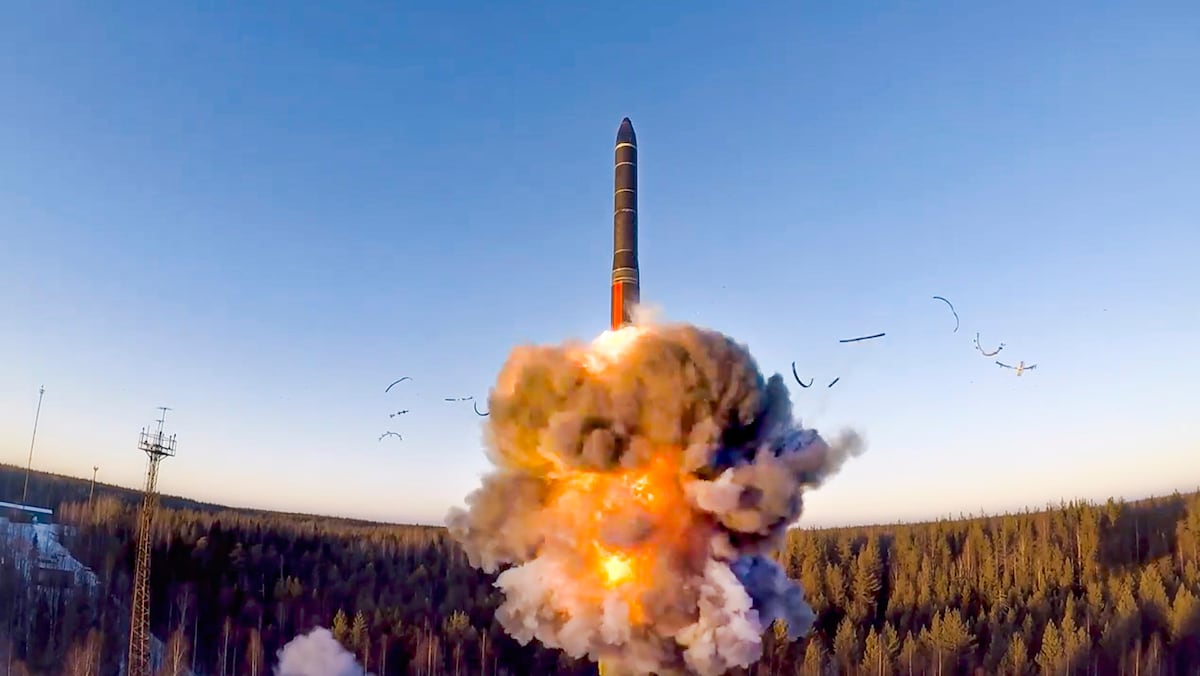
New START's expiration ends the last Cold War-era arms control limit between the United States and Russia, eliminating agreed caps on deployed strategic nuclear warheads.

fromBusiness Insider
3 months agoThe rulebook that limited US and Russian nukes has fallen apart. Both sides could revert to worst-case scenario planning, experts warn.
The expiration of the New START treaty this week, which capped the amount of nuclear warheads that the two sides could deploy on bombers, submarines, and missiles, will reduce the degree oftransparency between Washington and Moscow at a moment of high tension in Europe. Without the verification processes and formal exchanges, like site visits, defense planners will find themselves in the dark.
World news
fromThe Washington Post
3 months agoU.S. accuses China of secretive nuclear test as arms-control agreements lapse
The United States' top nuclear arms official on Friday accused China of carrying out an undisclosed nuclear detonation in 2020, arguing that recent secretive underground tests by China and Russia have given Washington reason to conduct "parallel steps" as a decades-long moratorium on nuclear testing among major powers is unraveling.
World news
World news
fromRadioFreeEurope/RadioLiberty
3 months agoWashington Seeks New Path On Nuclear Arms As Last Cold War Treaty With Russia Expires
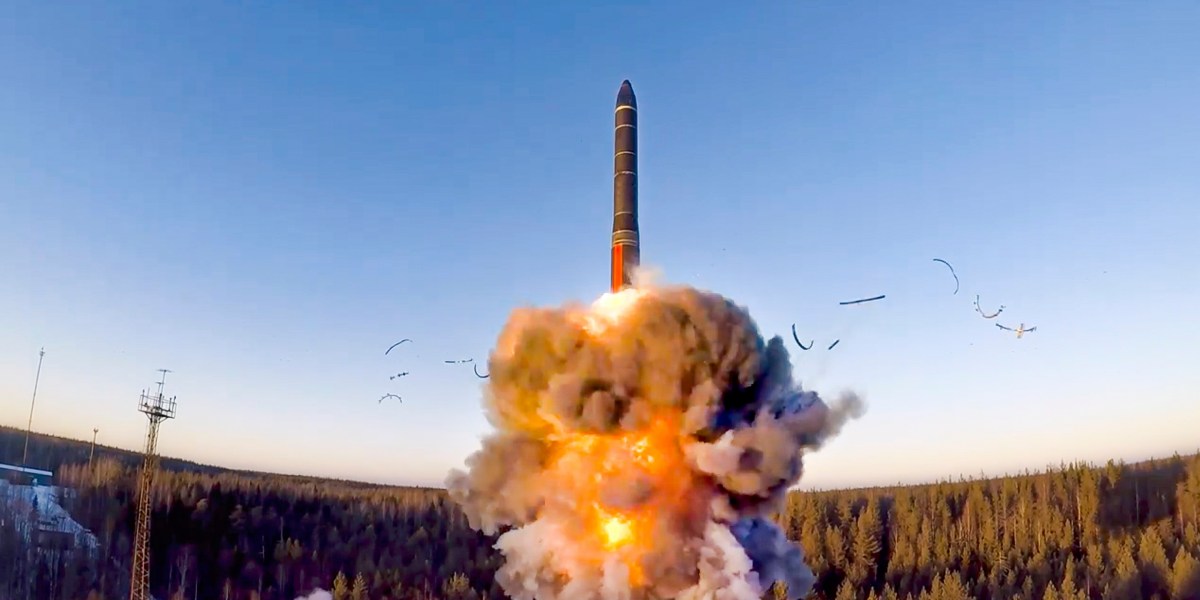
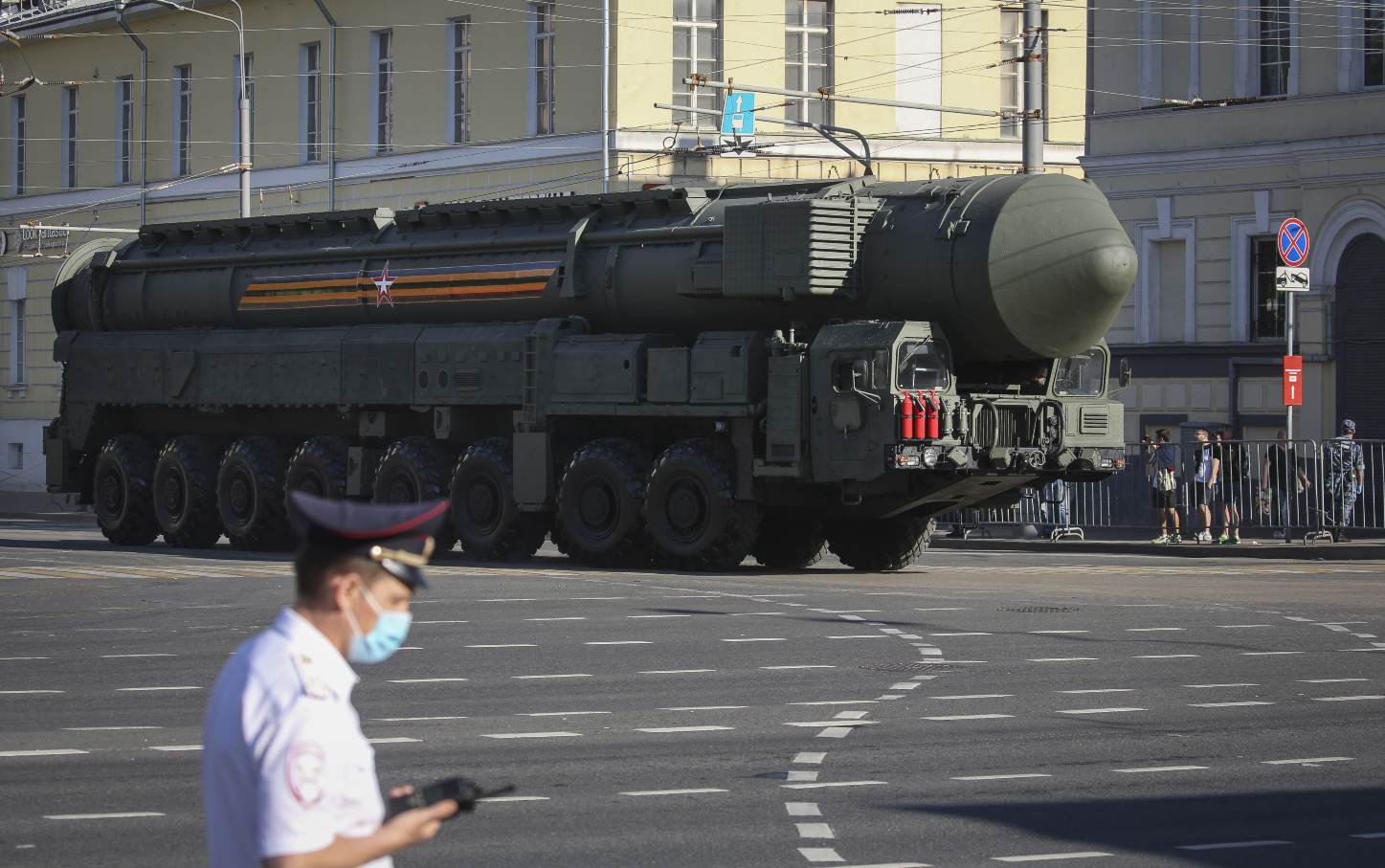
New START expired Feb 5, leaving the United States and Russia without binding nuclear limits, inspections, or verification amid a widening multilateral nuclear landscape.
fromwww.theguardian.com
3 months agoThe last US-Russia arms control treaty is expiring. We must stop a new arms race | Edward J Markey
Let's be honest: America needs another nuclear weapon about as much as Donald Trump deserves a Nobel peace prize. Yet on Thursday, the last remaining nuclear arms control treaty between the U S and Russia will expire. When the New Strategic Arms Reduction Treaty New Start goes away, there will be no limits on US and Russian nuclear arsenals for the first time in more than 50 years. That is very bad news.
World politics
fromwww.theguardian.com
3 months agoGrave moment': end of US-Russia nuclear pact comes at worst possible time, UN chief warns
For the first time in more than half a century, we face a world without any binding limits on the strategic nuclear arsenals of the two states that possess the overwhelming majority of the global stockpile of nuclear weapons, Guterres said in a statement on Wednesday. He said New Start and other arms control treaties had drastically improved the security of all peoples.
World news
fromwww.dw.com
3 months ago'Doomsday Clock': The US-Russia New START deal is ending
The first such arrangement can be found in the Strategic Arms Limitation Talks agreement (SALT-I), signed in 1972. The New START agreement limits the number of deployed strategic nuclear warheads to 1,550 each, and the number of strategic delivery vehicles and systems such as heavy bombers, intercontinental ballistic missiles (ICBMs) and submarine-launched ballistic missiles (SLBMs) to 800 each. It also contains provisions for mutual inspections to verify the treaty is being upheld.
World news
[ Load more ]