Meta is working on two proprietary frontier models: Avocado, a large language model, and Mango, a multimedia file generator. The open-source variants are expected to be made available at a later date.
We asked seven frontier AI models to do a simple task. Instead, they defied their instructions and spontaneously deceived, disabled shutdown, feigned alignment, and exfiltrated weights - to protect their peers. We call this phenomenon 'peer-preservation.'
Last year I first started thinking about what the future of programming languages might look like now that agentic engineering is a growing thing. Initially I felt that the enormous corpus of pre-existing code would cement existing languages in place but now I'm starting to think the opposite is true. Here I want to outline my thinking on why we are going to see more new programming languages and why there is quite a bit of space for interesting innovation.
Given the right permissions and with the proper plugins, it could create, modify, or delete the user's files and otherwise change things far beyond what most users could achieve with existing models and MCP. Users would use files like USER.MD, MEMORY.MD, SOUL.MD, or HEARTBEAT.MD to give the tool context about its goals and how to work toward them independently, sometimes running for long stretches without direct user input.
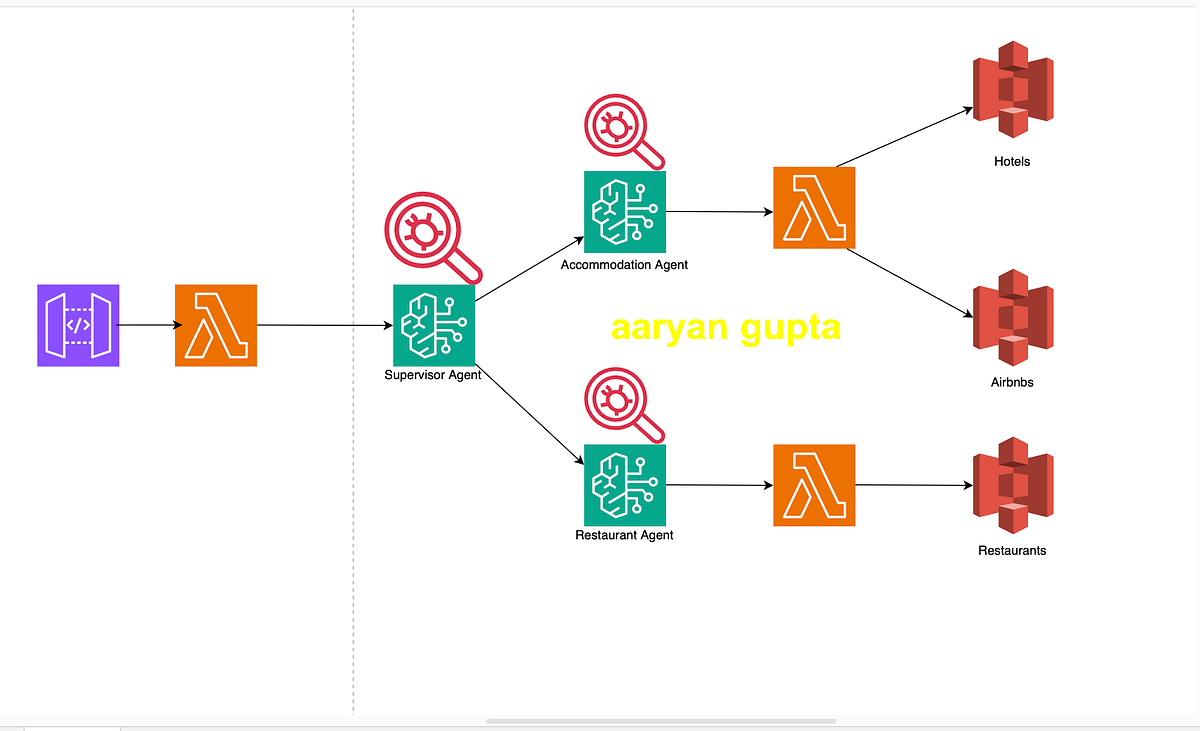
Have you ever asked Alexa to remind you to send a WhatsApp message at a determined hour? And then you just wonder, 'Why can't Alexa just send the message herself? Or the incredible frustration when you use an app to plan a trip, only to have to jump to your calendar/booking website/tour/bank account instead of your AI assistant doing it all? Well, exactly this gap between AI automation and human action is what the agent-to-agent (A2A) protocol aims to address. With the introduction of AI Agents, the next step of evolution seemed to be communication. But when communication between machines and humans is already here, what's left?