#meetings
#meetings
[ follow ]
#productivity #leadership #time-management #communication #collaboration #workplace-culture #remote-work
#leadership



fromFortune
4 months agoBusiness intelligence
Meetings are not work, says Southwest Airlines CEO-and he's taking action, by blocking his calendar every afternoon from Wednesday to Friday | Fortune
Excessive meetings replace focused leadership work; leaders must protect uninterrupted time to perform high-value tasks.
Remote teams
fromFortune
1 month agoMeetings are not work, says Southwest Airlines CEO-and he's taking action, by blocking his calendar every afternoon from Wednesday to Friday | Fortune
Business leaders, including Southwest Airlines CEO Bob Jordan, emphasize the need to reduce meetings to focus on actual work.


#productivity


Productivity
fromFast Company
3 months agoHere's how to design meetings around how human brains actually work, not how we wish they would
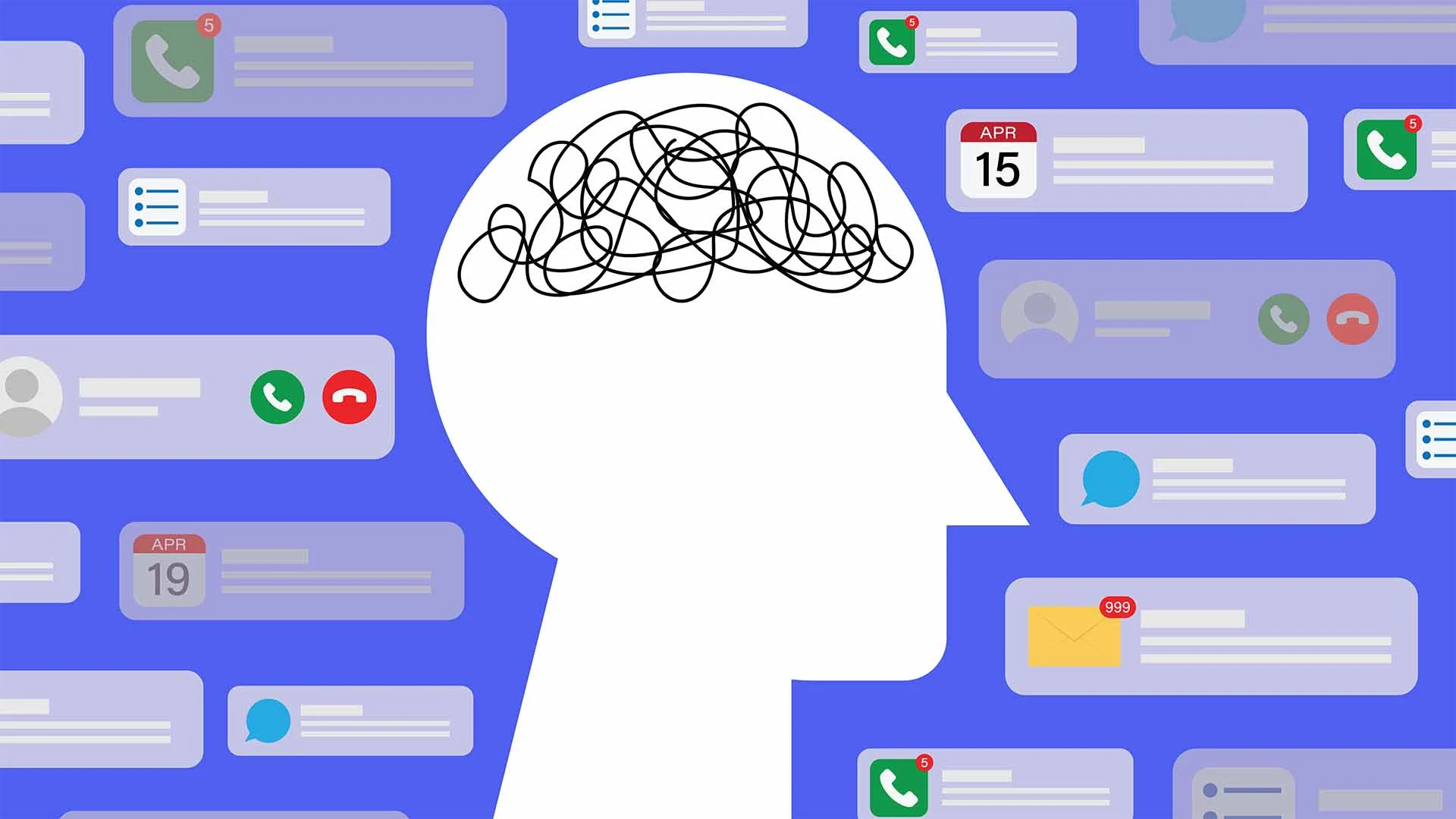
Schedule deliberate movement, thinking, and restorative breaks (Move. Think. Rest.) into meetings to align with cognitive cycles and boost creativity and productivity.




Artificial intelligence
fromFortune
3 months agoGoogle Meet exec on the knowledge engine hiding in your calendar: meetings become IP | Fortune
AI transforms meetings into durable organizational assets by capturing decisions, rationales, and interpersonal dynamics to make meeting knowledge available beyond the meeting.
fromFortune
5 months agoInstagram CEO calls staff back to the office 5 days a week to build a 'winning culture'-while canceling every recurring meeting | Fortune
Unnecessary meetings and endless PowerPoints need to be replaced with clear objectives and more prototypes, he wrote. One-on-one meetings should also be biweekly by default, he added, and employees should feel free to decline meetings that fall within their "focus blocks." "Every six months, we'll cancel all recurring meetings and only re-add the ones that are absolutely necessary," he wrote.
Business
fromFortune
6 months agoIBM's CEO disagrees with JPMorgan CEO Jamie Dimon's disdain for texting in meetings: 'Telling people they can't use their technology would be weird' | Fortune
At Fortune's Most Powerful Women summit last month, he said he expects full attention from everyone in the room. "If you have an iPad in front of me and it looks like you're reading your email or getting notifications, I tell you to close the damn thing," he told Fortune Editor-in-Chief Alyson Shontell. It's disrespectful.
Business

fromPsychology Today
8 months agoHow Corporate American Culture Fails People with Autism
There's little doubt that autistic people are the most unemployed, underpaid, and overeducated disability population. While no research suggests that autistic people are poor workers, there is research that shines a light on how well their bottom-up processing and "noisy brains" make them particularly suited for plenty of productive work. Autistic people may face serious challenges in the work world because of their sensitivity to social justice, their lack of awareness of hierarchy.
Mental health
fromBusiness Insider
9 months agoRaising 4 kids can be hectic. Our household couldn't function without our weekly family meetings.
Weekly family meetings have eliminated disorganization and last-minute requests. These hourlong sessions allow each member to share their plans and synchronize schedules effectively.
Parenting
Startup companies
fromBusiness Insider
11 months agoSpotify executives banned a common phrase from their weekly 3-hour meeting
Spotify prioritizes real-time discussions among executives to resolve issues promptly.
A strict rule prevents use of 'offline' or 'later' to ensure accountability in conversations.
[ Load more ]