#lead-contamination
#lead-contamination
[ follow ]
#food-safety #public-health #heavy-metals #water-safety #protein-powder #oakland-schools #protein-powders

fromABC7 Los Angeles
1 month agoDinosaur-shaped chicken nuggets sold at Walmart could contain lead, USDA says
The USDA has issued a health alert for dinosaur-shaped chicken nuggets sold at Walmart, as certain packages may contain lead. Lead is especially harmful to pregnant women, infants and young children.
SF food


Environment
fromYanko Design - Modern Industrial Design News
1 month ago5 Best Waterdrop Filter Systems for Spring 2026, From Renters to Full Family Kitchens - Yanko Design
Aging infrastructure and contaminants affect tap water quality, necessitating tailored filtration solutions for different households.
fromThe Oaklandside
2 months agoOaklandside's Ashley McBride, Callie Rhoades receive First Amendment award
This year's winners truly embody the best of journalism and free expression. Their courage and tenacity uncovered critical stories that demanded to be told. Last year saw relentless attacks on journalists and the media from our government and others, but these winners show good reason for optimism about the future of free expression and a free press.
East Bay (California)
fromLos Angeles Times
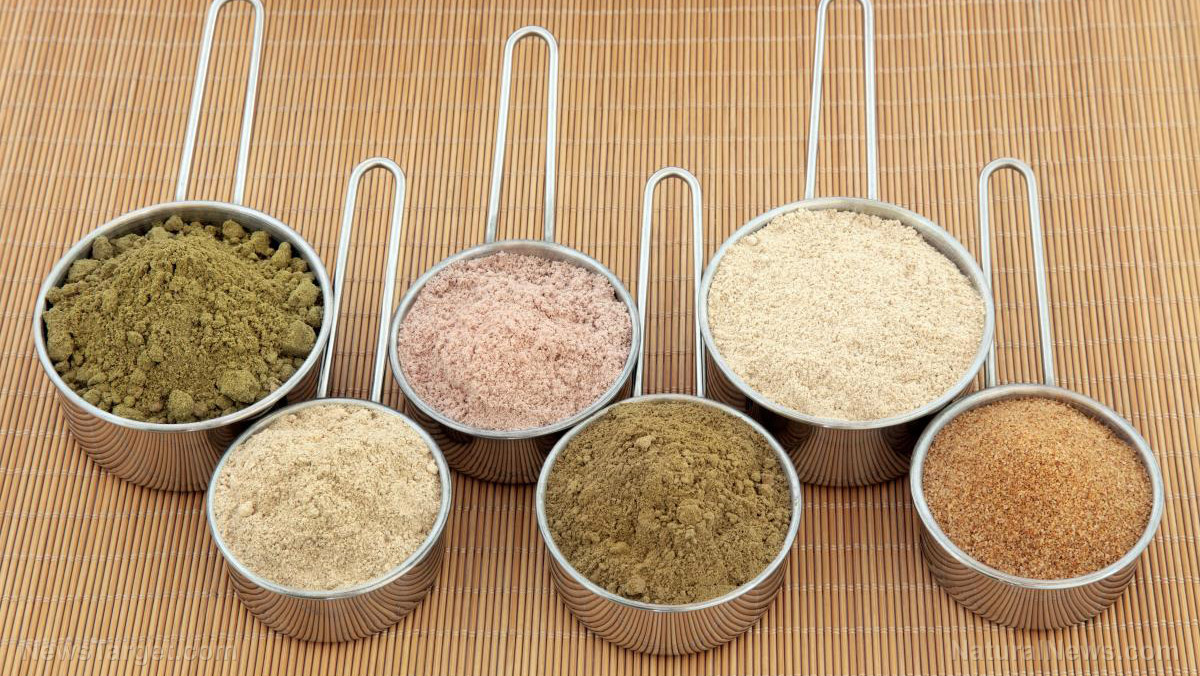
5 months agoCheck your spice rack: Cinnamon recalled for possible lead contamination in California
A quintessential holiday spice made by a single manufacturer has been recalled by the U.S. Food and Drug Administration for possible contamination. The FDA recalled Lucky Foods brand cinnamon powder on Tuesday after an analysis conducted by the New York State Department of Agriculture and Markets found high levels of lead. It's unclear how the product became contaminated. Lead may be present in food products as a result of the environment in which they're grown or processed.
US news

fromLos Angeles Times
6 months ago'Reckless' scrap yard with history of endangering a Watts high school is shuttered
Atlas, along with its father-and-son owners Gary and Matthew Weisenberg, were arraigned two years ago on numerous criminal charges in connection with illegal dumping and handling of hazardous waste from July 2020 and August 2022. A little more than a year later, a compressed gas canister ignited at the scrap yard, causing a fiery explosion on the first day of school, after which the district attorney's office filed additional charges against the defendants.
Environment
fromTasting Table
7 months agoWhy Ground Cinnamon Sometimes Contains A Dangerous Toxin - Tasting Table
Cinnamon, the star of pillowy cinnamon rolls and anything apple-based, seems like an innocent spice, but it can potentially be lethal. It has a distinct bold flavor that's both hard to explain and to replicate, but there's one ingredient that has nothing to do with taste - lead. Apparently some ground cinnamon products in the U.S. have been found to contain the heavy metal.
Public health
Public health
fromFuturism
7 months agoTech Bros Have Been Accidentally Poisoning Themselves With Severe Brain Toxins for Years
Popular meal-replacement products like Huel Black Edition contain lead and cadmium above recommended limits, posing cognitive, renal, cardiovascular, and reproductive health risks to adults.
fromBon Appetit
7 months agoYour Protein Powder Might Have Lead in It
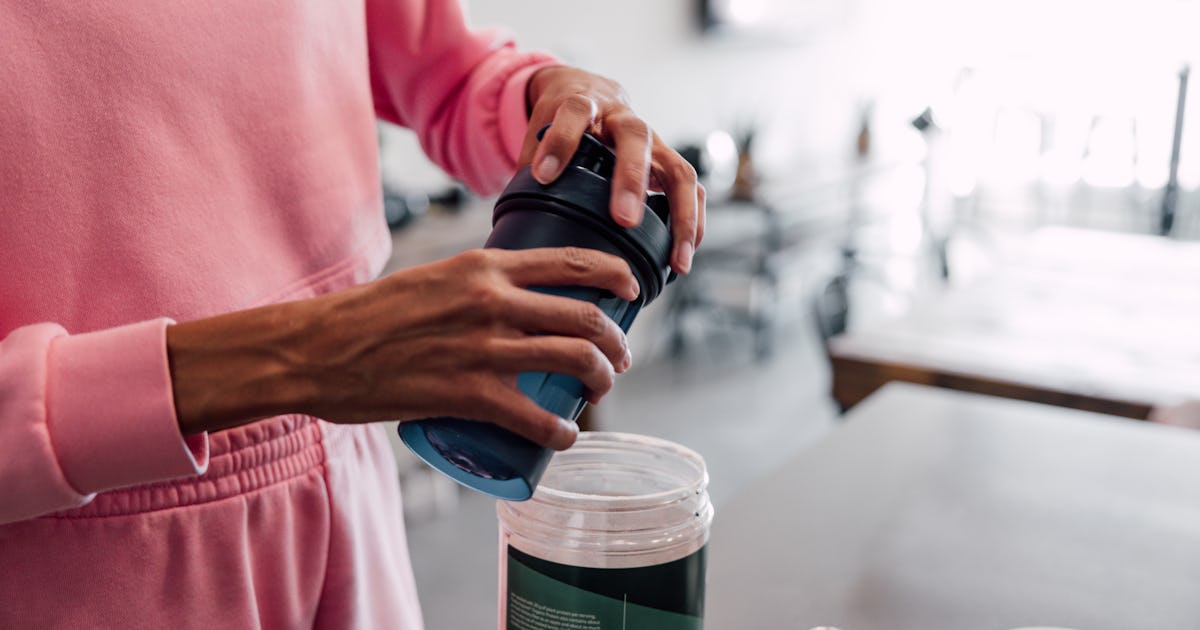
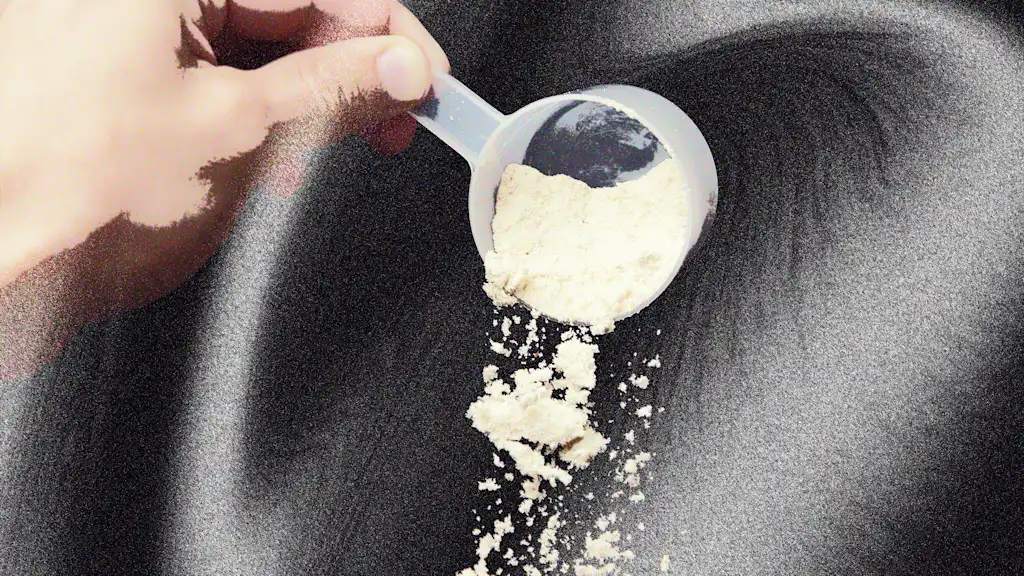
Welcome to Deep Dish, a weekly roundup of food and entertainment news. Last week we discussed Asahi's cyber attack and beer shortage. A mere two weeks ago, Sam and I downed every flavor of Starbucks' new protein-laden cold foam in the interest of on-the-ground journalism. Apparently, there's a non-negligible chance that, in doing so, we may have ingested lead-per a recent Consumer Reports report, which found that many protein powders and shakes contain the toxic metal.
Food & drink



fromTasting Table
8 months agoThese Pots And Pans Contain Dangerous Lead: What The FDA Says To Do If They're In Your Kitchen - Tasting Table
The FDA has been cracking down on lead contaminants in food, and back in December of 2024, the FDA issued a letter to retailers and distributors selling cookware in the United States, stating that some products being imported into the country were at risk of leaching lead. The agency specifically said that cookware made from alloys called Hindalium/Hindolium or Indalium/Indolium had been shown to leach lead in tests it had conducted.
Public health
[ Load more ]