"They didn't even try to fly away. They just feebly made noise," a woman told the Santa Barbara Independent on Saturday after spotting over two dozen dead or dying cormorants near Goleta Beach. "A few were on their stomachs, wings spread [and] gasping for breath.... Heartbreaking."
The fact that the Burns Paiute and Bannock Shoshone tribes are still battling our government and politicians for protection of the sagebrush steppe habitat and our native sage grouse isn't spiritually uplifting.
When California became a state in 1850, officials signed 18 treaties setting aside millions of acres for tribal reservations. Congress killed the deals in secret after pressure from state leaders. Many tribes had already moved, trusting the promises. Now California wants to make good.
The Colorado River is an interconnected system, sustained by Rocky Mountain snowpack, rainfall and groundwater. It is fragile, and under increasing stress. Two and a half decades into this century, the river that built the modern West has 20% less water flowing through it than it did on average in the last century. As heat and drought intensify, so do the stakes: Failure to recognize the severity of changing conditions, managing the river in parts without considering needs of the whole and inadequate planning for long-term shortages put the future of all the basin at risk.
The largest share, $235 million, will be used to rehabilitate the Delta-Mendota Canal, which carries water to farmlands. An additional $200 million will help continue repairs on the Friant-Kern Canal, another key conduit for water in the valley. Sinking ground, an effect of heavy groundwater pumping, has damaged segments of the Friant-Kern Canal and reduced its capacity.
Western water law is based on the prior appropriation doctrine, which gives the first entity to make "beneficial use" of water the right to keep on using that amount, even if that means that upstream "junior" users' spigots will get shut off. By the early 1900s, a rapidly growing California was enthusiastically diverting the Colorado River, with huge irrigation districts gobbling up the senior water rights.
The proposed 1.5 million acre-foot Sites Reservoir would store water from the Sacramento River and distribute it during droughts to several parts of California, including the Sacramento and San Joaquin valleys, Southern California and the Bay Area. Stretching about 4 miles across and 13 miles north to south, it's meant to provide water to approximately 24 million people, and it would mark California's first major reservoir project since 1979, when New Melones Lake was completed.
At the center of the dispute are eight dams and reservoirs on the Columbia and Snake Rivers in the Pacific north-west that have created devastating obstacles for salmon and steelhead unable to breach their deadly turbines or navigate through the large, warm, artificial pools.
Wildlife populations are in decline. Recreation sites are crowded and often underfunded. Wildfires are larger, more destructive and harder to control. Climate change is reshaping natural systems, from ocean fisheries to mountain snowpacks, faster than institutions can respond. At the same time, communities are being asked to host new energy projects, transmission lines and mineral development - often without clear processes, adequate resources or trust that decisions are being made in the public interest.
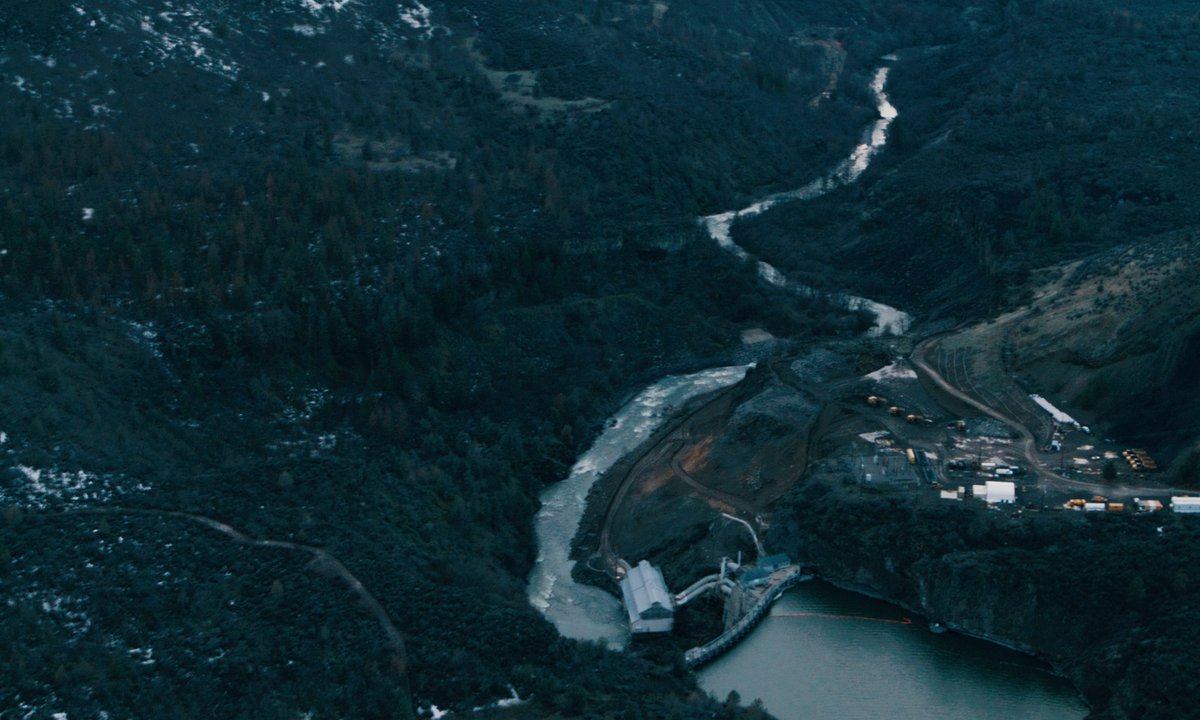
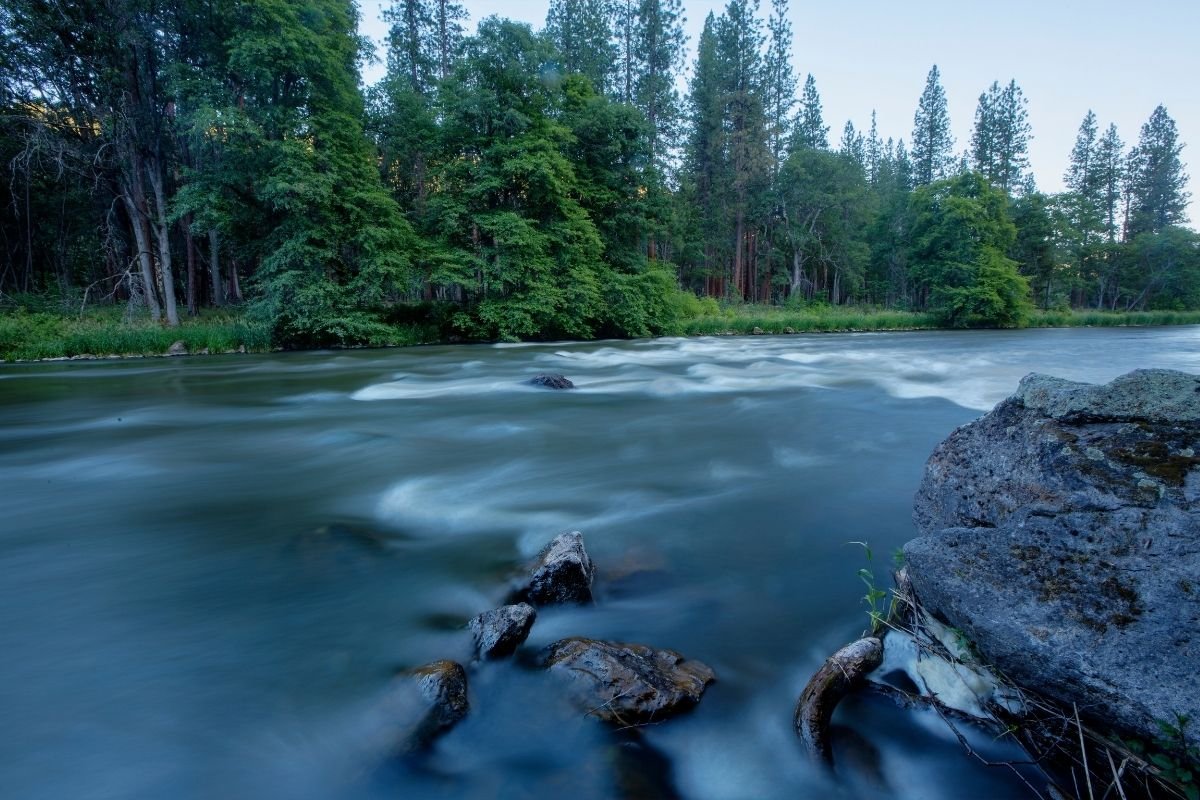
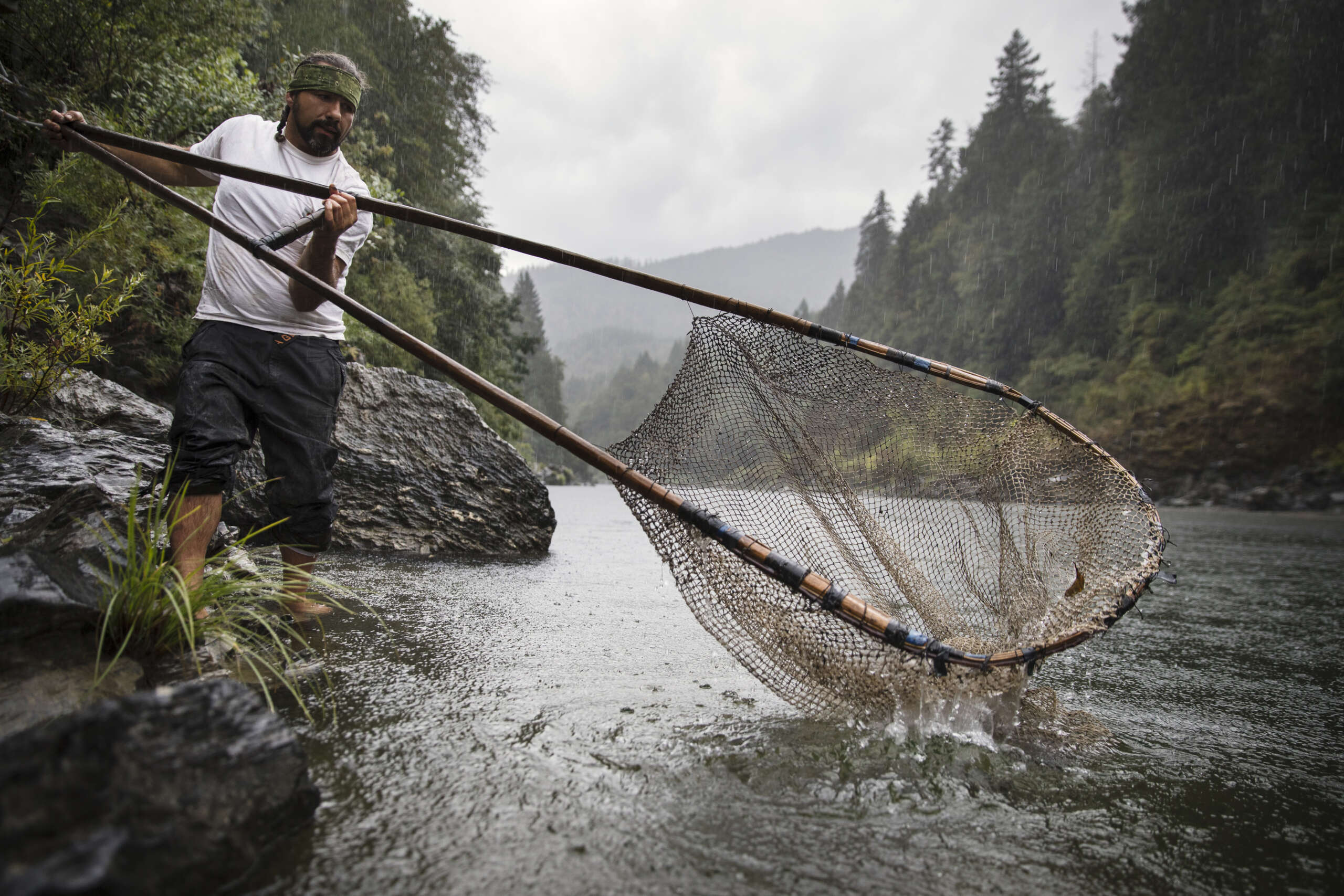
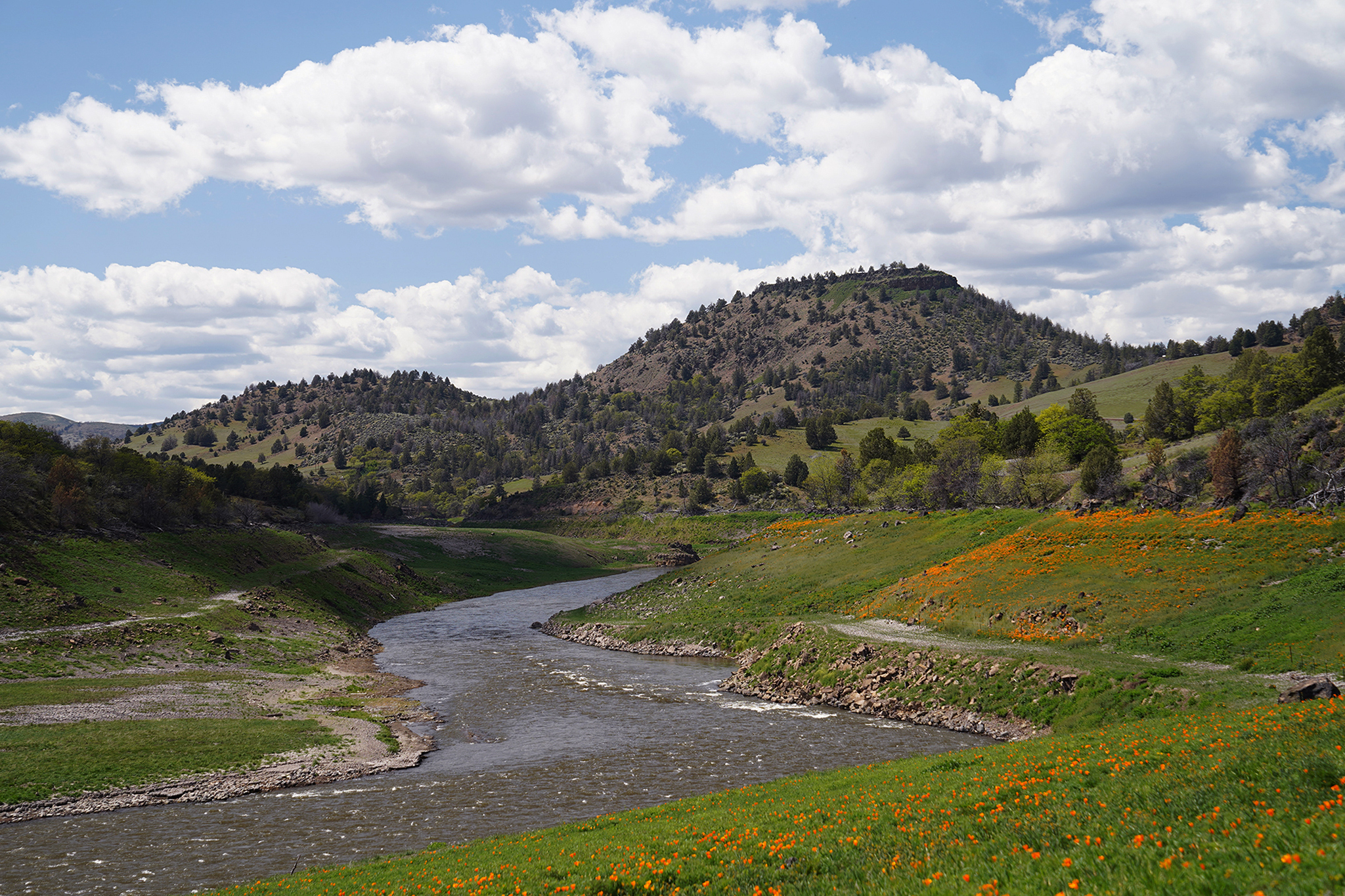
The Klamath Indigenous Land Trust recently purchased 10,000 acres along the Klamath River, signifying one of the largest Indigenous-led private land purchases in U.S. history as salmon continue to make their historic return to the newly revived watershed. The expansive property, located mostly in California and extending into Oregon, includes the sites of reservoirs that existed up until the removal of four of the Klamath's dams in 2023 and 2024.
The question of how to protect fish and the ecological health of rivers that feed California's largest estuary is generating heated debate in a series of hearings in Sacramento, as state officials try to gain support for a plan that has been years in the making. "I am passionate that this is the pathway to recover fish," said state Natural Resources Secretary Wade Crowfoot. "This is the paradigm we need: collaborative, adaptive management versus conflict and litigation."
Developers seeking to build dams, mines, data centers or pipelines must navigate a permitting process to do so. One requirement in the process is obtaining certification from a tribe or state confirming that the project meets federal water quality standards. Currently, tribes and states conduct holistic reviews of projects, known as " activity as a whole ", evaluating all potential impacts on water quality, including spill risks, threats to cultural resources, and impacts on wildlife. This approach was established under the Biden administration in 2023.
The exact volume of the spill remains unknown as crews continue to monitor the site. Tiffen noted that a final estimate will not be available until reports are submitted to state regulators, adding that the massive volume of stormwater currently in the river makes testing for pathogens more difficult. "It's complicated by the amount of storm water and how that would affect testing regardless of a spill," Tiffen said. "Because it tends to muddy the water, so to speak."