#iranian-cinema
#iranian-cinema
[ follow ]

fromThe New Yorker
2 months agoWhat Mehdi Mahmoudian Saw Inside the Iranian Prison System
Mahmoudian decided to help his torturer. He invited the man into his shop, offered him tea, and recruited a co-worker to fix his car. Hours later, when the man was preparing to leave, Mahmoudian reintroduced himself as his former prisoner. Stunned, the man drove away without responding. But he returned to the print shop the next day and asked for Mahmoudian's forgiveness.
Independent films



Film
fromwww.theguardian.com
4 months agoThe most culturally Iranian of all Iranians died so far from Iran': the towering legacy of Bahram Beyzaie
Bahram Beyzaie's cinema fuses myth, folklore, symbolism and classical Persian literature into dreamlike rituals while his work faced censorship and produced extensive writing on performance.
fromRadioFreeEurope/RadioLiberty
4 months agoIranian Actress Taraneh Alidoosti Praised For Defiance After New Documentary
She appears on camera without the compulsory headscarf for the first time, declaring firmly that she will "under no circumstances" act while wearing a headscarf again.
Social justice
fromwww.anothermag.com
5 months agoFilms to See This December
There are emotional strands that feel laboured it doesn't help that the snippets we hear of Gustav's script sound obvious and tired but Sentimental Value is so frequently and convincingly moving in how it zeroes in on the gaps in affection and acceptance that neglect creates within a family. If art wants to be redemptive, it needs to make honest and sincere connections between its players. It's a familiar maxim that Trier makes lively again: art is not just excavation, but rather renewal.
Film
from48 hills
6 months agoWhat we saw at the NY Film Fest: Ficks' Picks of feature films - 48 hills
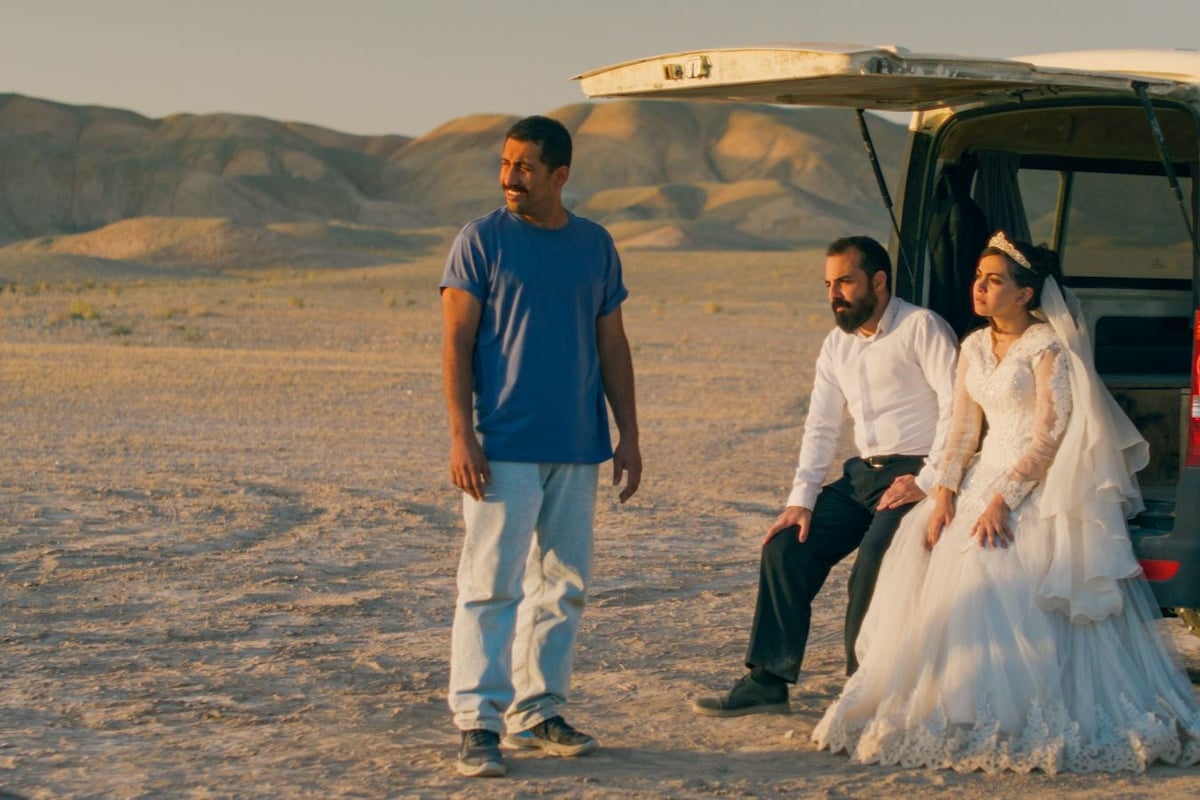
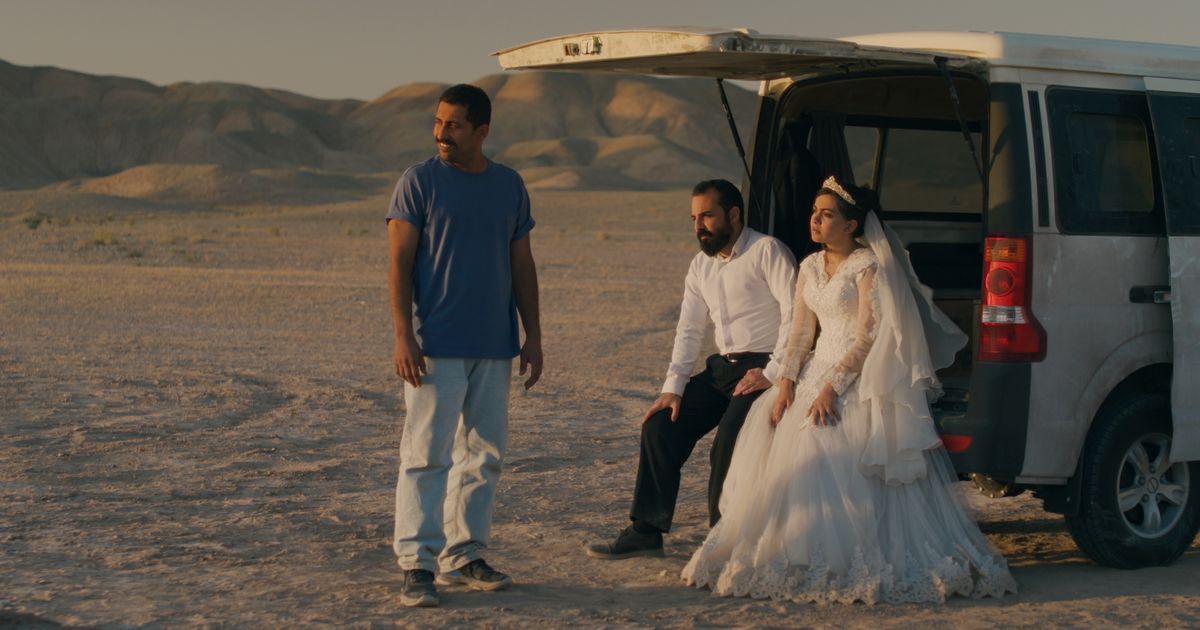
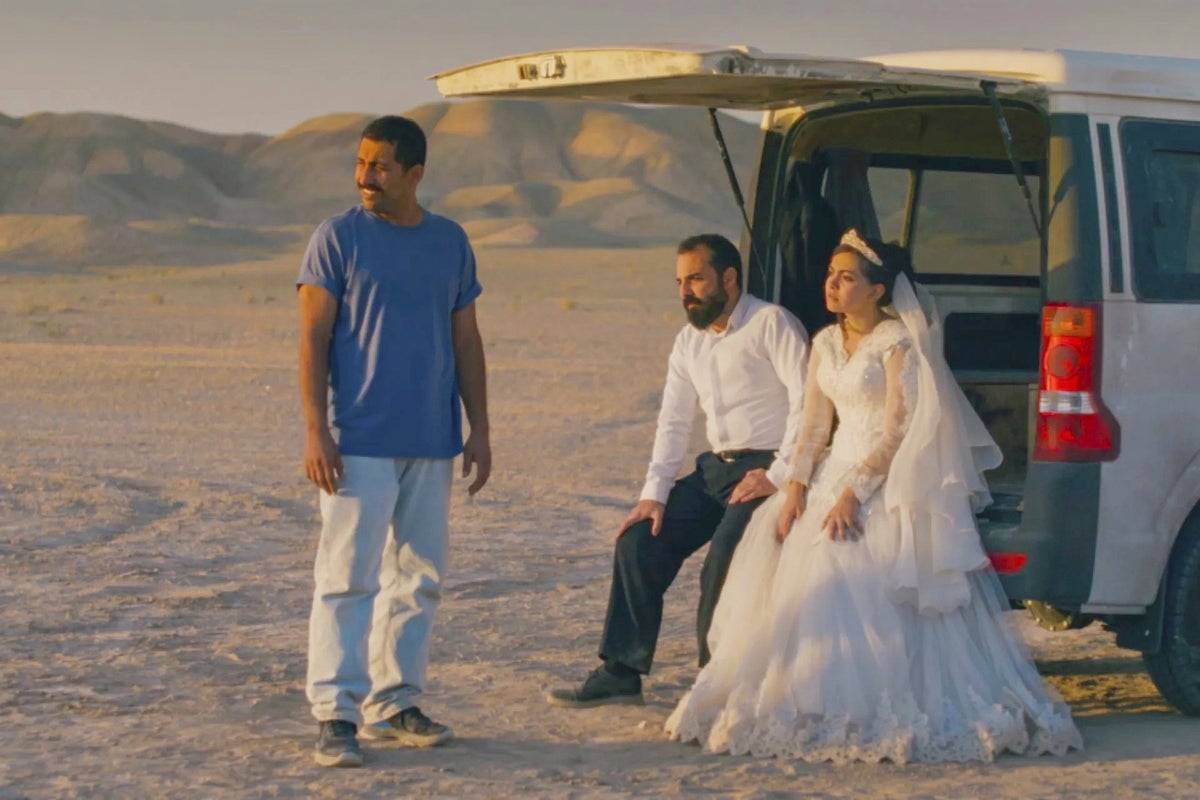
Winner of the top prize (Palme d'Or) at this year's 2025 Cannes Film Festival, Panahi's It Was Just an Accidentis a gripping thriller that follows a devoted son and mechanic named Vahid (devastatingly performed by Vahid Mobasseri) who suddenly believes that he may or may not have randomly reencountered the government intelligence officer who had brutally tortured him years prior. What ensues is an unstoppable (and borderline overwhelming) spiral that sends Vahid to consult numerous other victims, exploring the dangers of "unresolved devastation and the dangerous thirst for relentless revenge."
Film
fromRoger Ebert
6 months agoNothing Closes the Doors to Creating: Jafar Pahani on "It Was Just an Accident" | Interviews | Roger Ebert
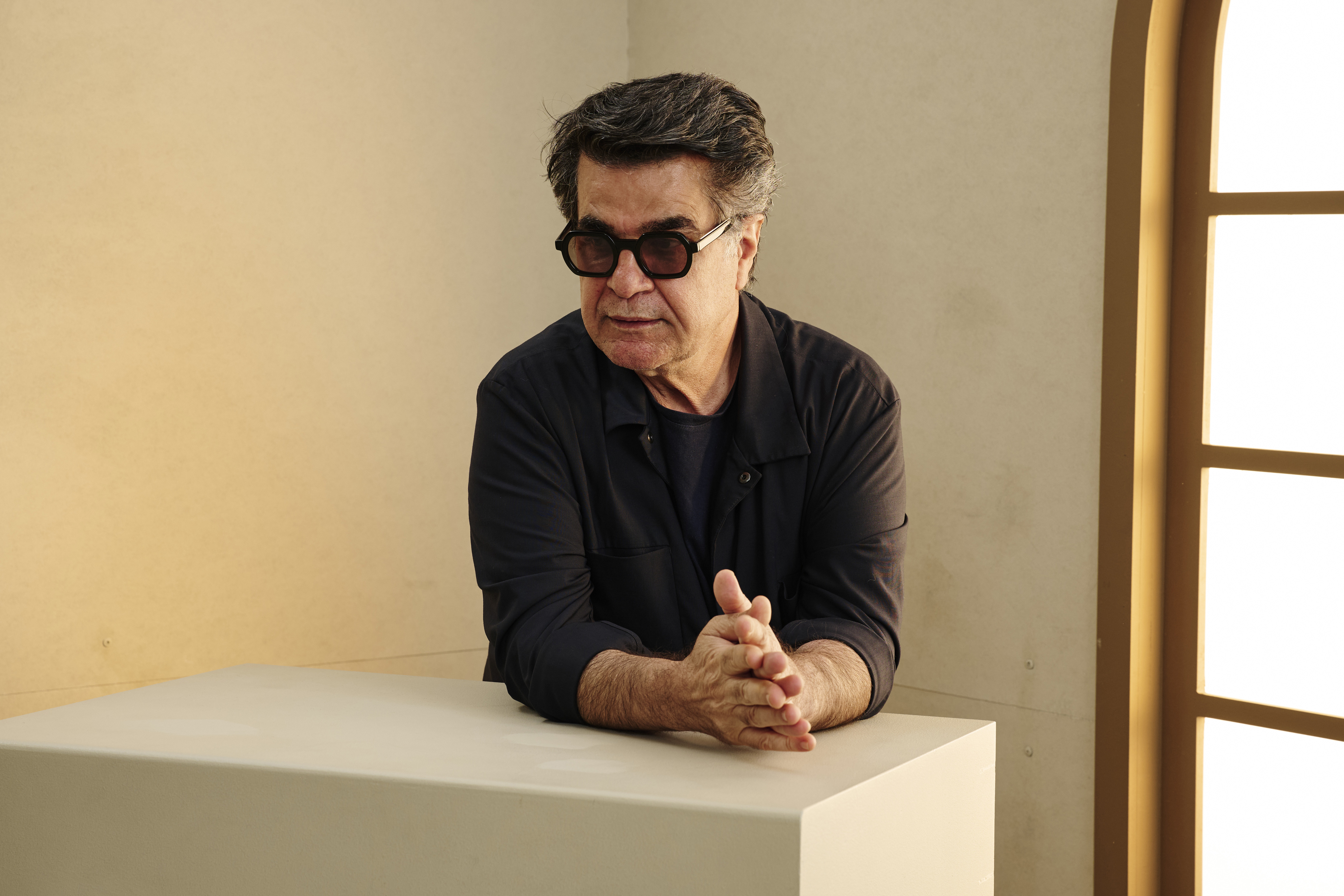
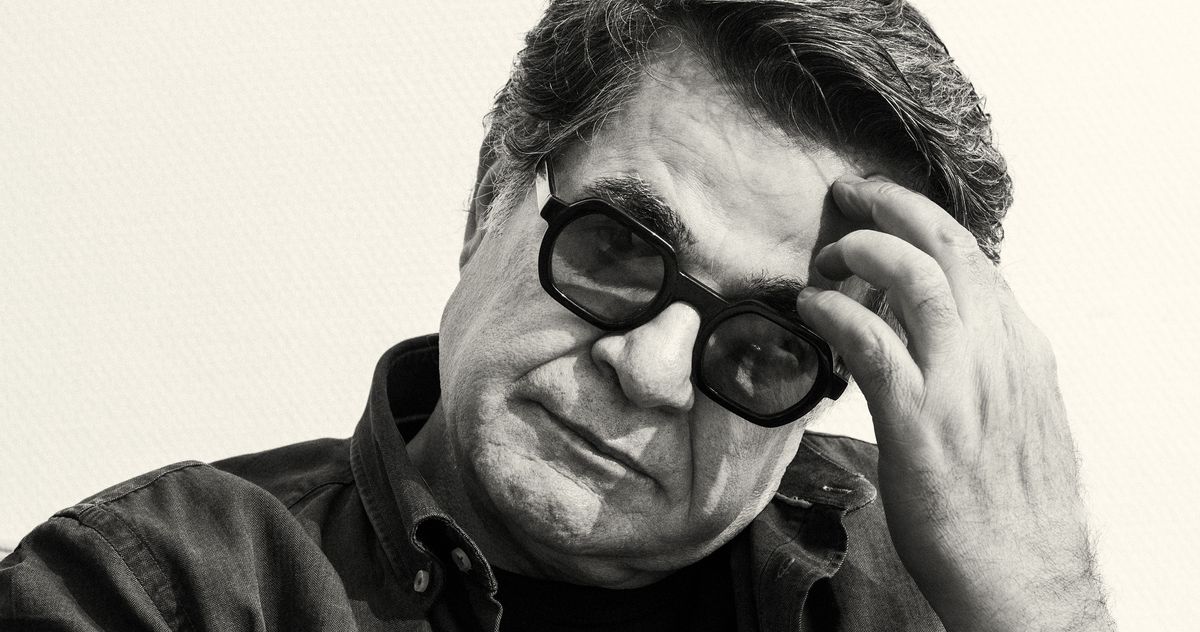
Watching " It Was Just an Accident" feels like watching director Jafar Panahi 's tortured yet graceful inner monologue around the merits of forgiveness. The Iranian filmmaker's Palme d'Or-winning film, like his other works, was filmed without official permission from the Iranian government-a tactic that enables him to critique the authoritarian regime creatively and without censorship. It hasn't been without consequences; Panahi was first arrested in 2010, then released, and subsequently placed under house arrest.
Film
Film
fromRoger Ebert
10 months ago59th Karlovy Vary International Film Festival to Honor Stellan Skarsgard, Vicky Krieps, Dakota Johnson and Peter Sarsgaard | Features | Roger Ebert
KVIFF will honor notable actors while showcasing important films, including the Iranian film "Bidad" that tackles women's rights.
Film
fromOregon ArtsWatch * Arts & Culture News
10 months agoFilmWatch Weekly: Iranian sports drama 'Tatami,' mother-daughter drama 'Hot Milk,' and more * Oregon ArtsWatch
The film 'Tatami' explores the unique challenges faced by Iranian women athletes in judo, highlighted by powerful visual storytelling.
Independent films
fromIndieWire
11 months agoHow Iranian Underground Cinema and Post-Revolution Persian Rap Could Fuse to Shape the Country's Filmmaking Future
Iran's New Wave filmmakers emerged in the 1960s, rejecting mainstream cinema for authentic portrayals of social realities, but faced censorship post-revolution.
fromIndieWire
11 months ago'It Was Just an Accident' Review: Five Iranian Dissidents Debate Killing Their Former Torturer in Jafar Panahi's Breathless Moral Thriller
Jafar Panahi's new film reflects his personal prison experiences, highlighting the moral struggles of a man confronted with his traumatic past through a kidnapped torturer.
Independent films
[ Load more ]