SF politics
from48 hills
1 week agoTax on big business for housing has been a huge success - 48 hills
Proposition C has successfully funded affordable housing and reduced homelessness in the city.
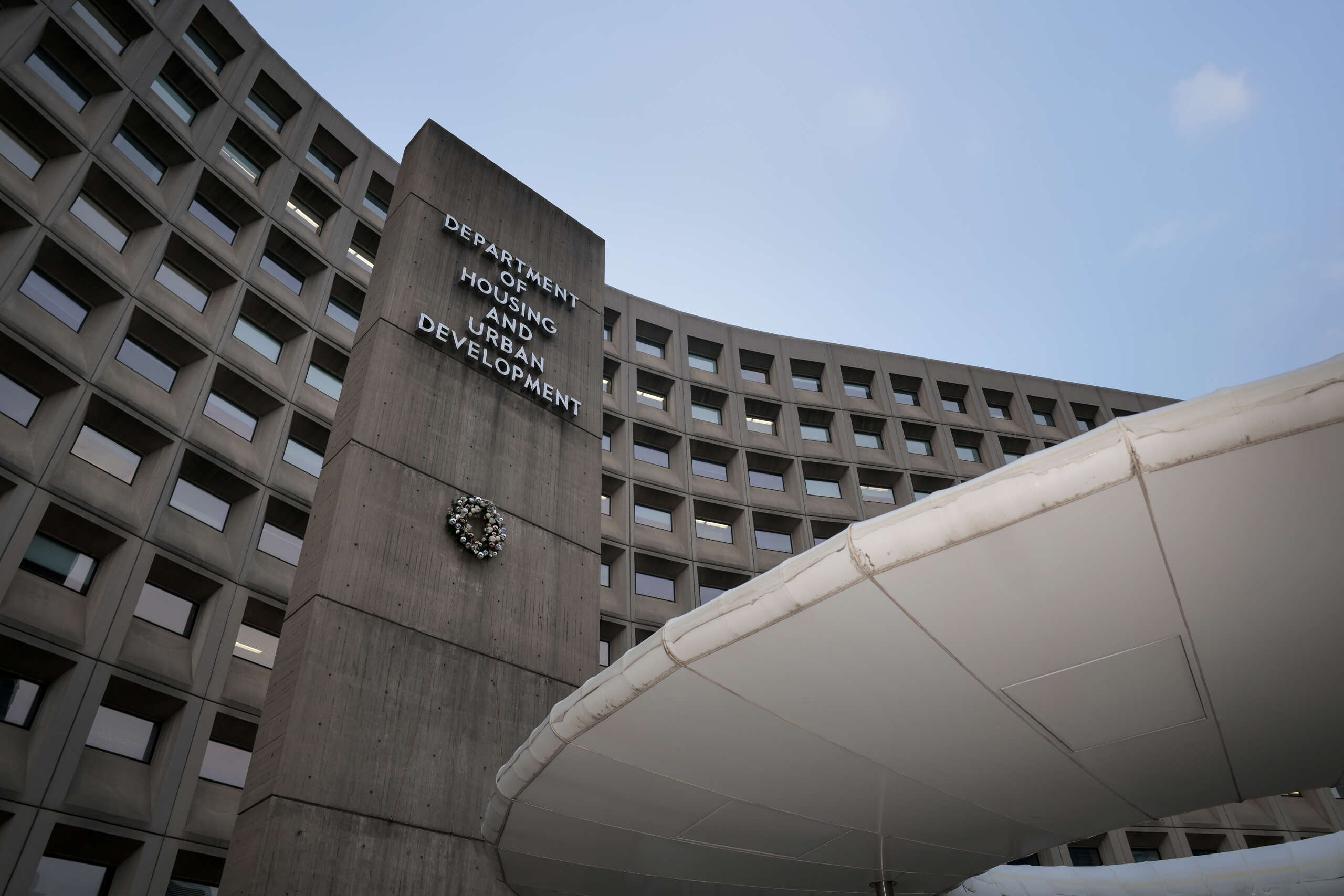
We write in response to the Department of Housing and Urban Development's (HUD) reckless and disturbing policy change and funding announcement that could push over 170,000 formerly homeless individuals back on the streets and exacerbate our nation's homelessness crisis, the lawmakers wrote. HUD issued the funding notice Nov. 13. Under the changes, allocations for permanent supportive housing would drop from 86% of CoC funds to 30%.
The idea is simple, and supported by decades of research and data: It's almost impossible to address addiction issues if you're living on the streets. Requiring total sobriety as a condition of housing just makes the homeless crisis worse. As Dorsey freely admits, many people facing addiction issues relapse, and require multiple efforts to reach sobriety. That's much easier to handle when you have a roof over your head.
"If you know you need to get off of and away from drugs, you shouldn't be forced into housing where drug use is allowed and where recovery is not supported," he said. "Some folks won't go into housing because they know that it actually is dangerous for them because they're still experiencing an addiction. ... This isn't about having zero tolerance to drug use. It's about having environments where recovery is explicitly supported, and that is the goal."