Renovation
fromDesign Milk
1 day agoCircularity Cements Memory in Cast Concrete
True ingenuity in architecture lies in negotiation with the past rather than erasure, as demonstrated by the Trace project in London.
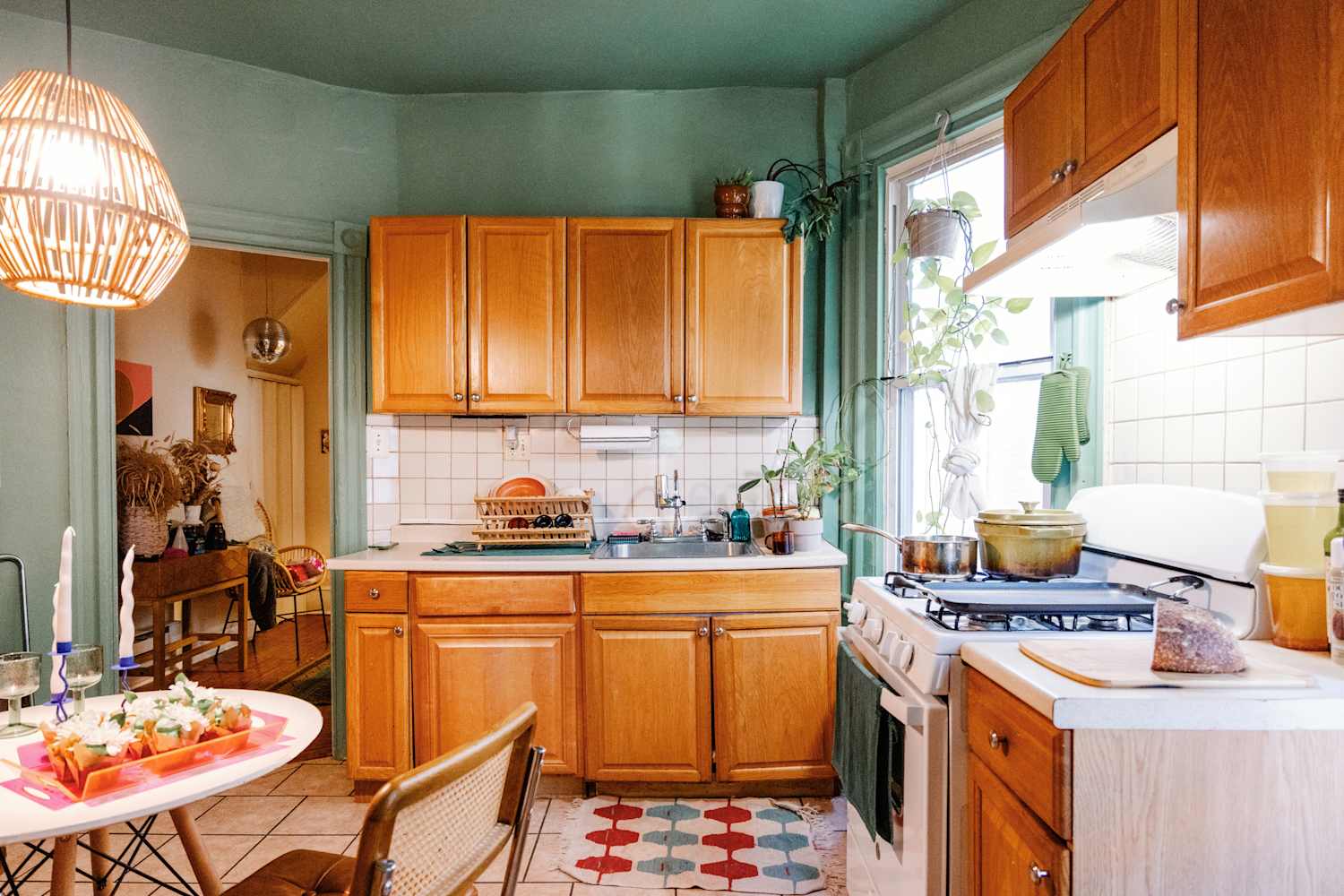
When we saw this home - with its east-west exposures and windows that could be seen on both sides - we were immediately sold. It was the third house we looked at, and we were so lucky the owner accepted our offer. It was a very competitive moment for home sales in the neighborhood, and the fact we were able to make it happen felt like a dream.
"San Jose was an agricultural wonderland. They called it the Valley of Heart's Delight, and most of it has been paved over and turned into high tech now. But this is a connection to our past."
Carl Cokine Anthony redefined the relationship between racial equity, regionalism, and the environment, establishing a foundation for future environmental justice initiatives.
The Harmony measures 34 feet long and 8.5 feet wide, making it road-legal across North America without a special permit. Inside, the floor plan stretches to 423 square feet, thoughtfully designed for family living.
A Gothic cathedral can take centuries to complete. A world exposition pavilion may stand for six months. A ritual structure in Kolkata rises and vanishes within five days. Yet each draws pilgrimage, shapes collective memory, and reorganizes urban life. If heritage has long been defined by what endures, architecture repeatedly shows that cultural authority can also belong to what gathers people.
Rather than representing a simple return to the past, this renewed interest reflects a broader reconsideration of how architecture engages with materials, local resources, and environmental conditions.
As the weights touch, they get a bit musical and there's a kind of harmonic ring in your wall. It's like the house is alive. But with soulful age come other sounds: rattles, wind whistling through gaps and a homeowner's curses because the blasted contraptions won't open and close properly.
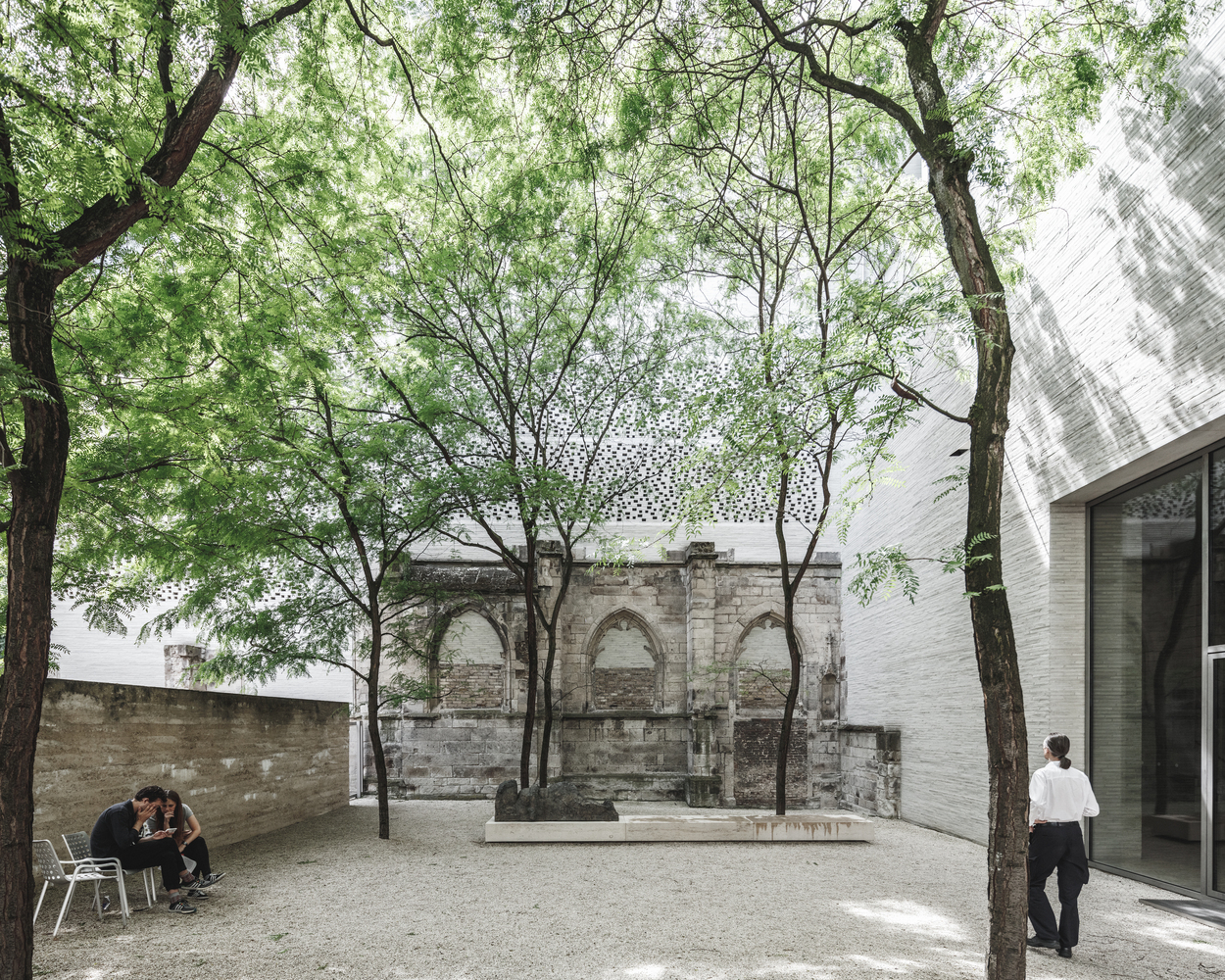
Heritage sites constitute complex spatial archives in which architecture, history, and collective memory converge. They encompass a wide spectrum of contexts-from archaeological remains, ancient and historic townscapes, UNESCO-listed landscapes, to early modern civic structures and industrial infrastructures. Yet these environments confront challenges: climate change, urban transformation, disaster, shifting social needs, and the gradual erosion of material fabric. Revitalization and restoration projects respond to these conditions by positioning architectural and spatial practice as an active mediator between preservation and the contemporary topologies.