OMG science
fromMail Online
8 hours agoScientists discover fungal spore that can survive trip to Mars
Some fungal strains, like Aspergillus calidoustus, can survive harsh conditions of space travel and potentially contaminate Mars.
Quiet and understated, the show presents the work of 17 artists, who are either represented by the gallery or part of its wider network. In the exhibition text, the smallness in question is discussed not on the level of "scale or spectacle," but rather speaks to the idea of "concentration over expansion." The intention of the exhibition, positioned as a "living index," very much depends on where we place our attention.
I can hear the distant, angry growl of a leaf blower, carried on the wind, nature's leaf blower. Otherwise, it's quiet here in the garden, sheltered by a high hedge, raking fallen leaves, one of autumn's contemplative tasks, reviving memories of watching for first signs of their unfurling in spring, and sitting in their shade during summer's heatwaves. An ever-changing palette of colours settles on the path: today, burnt orange and cinnamon shades of Amelanchier, crimson spindle, yellow hawthorn, scarlet cherry foliage.
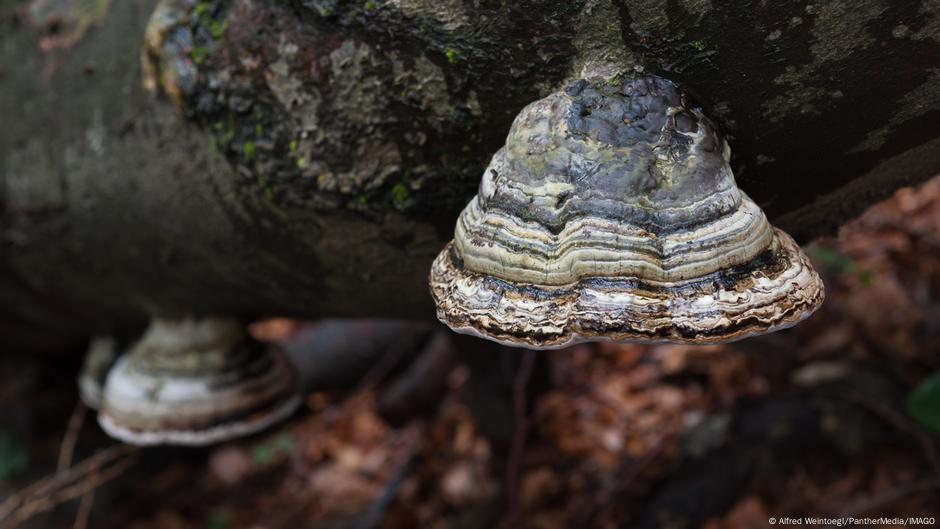
It always surprises me where mushrooms appear. Out of the side of a decaying log. From the dark soil where last season's leaves have been left to rot. Sometimes, even bursting through dung left behind on a forest path. Something once considered waste - lifeless, discarded, and forgotten - suddenly becomes an opportunity for new growth. In this way, mushrooms make me think about what happens when relationships fail.
What you are seeing are the fruiting bodies of fungi that were already present in the compost they're very common and usually nothing to panic about. These fungi thrive in moist, organic-rich soil, and mushrooms appear when conditions are just right, often after a period of regular watering and warm weather. While not harmful to your plant, they are toxic if eaten, so keep them out of reach of children and pets.
Yes, this big map depicts the realm of the humble mushroom, which "shares the forest with the plants and the animals, but it's not a plant, and it's not an animal." And the mushroom itself, like we're used to seeing sprouting beneath our feet, is only a small part of the organism: the rest "lives hidden, out of sight, below ground. Beneath every mushroom is a fungal network of hair-like strands called the mycelium," which begins as a spore.
The NASA team's innovative approach focuses on using mycelium to grow habitats on the Moon or Mars, reducing waste and simplifying shelter setup for astronauts.