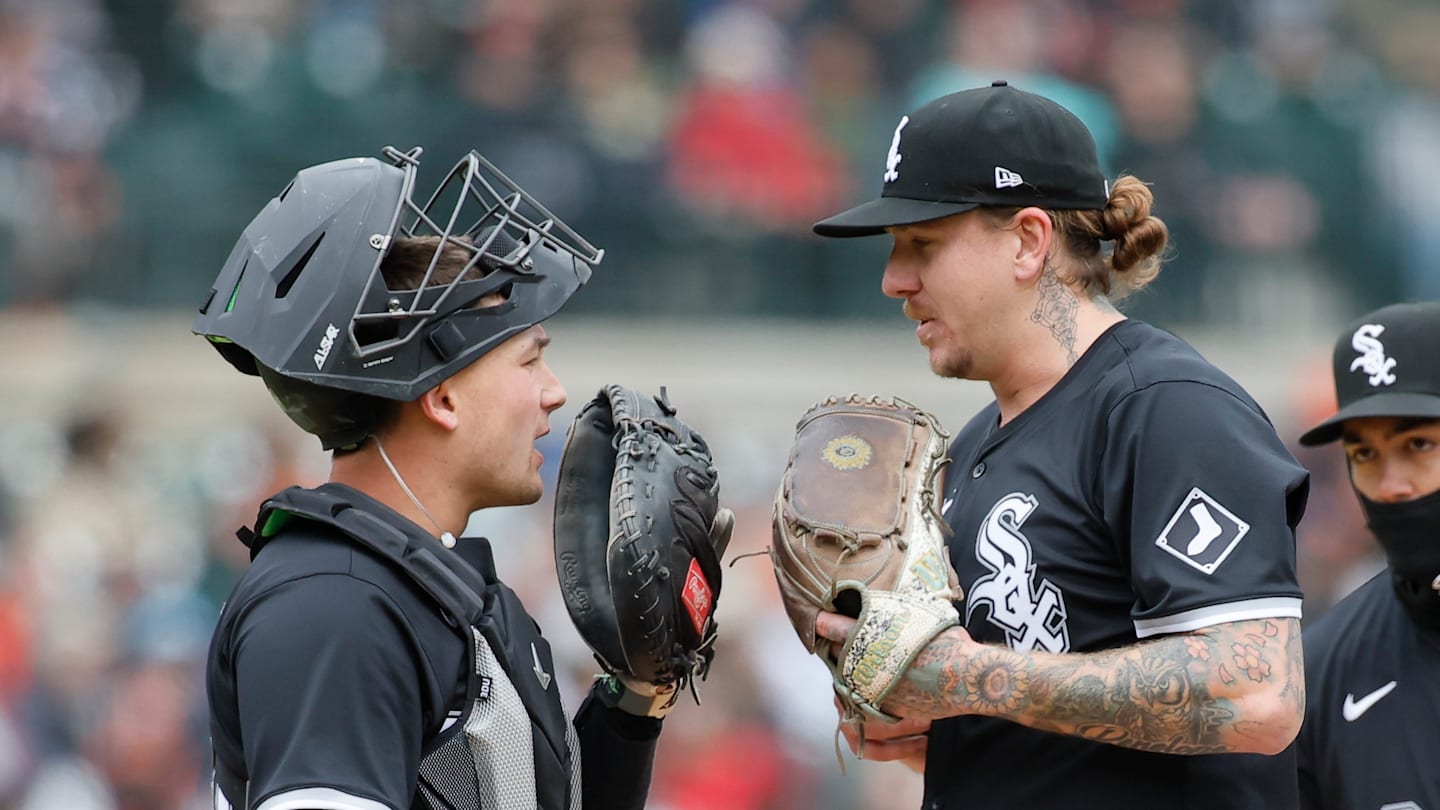
fromSouthside Showdown7 months agoChicagoReports of Mike Clevinger joining the White Sox appear to be false
fromWTAQ News Talk | 97.5 FM 1360 AM | Green Bay, WI9 months agoChicago White SoxWhite Sox LHP Fraser Ellard to return for doubleheader
fromWIN 98.5 Your Country | WNWN-FM | Battle Creek, MI9 months agoChicago White SoxWhite Sox LHP Fraser Ellard to return for doubleheader
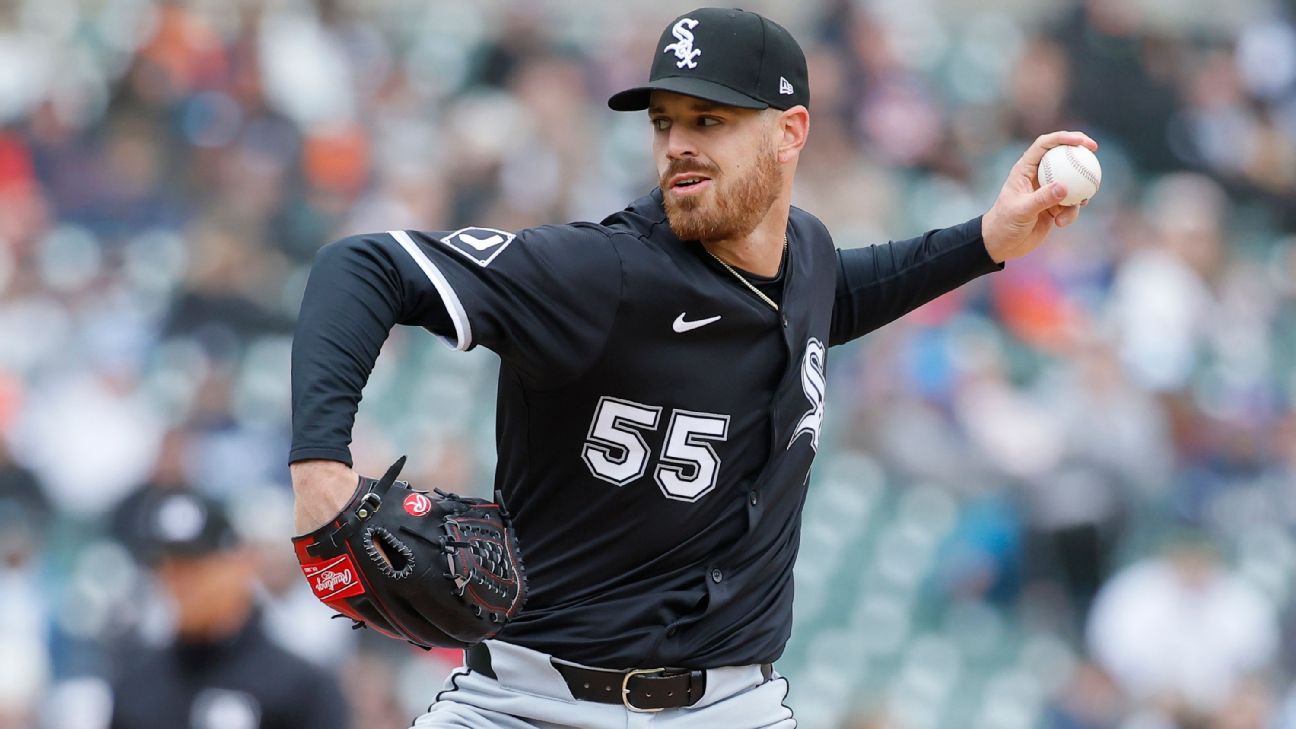
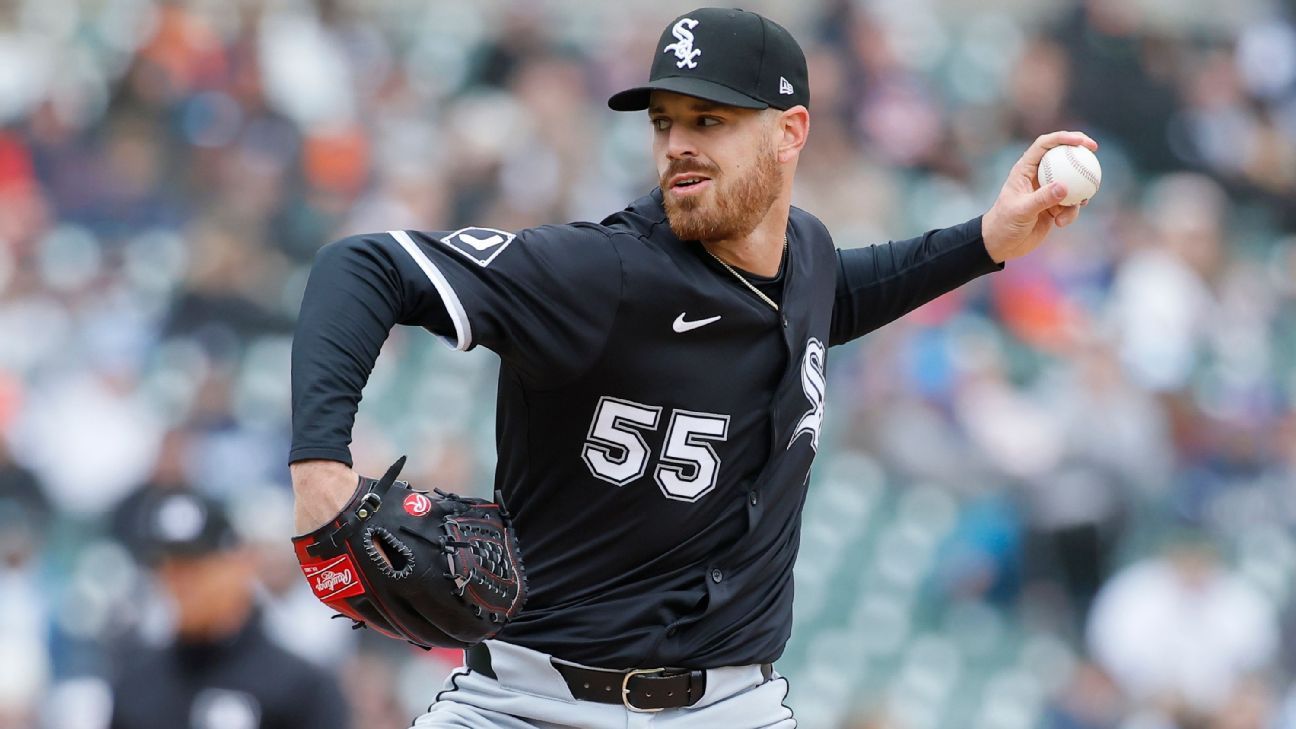
Chicago White SoxfromESPN.com9 months agoWhite Sox LHP Ellard to return for doubleheaderFraser Ellard returned to the Chicago White Sox as a reliever after rehabbing from injury, set to play in Friday's doubleheader.
Chicago White SoxfromWTAQ News Talk | 97.5 FM 1360 AM | Green Bay, WI11 months agoWhite Sox reinstate LHP Fraser Ellard from ILFraser Ellard reinstated from IL after recovering from a hamstring injury, while Tyler Gilbert was optioned to Triple-A Charlotte.
fromSouthside Showdown7 months agoChicagoReports of Mike Clevinger joining the White Sox appear to be false
fromWTAQ News Talk | 97.5 FM 1360 AM | Green Bay, WI9 months agoChicago White SoxWhite Sox LHP Fraser Ellard to return for doubleheader
fromWIN 98.5 Your Country | WNWN-FM | Battle Creek, MI9 months agoChicago White SoxWhite Sox LHP Fraser Ellard to return for doubleheader
fromWTAQ News Talk | 97.5 FM 1360 AM | Green Bay, WI11 months agoChicago White SoxWhite Sox reinstate LHP Fraser Ellard from IL
fromWKZO | Everything Kalamazoo | 590 AM 106.9 FM11 months agoWhite Sox reinstate LHP Fraser Ellard from ILThe Chicago White Sox reinstated left-hander Fraser Ellard from the 15-day injured list on Wednesday after he recovered from a right hamstring injury.Chicago White Sox