#federal-deficit
#federal-deficit
[ follow ]
#tariffs #national-debt #economic-policy #trump-administration #fiscal-policy #elon-musk #interest-payments



US politics
fromFortune
1 month agoTrump touts tariffs as a budget fix. But the brutal truth is 'they're very weak' and barely dent the $39 trillion national debt | Fortune
Tariffs are ineffective revenue tools that cannot meaningfully address the federal deficit or replace income tax, despite Trump's claims of their transformative potential.
fromwww.mediaite.com
1 month agoHow Broken Is the Media? Just Look at the Coverage of Trump's Exploding Debt Crisis
In mid-February, the nonpartisan Congressional Budget Office (CBO) released a shocking report calculating that at the current rate of increase, the national debt is set to hit $64 trillion by 2036. Sixty-four trillion dollars is such an eye-popping number—double the national debt in 2023 and triple where it stood in 2018—that it would mean the public would owe over 120% of overall GDP, crushing the previous record of 106% in 1946.
US politics
Public health
fromFortune
2 months agoCome 2030, the U.S. deficit will be worth 5.9% of GDP-more than the outlays for social security, and equal to spending on major health programs | Fortune
The U.S. faces escalating healthcare and social security costs driven by an aging population, with deficits projected to reach 6.9% of GDP by 2040, far exceeding sustainable levels.
US politics
fromFortune
2 months agoThe 'alternative scenario' of an even bigger national debt disaster is in play after the Supreme Court ruled Trump's tariffs illegal | Fortune
Supreme Court invalidated major Trump tariffs, removing tariff revenues and potentially raising federal deficits and national debt toward 131% of GDP by 2036.
fromFast Company
2 months agoCBO predicts federal deficits and debt to worsen over next decade amid Trump's policies
The nonpartisan Congressional Budget Office's 10-year outlook projects worsening long-term federal deficits and rising debt, driven largely by increased spending, notably on Social Security, Medicare, and debt service payments. Compared with the CBO's analysis this time last year, the fiscal outlook has deteriorated modestly. Major developments over the last year are factored into the latest report, released Wednesday, including Republicans' tax and spending measure known as the " One Big Beautiful Bill Act,"
US politics
fromwww.mediaite.com
5 months agoSenate Republican Dumps Cold Water on Trump's Idea To Give Americans $2,000 Each: We Can't Afford It'
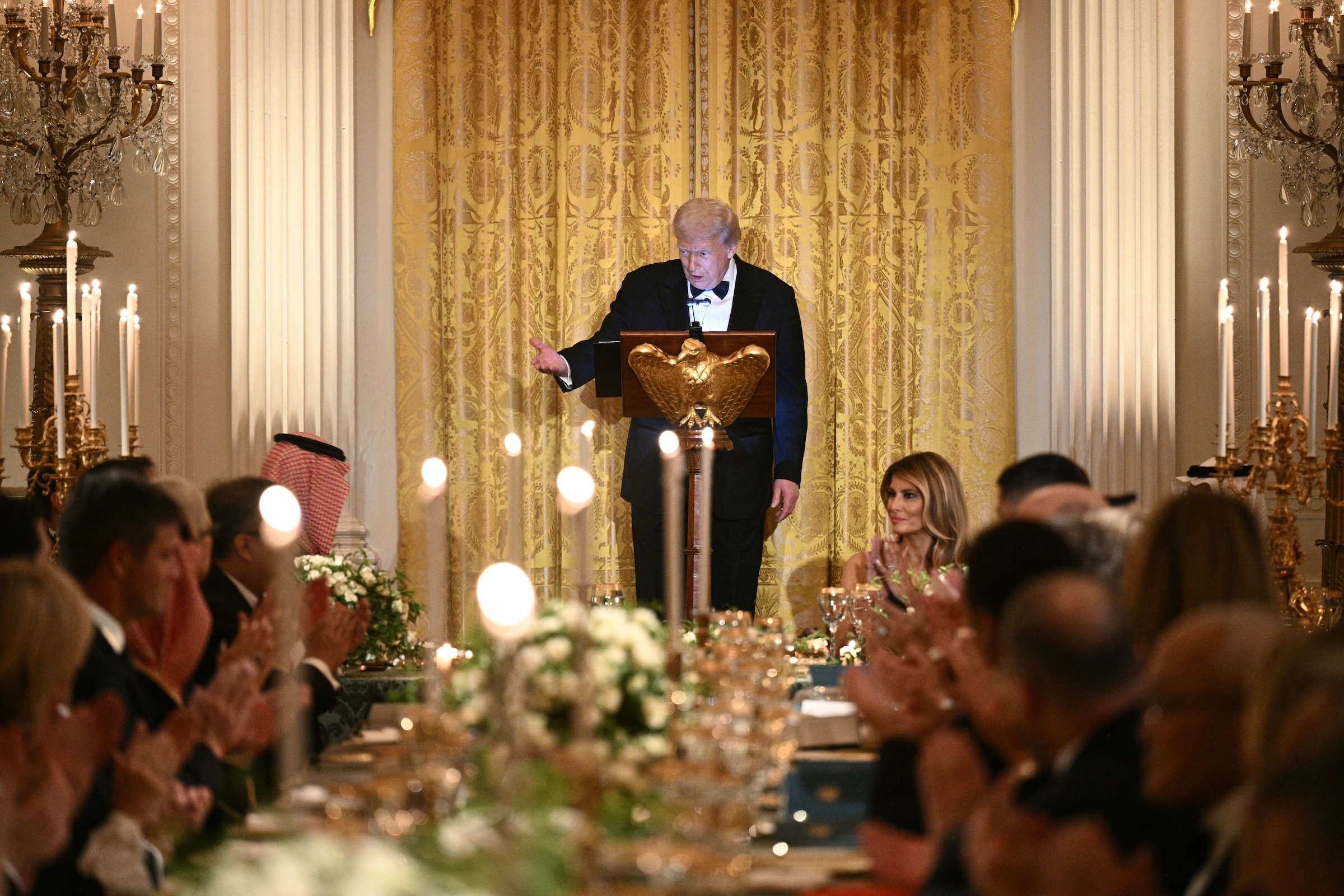
Well first of all, Maria, we're $38 trillion in debt, he replied. We've averaged $1.89 trillion deficits over the last five years. In the next 10 years, the projection's about $26 trillion from accumulated deficits. We have to address the deficit problem. We are on borrowed time here. So many people are whistling by the graveyard. If we're bringing in revenue through the tariffs, that oughta be applied to reduce the deficit, not just making a cash payment to Americans.
US politics



fromwww.mediaite.com
5 months agoFox's Larry Kudlow Unimpressed With Trump's Hokey' $2,000 Check Idea
We will be issuing dividends later on probably the middle of next year, a little bit later than that, Trump told reporters in the Oval Office on Monday. Thousands of dollars for individuals of moderate income, middle income. Last week, the president claimed that the checks, which require congressional approval, would be sent out next year. Trump said the idea is to give Americans the tariff money that has been collected on imports.
US politics
US politics
fromFortune
5 months agoThe shutdown 'accomplished nothing and caused significant harm' to many people, budget watchdog says, giving 'new meaning to fiscal irresponsibility' | Fortune
The government shutdown ended, but the reopening package locks in trillions of dollars in new borrowing and deepens an already unsustainable U.S. fiscal trajectory.
US politics
fromFast Company
6 months agoU.S. national debt skyrockets past $38 trillion, the Treasury Department reports
U.S. gross national debt surpassed $38 trillion, marking rapid debt accumulation that risks higher inflation, greater borrowing costs, reduced wages, and erosion of purchasing power.
fromFortune
8 months agoTrump's tariffs are becoming such an important revenue source that they're now propping up America's debt rating
S&P Global reaffirmed its AA+ credit rating and stable outlook last week due in part to "robust tariff income," which should help offset the impact of tax cuts and spending in the federal budget. While S&P doesn't see meaningful improvement in the fiscal deficit, it doesn't expect steep deterioration either. However, reciprocal tariffs face legal challenges and could be struck down.
Business


fromwww.mediaite.com
1 year agoFox Business' Dagen McDowell Mocks DOGE for Trying to Solve Deficit Using Elon Musk Math'
After guest Daniel Newman added that higher taxes would add still more uncertainty amidst President Donald Trump's trade wars, McDowell weighed in. "It's also the creep's way out and I use the word creep because they want to let the top rate creep up the creepy way out of not cutting spending," she argued. "And it's just the fact that we're running more than a $2 trillion deficit this year, it will come in higher than Joe Biden's last year in office."
US politics
[ Load more ]