Design
fromArchDaily
2 days agoLight Pavilion / DRAWING WORKS
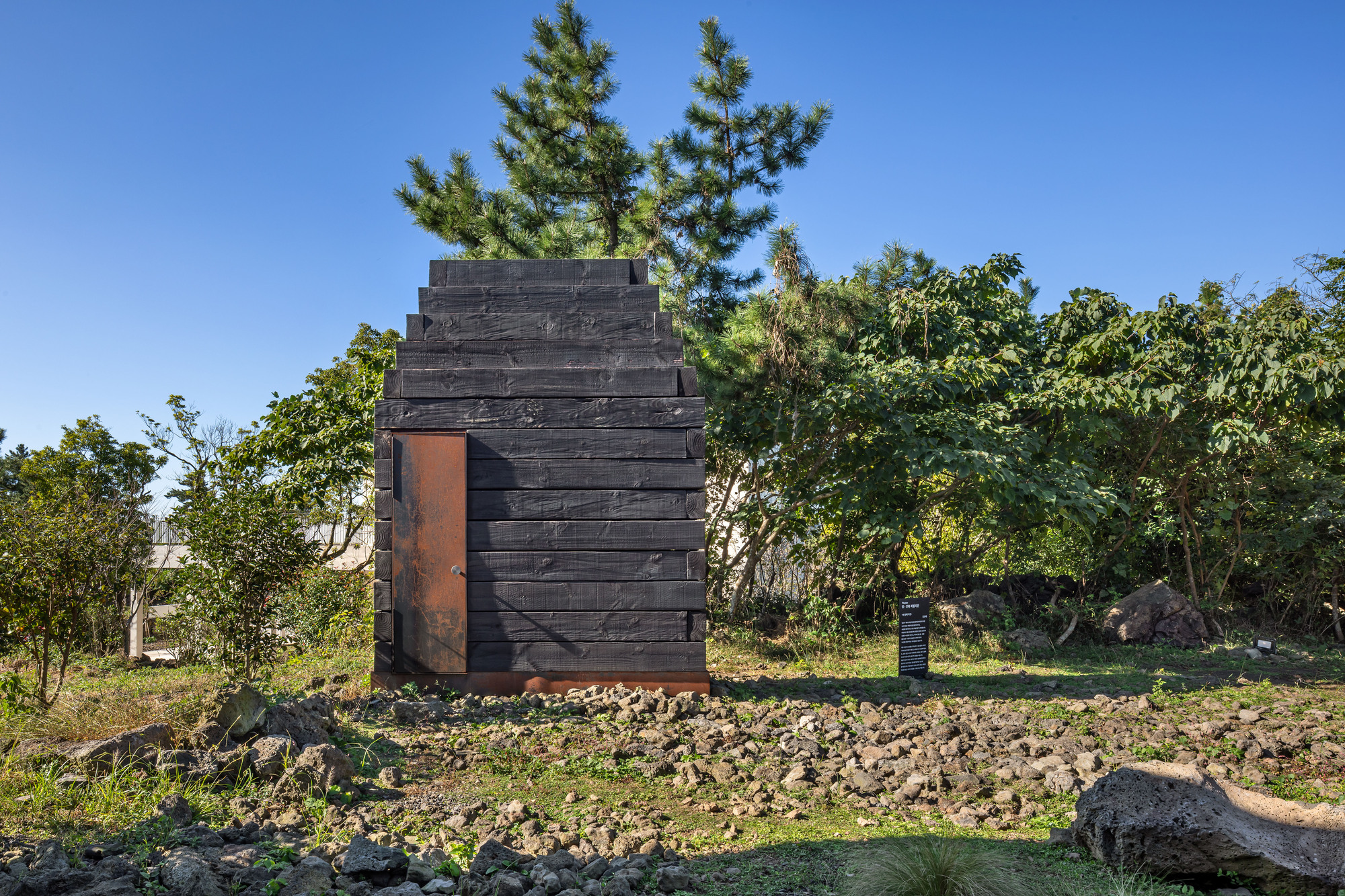
The Light Museum captures the unique, ephemeral nature of Jeju's light through an experimental architectural design.
It's easy, for me at least, to be cynical about the state of design. Our visual environment can feel bland, everything from brands to buildings homogenized around similar styles. The ever-impending AI takeover can make the future of this work uncertain. My reading around design this year tended to focus on two things: looking back and looking ahead. In looking through design history, I was looking for glimpses of alternative ways of designing: the experimental, the absurd, the weird.
I vividly remember the first experiment I conducted for my PhD in economics, investigating the conditions under which trust forms between strangers. I had built a solid theoretical framework, designed the experiment - in which students played a trust game - carefully, and optimistically named my database 'AwesomeData'. But when I ran my first sessions, the results made no sense. My participants weren't behaving as theory - or even common sense - would suggest, because my set-up made the task too confusing.
Once we have the measures, we are able to test the hypotheses through statistical inferences. The statistical model associated with a Latin square design is shown in equation (1). This design uses analysis of variance (ANOVA) to assess the components (overall mean, blocks, treatment and random error) of the model. ANOVA is based on looking at the total variability of the collected measures and the variability partition according to different components.