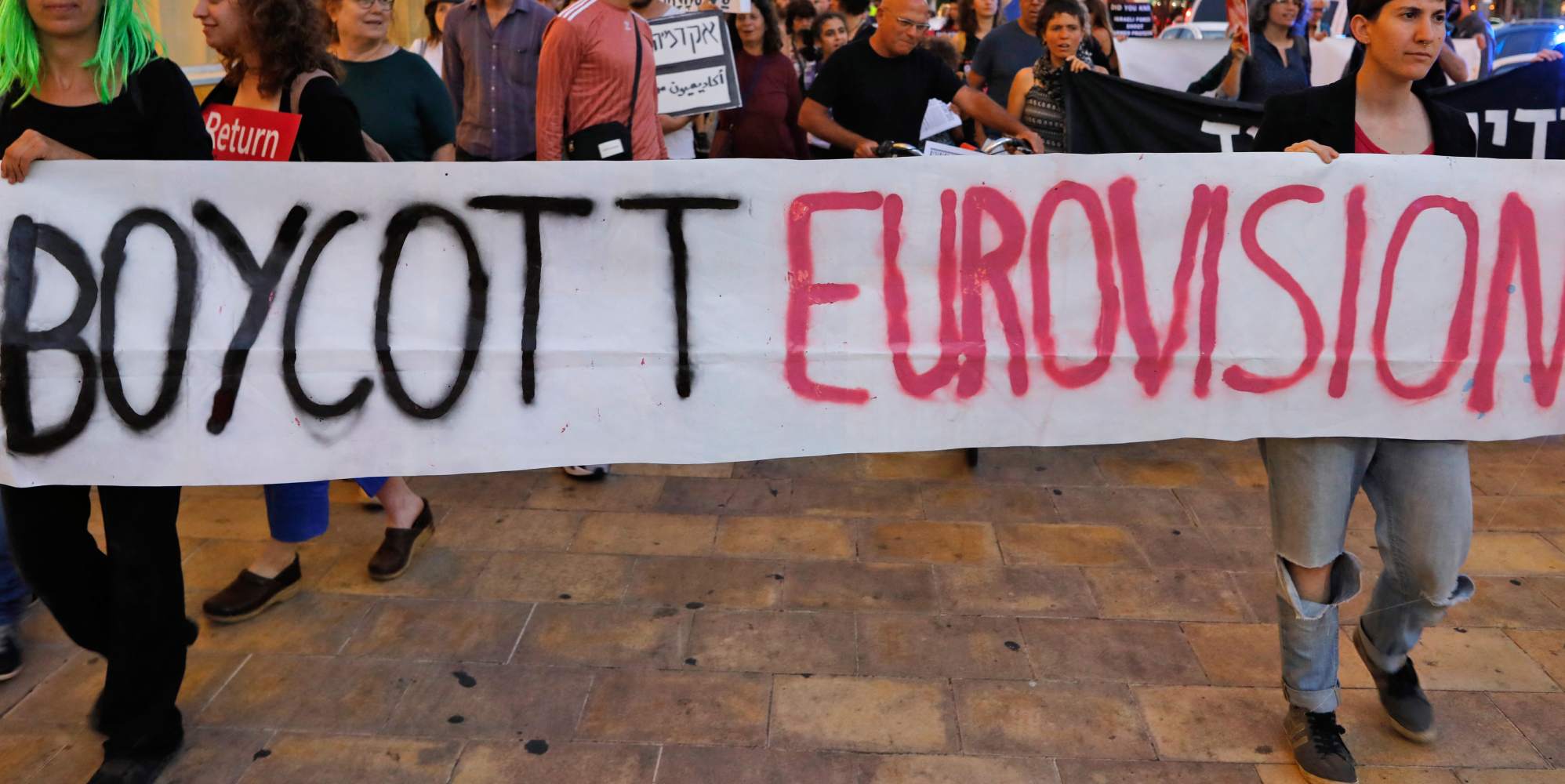
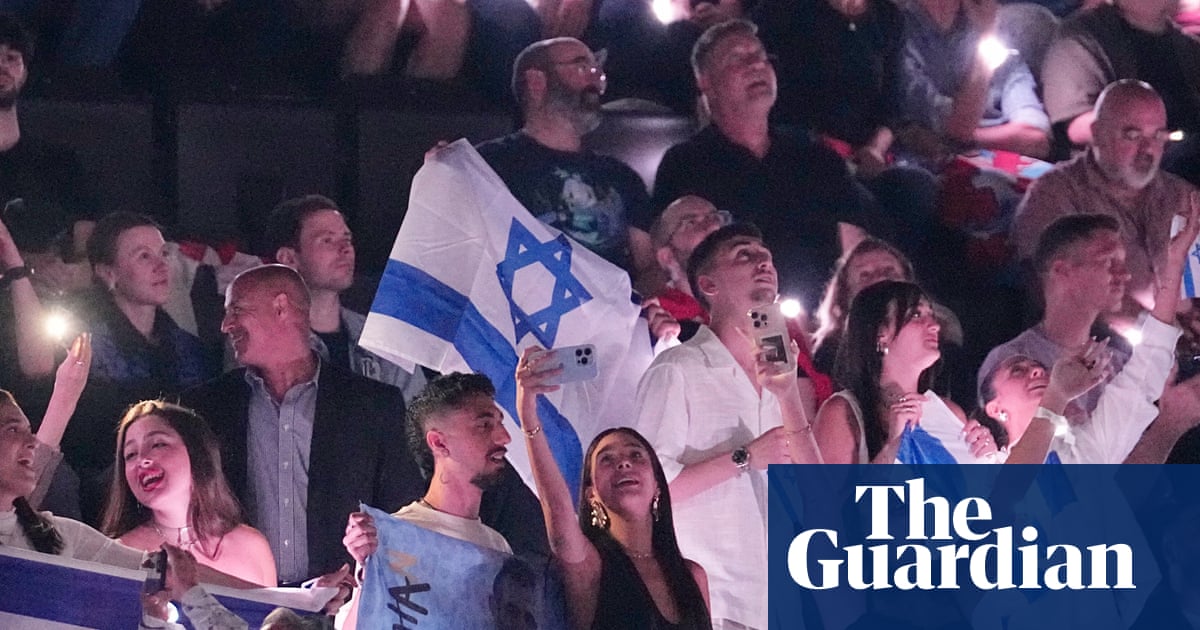
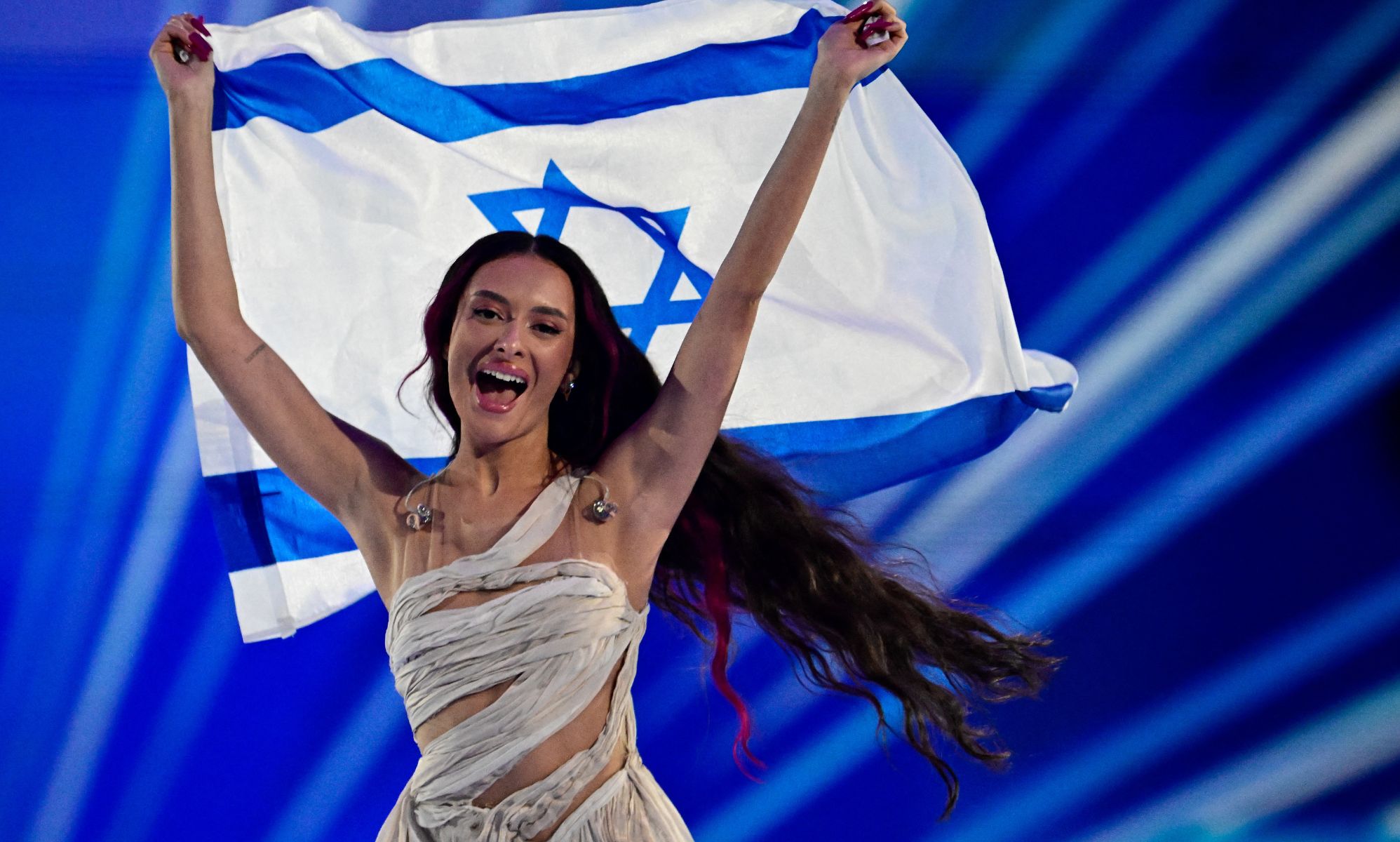
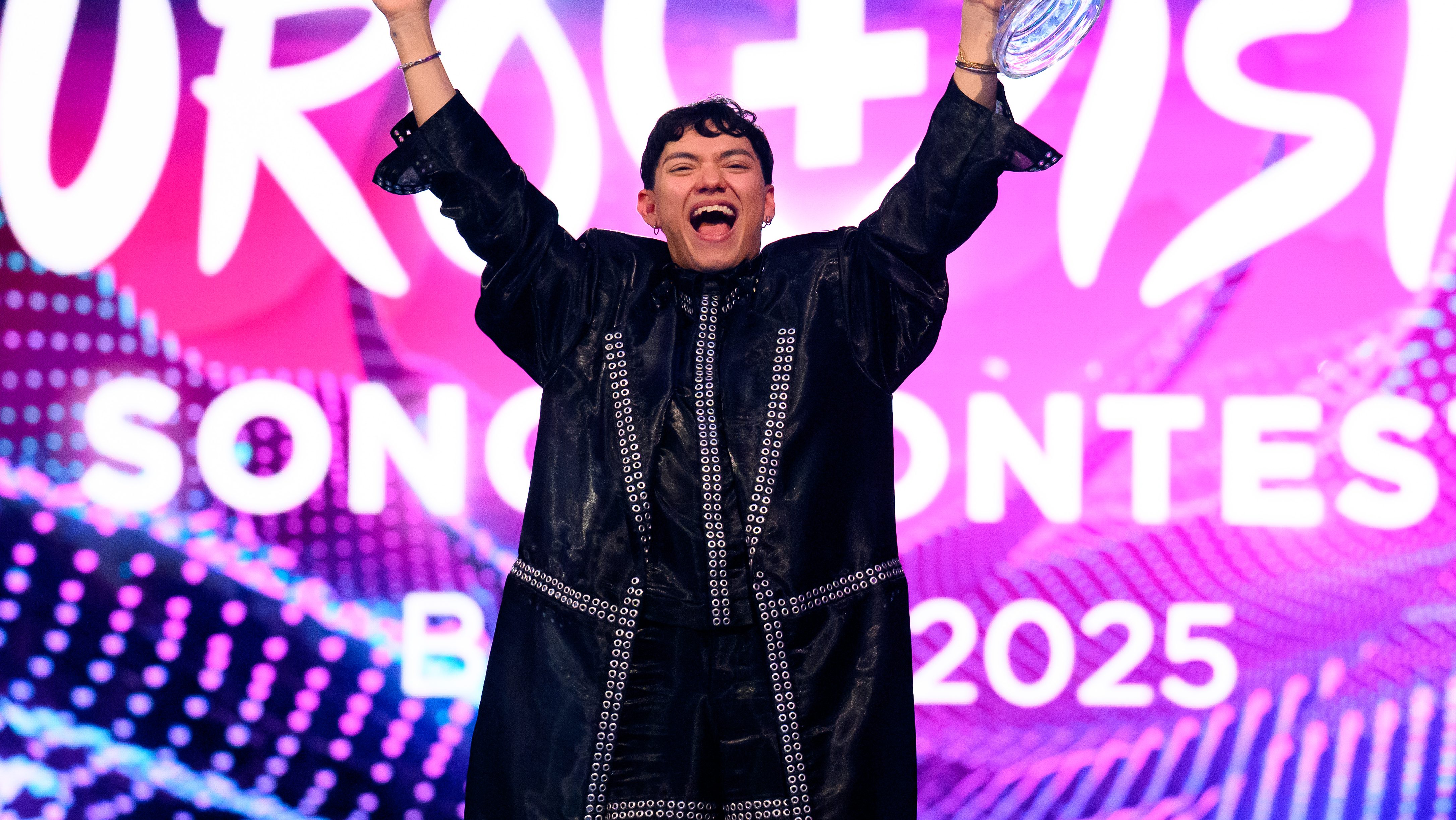
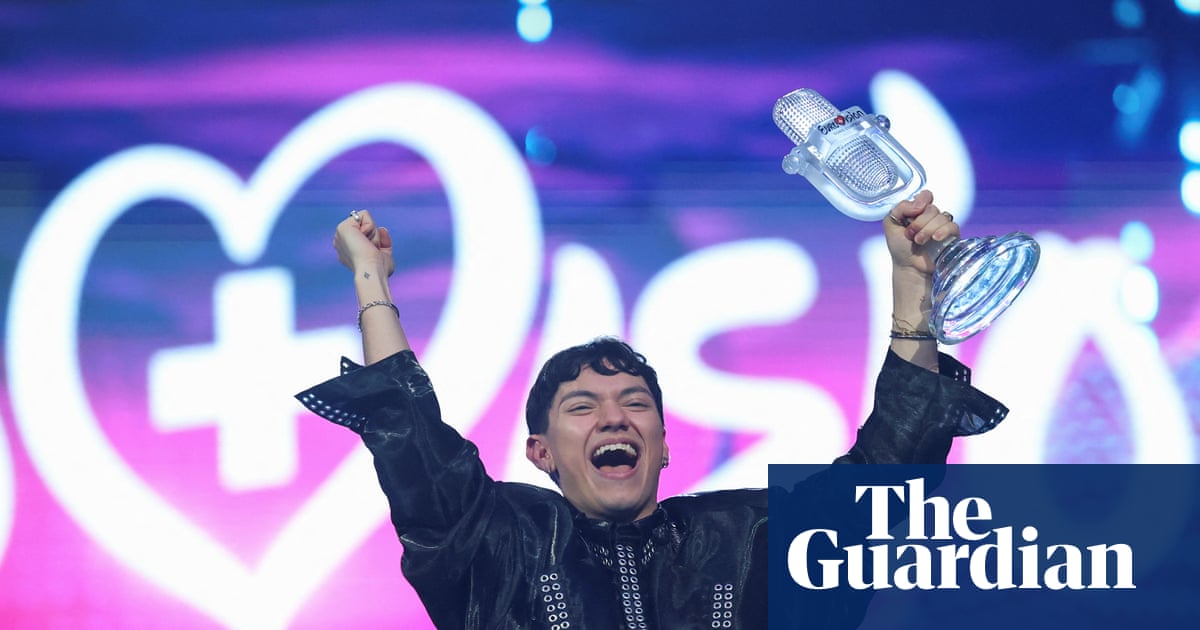
The 70th edition of the contest, which will culminate with a live show on Saturday 16 May, will feature 35 countries in total. However, five countries - Iceland, Ireland, the Netherlands, Slovenia and Spain - will be boycotting this year's contest over the decision to let Israel take part.
I also know you feel strongly about events in the Middle East and how those realities connect to the Eurovision Song Contest. No one can fail to be moved by what we have seen in the region in the past few years,
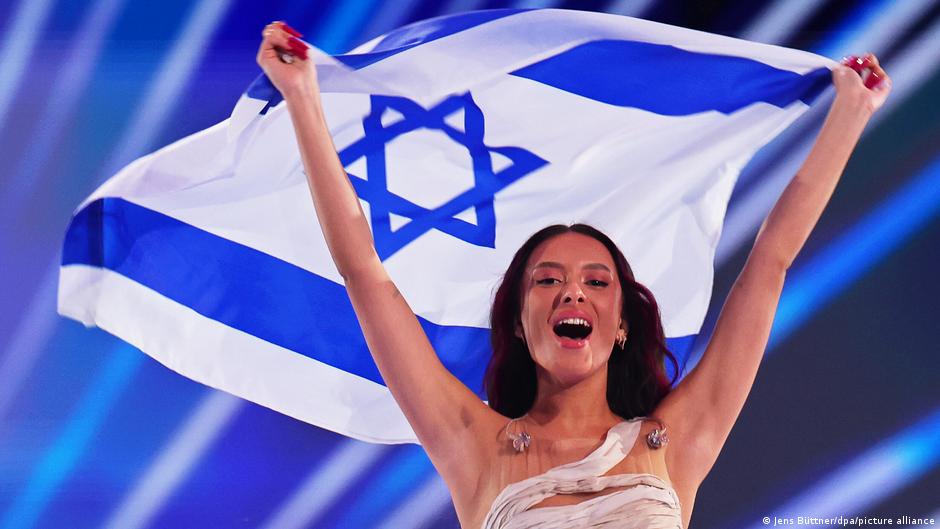
The decision came after a vote on whether Israel should be able to compete in next year's contest due to the ongoing conflict in Gaza, and concerns about unfair voting. The UK's BBC was among around 50 broadcasters which attended a meeting of the European Broadcasting UNION (EBU) on Thursday (4 December) on the future of the show. Some countries had already shown support to Israel's participation, including Germany, who had threatened they would pull out if Israel was barred.
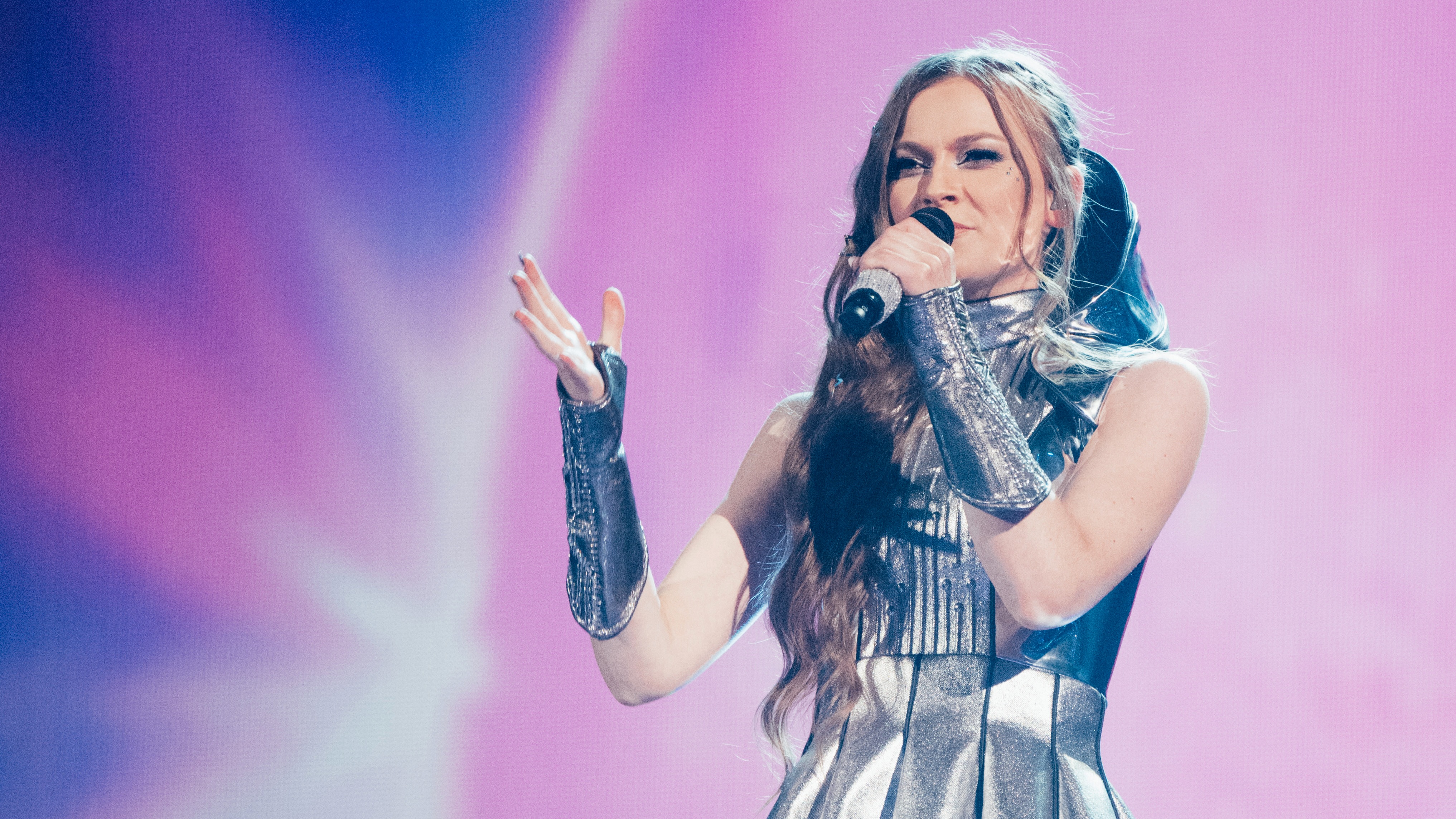
Today (Thursday 6 November) Cyprus became the first country taking part in Eurovision 2026 to announce who would be competing on its behalf. It has chosen the singer Antigoni who will be performing a yet-to-be-announced song. As the first performer confirmed for Eurovision 2026, Antigoni also had the honour of being the first to showcase the introduction videos to be used when announcing the artists taking part.
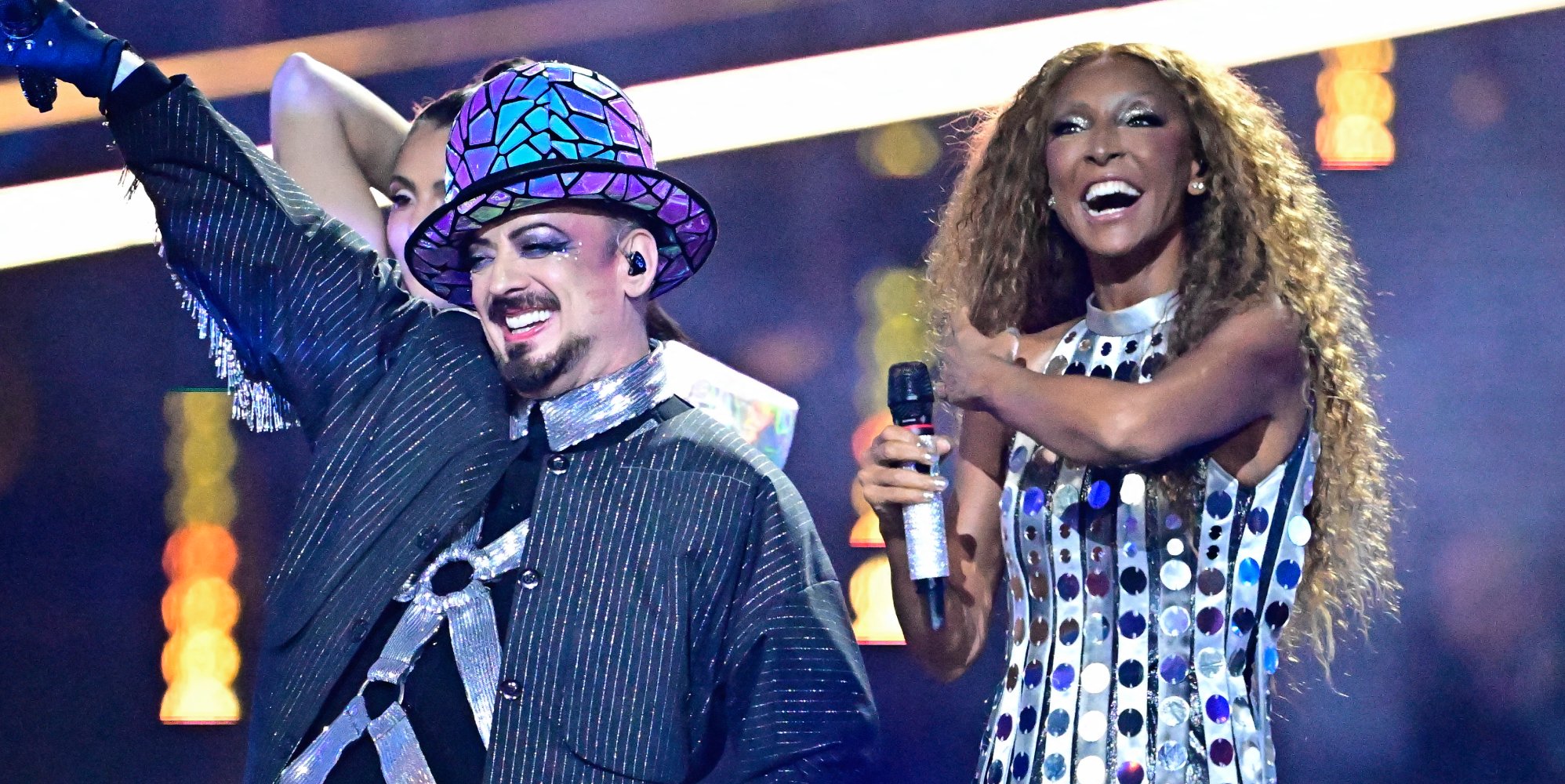
Former winner Charlie McGettigan praises decision of broadcaster to pull Ireland out of contest over war in Gaza. The Netherlands is the latest country to say it will not participate in the 2026 Eurovision if Israel is allowed to compete. In a statement on its website, the Dutch broadcaster AVROTROS said it could "no longer justify Israel's participation in the current situation, given the ongoing and severe human suffering in Gaza".