Environment
fromFast Company
1 week agoCritical minerals are required to power AI data center demand
AI is driving unprecedented demand for energy storage solutions, particularly batteries, to support data centers and ensure grid stability.
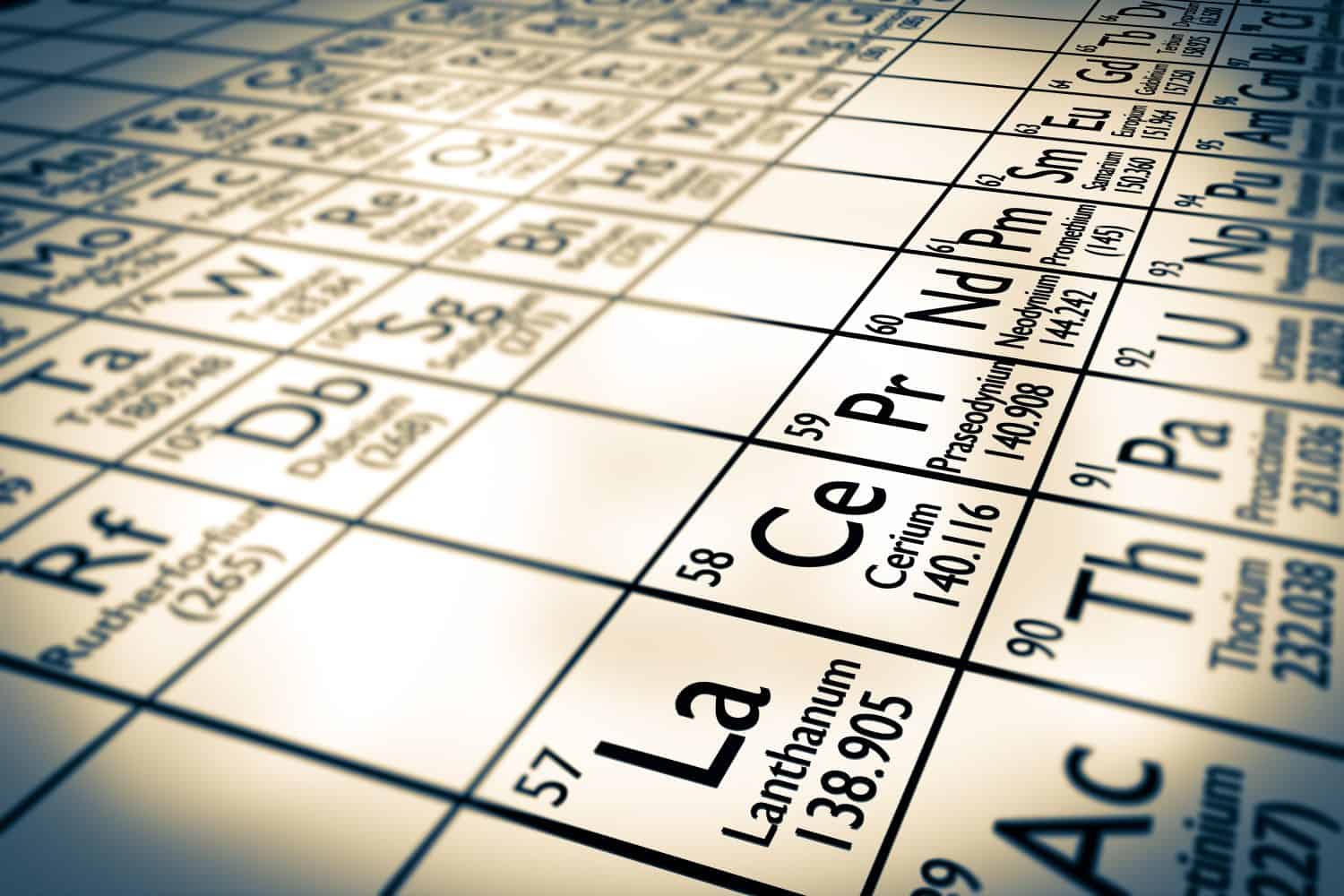
China controls the overwhelming majority of global rare earth processing capacity, a figure that has remained structurally stable for nearly two decades despite sustained Western policy attention. The problem has never been geology. It's always been industrial chemistry at scale.
Korea Zinc, which it described as one of the world's largest smelters, is in talks with major US technology firms to recycle data center waste and extract rare earth. The move comes almost one year to the day after China announced immediate export controls on seven more rare earth elements critical to enterprise IT hardware manufacturing.
Rare earths are rapidly evolving into a strategic asset class as nations strive to reduce reliance on China, which retains overwhelming dominance in mining and refining capacity. Driven by surging demand from critical industries and heightened government intervention, the market infrastructure is maturing to meet the challenge. A pivotal milestone in this evolution is the CME Group's plan to launch rare earth futures contracts.
United States President Donald Trump has announced the launch of a strategic minerals stockpile. The stockpile, called Project Vault, was announced on Monday. It will combine $2bn of private capital with a $10bn loan from the US Export-Import Bank. list of 4 itemsend of list It is the latest move by the White House to invest in rare-earth minerals needed in the production of key goods, including semiconductor chips, smartphones and electric car batteries.
The team, from the Chinese Academy of Sciences and Beijing Institute of Technology, recently published their findings in Nature Communications. According to their research, the process not only avoids conventional leaching chemicals and extreme heat to extract lithium from old batteries, but it also uses carbon dioxide in what the authors call a sequestration step, and turns other battery transition metals into new catalysts - with CO₂-rich water doing most of the chemical work.