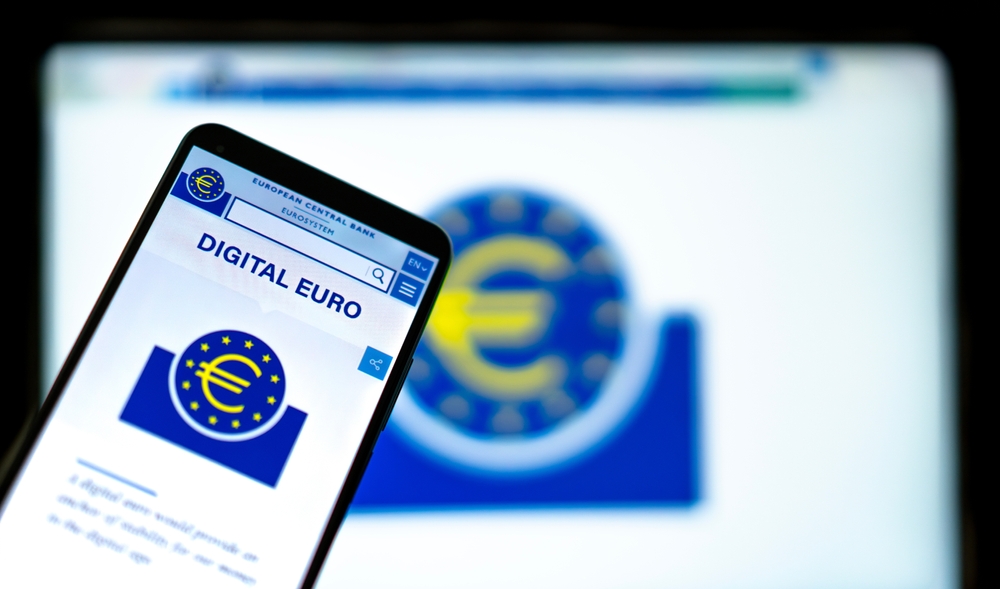
The electronic version of the money used in the 21-nation currency area would be available to use free of charge in shops, online or from person to person. Supporters say it would let Europeans make online payments without relying on US payment systems -- as Europe ramps up efforts to break its dependence on foreign firms including US giants such as Visa and Mastercard. Critics fear it would allow governments to surveil citizens' payments or even cut them off from the money supply.
On Friday, EU ministers reached an agreement on the next steps for the rollout of a digital euro. The electronic currency is intended to be an alternative to the dominant American payment systems of Visa and Mastercard. The ECB hopes to have the legislation ready by June. The ECB expects to have the legislation ready by June. After that, the bank will need another two and a half to three years to actually launch the digital euro.