#digital-advertising-tax
#digital-advertising-tax
[ follow ]
fromMaryland Matters
2 weeks agoPennsylvania Democrats think a tax on big tech could help close the state's deficit - Maryland Matters
Rep. Elizabeth Fiedler stated that the tax targets 'some of the biggest companies in the world - Google, Meta, Amazon, Microsoft - and calls on them to simply pay their fair share for doing business in our commonwealth.'
Marketing tech
fromBloombergtax
4 months agoSupreme Court Case Among State and Local Tax Issues to Watch
Many of those developments will continue to affect SALT in 2026 as we see renewed challenges to Public Law 86-272, a federal law that prohibits states from imposing income taxes on out-of-state businesses that only solicit sales of tangible personal property in the state. There also will be developments involving digital advertising taxes, federal tax law changes, interstate disputes, and a US Supreme Court ruling involving the government's right to take property to satisfy a tax lien.
Law
fromTacoma News Tribune
4 months agoSmall businesses are paying the price for Washington's digital ad tax | Opinion
When the Legislature passed its new digital advertising tax ( ESSB 5814), the message was that Google, Meta and Amazon would finally pay their fair share. But as of Oct. 1, these companies are not paying a dime. They simply updated their billing software, added the tax as a separate line item on every invoice and passed the entire cost directly to us - the advertisers.
Washington DC
fromBloombergtax
6 months agoDigital Ad Tax Isn't How Washington Should Modernize State Code
In an ill-fated effort to "modernize" its tax code, Washington state expanded its sales tax to include digital advertising, among other services. Modernizing sales tax is a noble goal, but not at the expense of hurting state businesses and violating fundamental principles of sound sales tax policy. It's too late in the day for the tax to be vetoed, since it took effect Oct. 1, but the state should still reverse course and repeal this folly.
US politics



fromThe Baltimore Banner
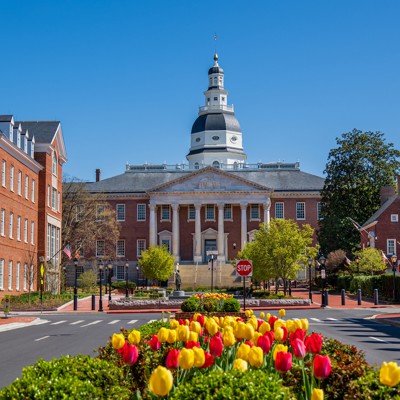
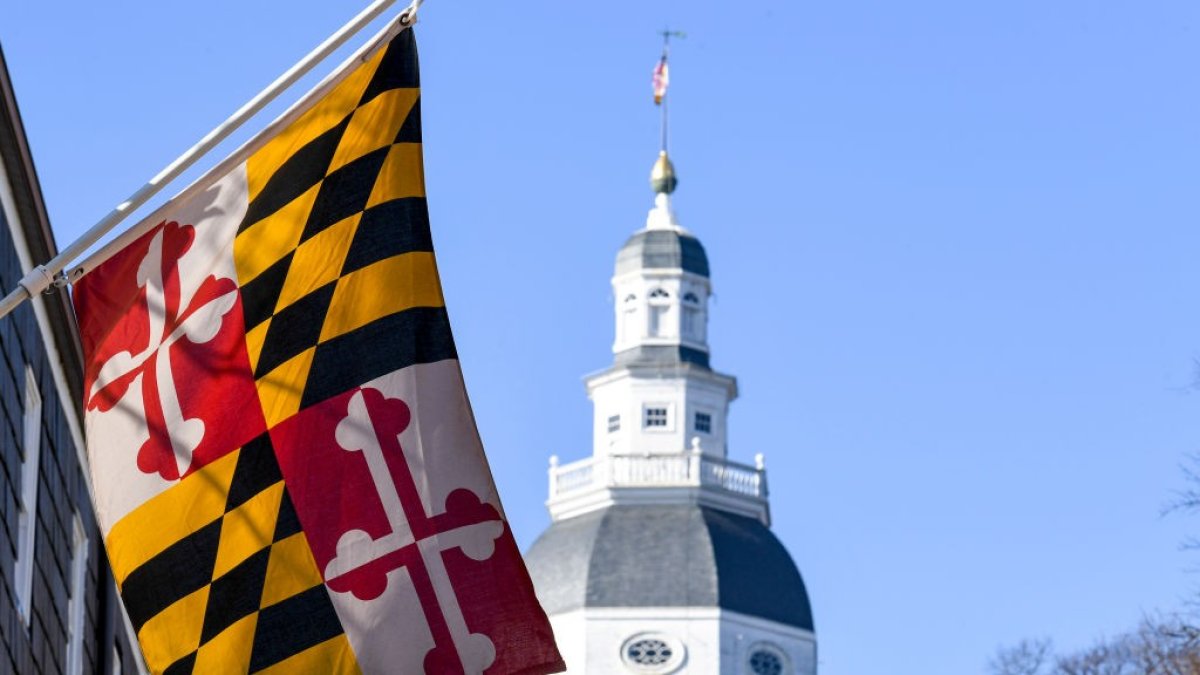
9 months agoMaryland tax on digital ads violated Big Tech's free speech, judges say
Maryland's first-in-the-nation tax on digital advertising violated the Constitution as it prevents companies from informing customers about the tax, infringing on their free speech rights.
US politics
[ Load more ]