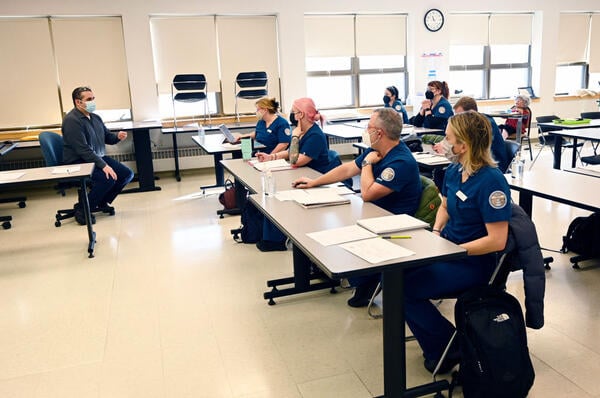
They were well represented among the awards focused on workforce training but were shut out when it came to addressing larger social issues. To be fair, FIPSE wasn't alone in ignoring community colleges. As Karen Stout pointed out this weekend, The Chronicle 's quarter-century forecast drew on 50 experts from across higher education to talk about emerging trends; only one was from a community college.
California led the nation in 2020, outlawing a debt collection practice that sometimes kept low-income college students from getting jobs or advanced degrees. But five years later, 24 of the state's 115 community colleges still said on their websites that students with unpaid balances could lose access to their transcripts, according to a recent UC Merced survey. The communications failure has been misleading, student advocates said, although overall, students have benefited from the law.
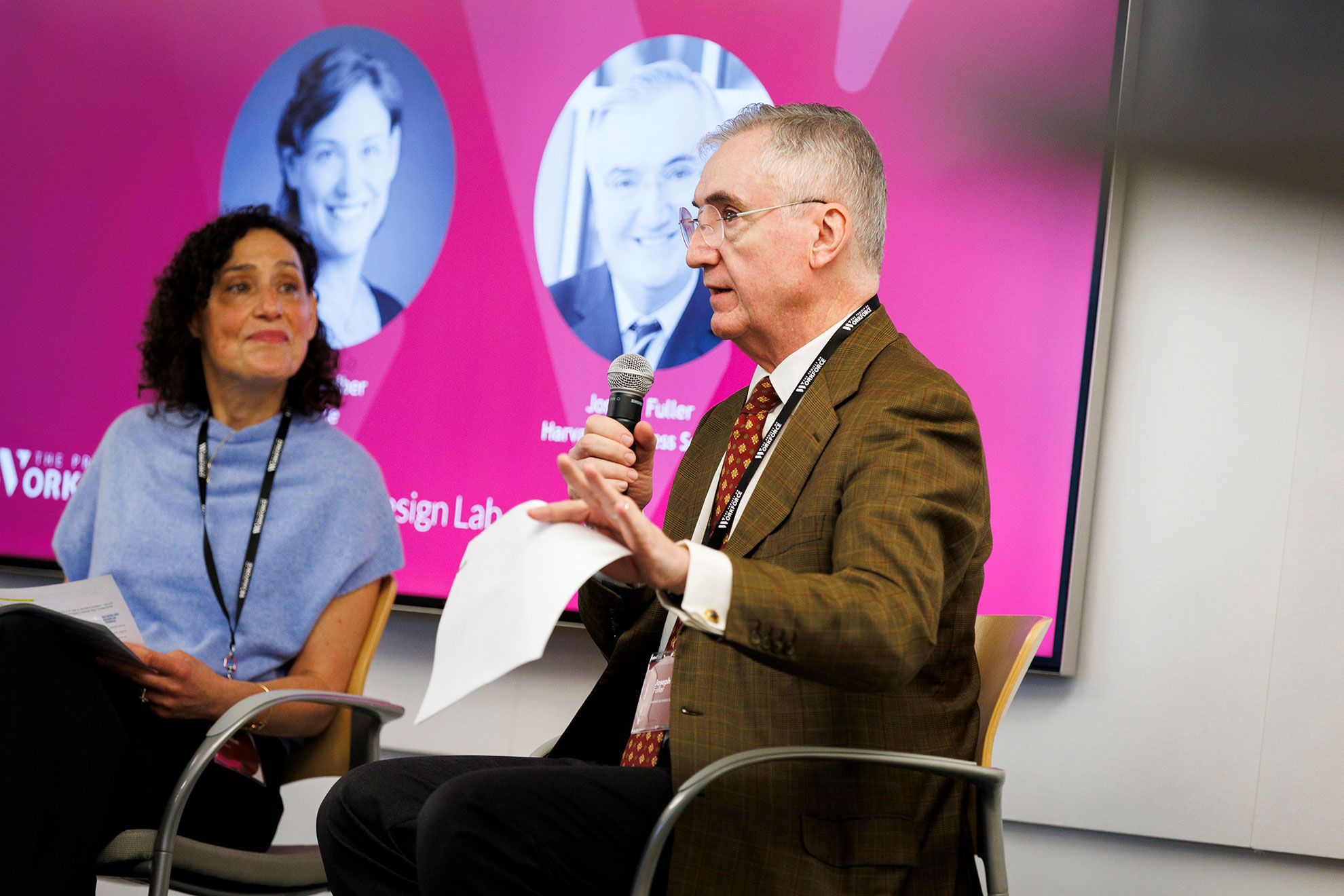
"More than 70 percent of employers say they'd rather hire someone with less experience but who understands AI than someone with more experience. That's a big change," said Lisa Gevelber, chief marketing officer for Gemini, Google's AI product.
Outside of the elite institutions that dominate the discourse, it's common for students to "swirl" between or among institutions. These are students who picked up some credits here and some there, often with breaks for life happening and/or financial issues. They often show up at community colleges in hopes of taking a few more classes to patch together an actual degree.
As college tuitions rise closer to $100,000 a year, both private and public Massachusetts colleges have made free tuition available to students with household incomes under amounts that range from $75,000 to $200,000. Due to the increase in financial aid, out-of-pocket costs have recently gone down nationwide, according to research from College Board. Many Mass. colleges offering free tuition to applicants under a certain household income have been announced over the past couple years, and have become available for students this fall 2025.
The report, based on a 2024 survey of students from 164 community colleges, found that parenting students were more engaged than nonparenting students across multiple benchmarks, including coming to class prepared and never skipping classes, despite their additional responsibilities. These students were also more likely than nonparents to have earned an associate degree or certificate or to mention changing careers as a goal.
Geographic clusters allow workers in specific industries to remain in one location while switching jobs, minimizing the disruption caused by relocations. This stability is especially valuable for two-income families.
The Trump administration has frozen roughly $716 million intended for adult education programs, impacting funding for high school equivalency classes, ESL programs, and community colleges.