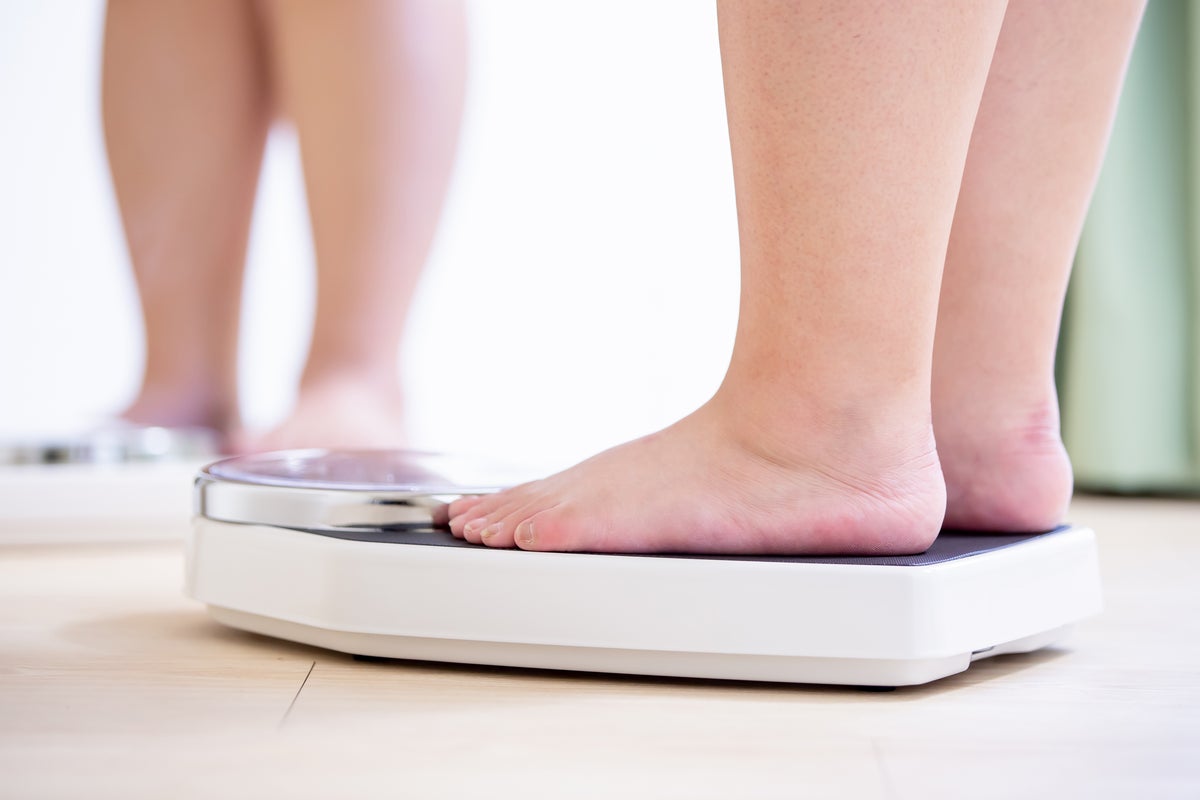
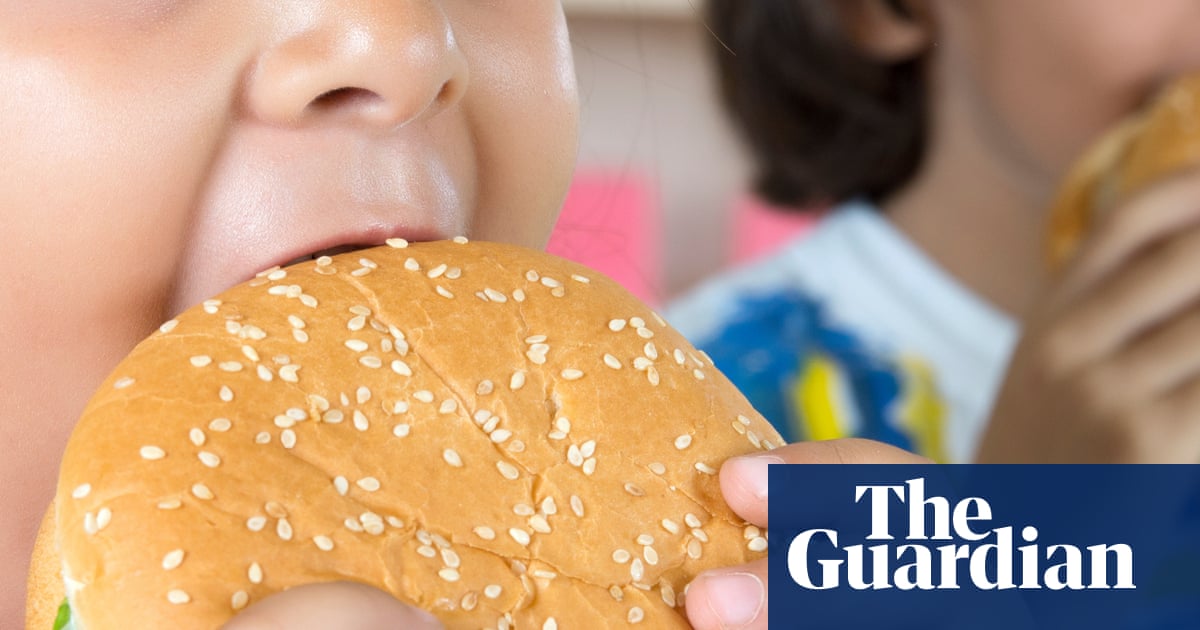
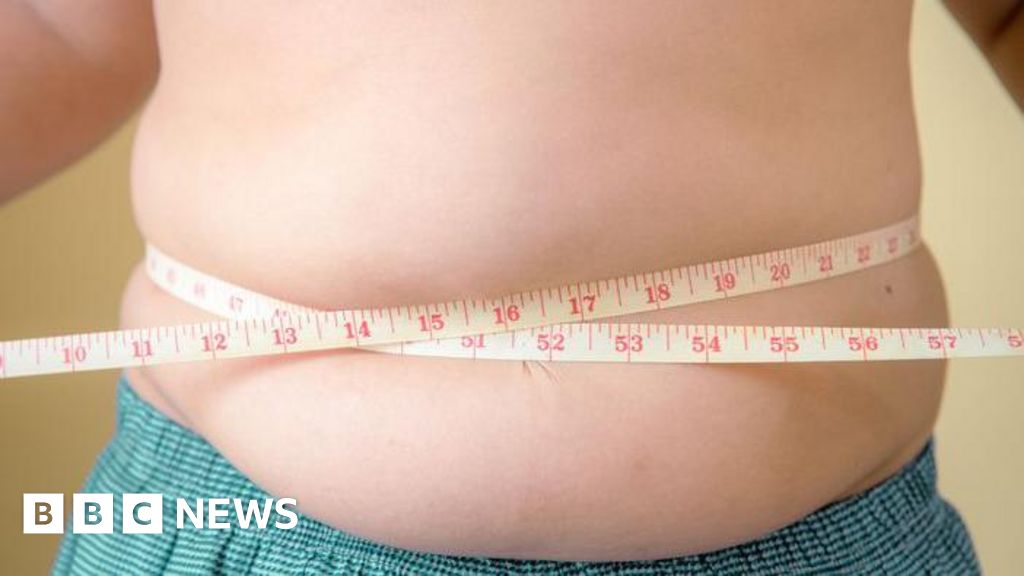
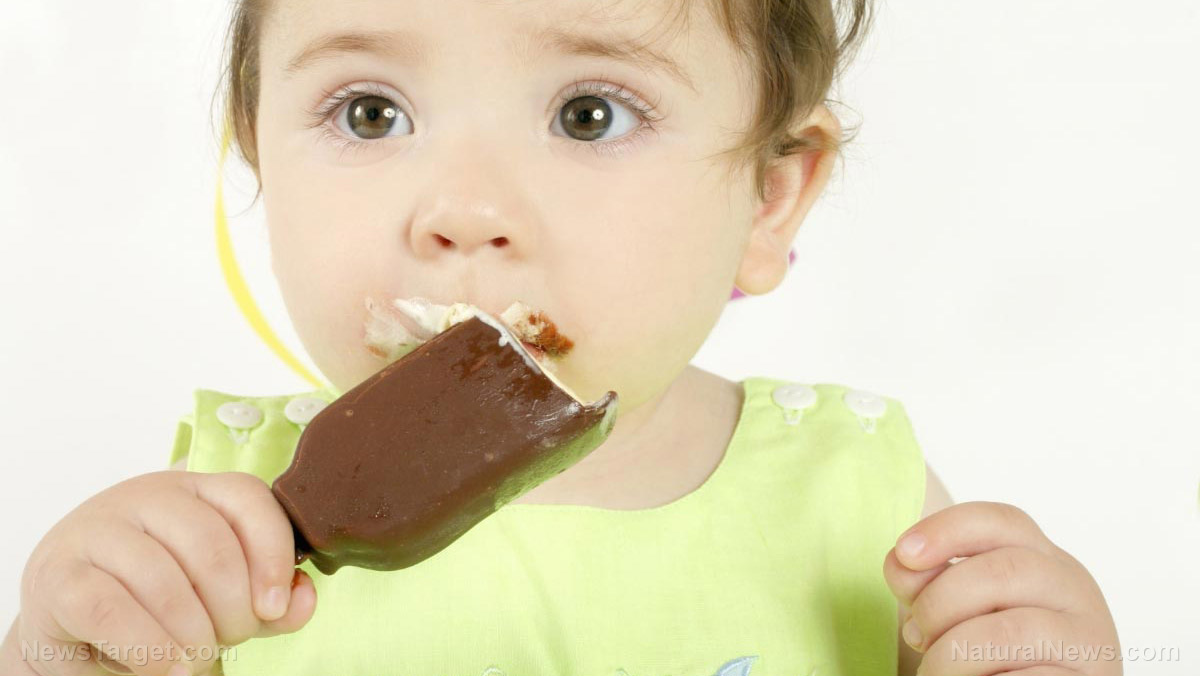
Almost a quarter of GPs are seeing children aged four or under who are obese, according to a survey of UK family doctors. The alarming research also found that almost half (49%) of GPs have seen boys and girls up to the age of seven who have obesity, including a handful younger than a year old. However, four out of five family doctors find it difficult to talk to children or their parents about the condition.
When Lola was eight years old, she went through a massive growth spurt and started developing acne. Her mother, Elise, thought Lola was just growing fast because of genes inherited from her father. But when she noticed that Lola had grown pubic hair too, she was floored. A visit to an endocrinologist in 2023 confirmed that Lola's brain was already producing hormones that had kick-started puberty.
After years of wrangling, from this week new rules shield children in the UK from junk food advertisements. Those featuring processed food and drink products in 13 categories including soft drinks with added sugar, crisps, chocolate and sweets are now banned online, and can only be shown on broadcast TV after 9pm. In a month already strongly associated with the giving up of bad habits and turning over of new leaves, restraint on the part of advertisers has been made compulsory.
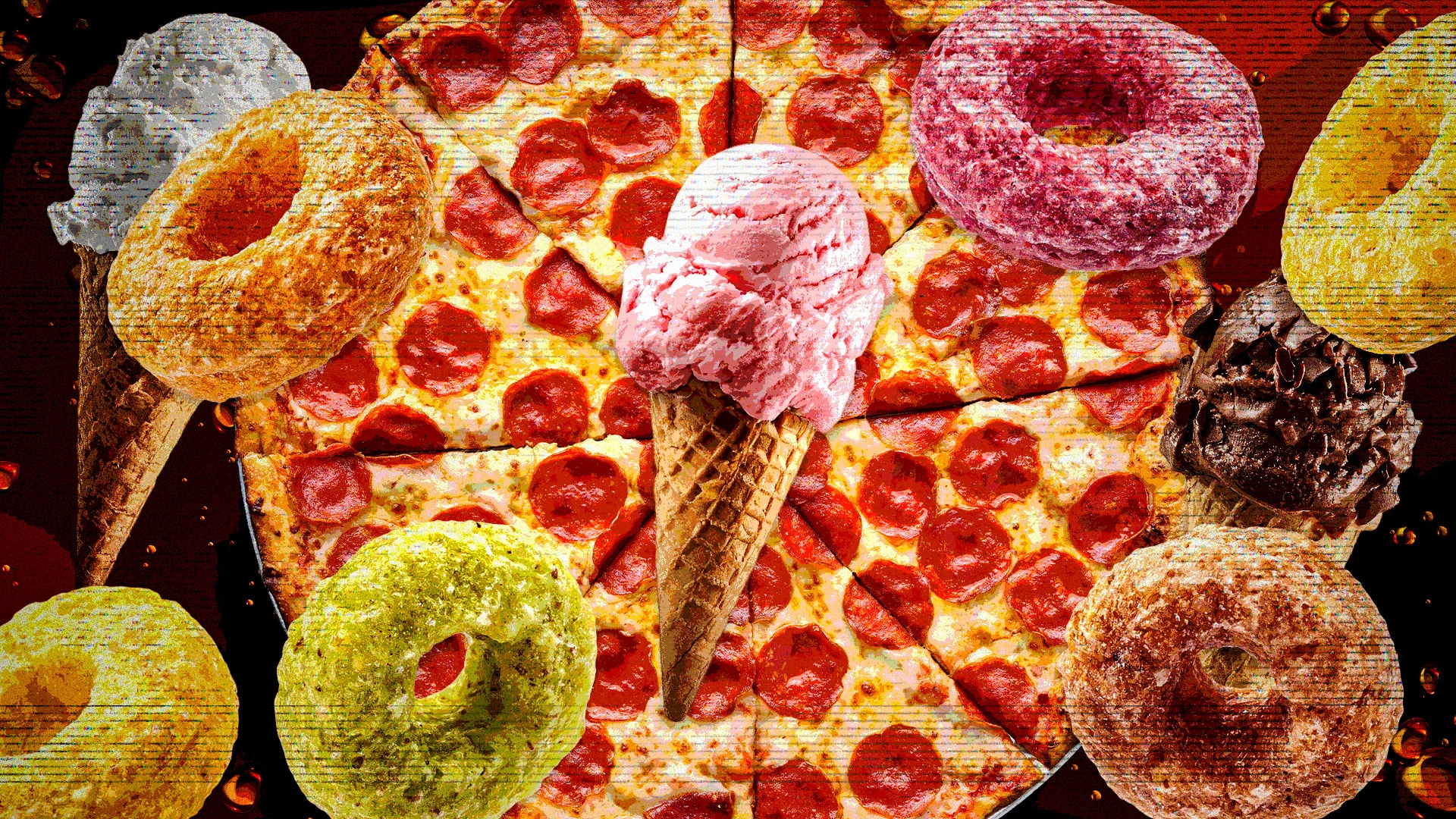
The UK-wide ban stops food and drinks high in fat, salt and sugar (HFSS) being advertised on TV before 21:00 and at any time online. It applies to products considered to be the biggest drivers of childhood obesity, including soft drinks, chocolates and sweets, pizzas and ice creams. The Food and Drink Federation (FDF) said it is committed to helping people eat healthily and has been voluntarily abiding by the new restrictions since October.
Whether it's investigating the financials of Elon Musk's pro-Trump PAC or producing our latest documentary, 'The A Word', which shines a light on the American women fighting for reproductive rights, we know how important it is to parse out the facts from the messaging. At such a critical moment in US history, we need reporters on the ground. Your donation allows us to keep sending journalists to speak to both sides of the story.
With Halloween approaching, many of our readers want to avoid contributing to the problem of childhood obesity in America-approximately 1 in 5 U.S. children and adolescents now have obesity-or child labor on cacao plantations around the world. Recent reports show that 1.56 million children are engaged in child labor on cocoa farms in Côte d'Ivoire and Ghana, which together produce nearly 60% of the world's cocoa.
the U.S. cereal market was worth over $13.5 billion in 2024 (per Grand View Research. While many of us grew up with Toucan Sam, Lucky the Leprechaun, Count Chocula, and other iconic food brand mascots, those colorful characters aren't welcome everywhere - at least, not anymore. Even seemingly harmless Kellogg's Corn Flakes have been banned in some countries, partly for health reasons and partly because of its mascot, Cornelius the Rooster.
From reproductive rights to climate change to Big Tech, The Independent is on the ground when the story is developing. Whether it's investigating the financials of Elon Musk's pro-Trump PAC or producing our latest documentary, 'The A Word', which shines a light on the American women fighting for reproductive rights, we know how important it is to parse out the facts from the messaging.