Glass demands immediacy. Working at temperatures above 2,000°F leaves little room for overthinking, so the process becomes a kind of live dialogue between material, colour and chance. That same immediacy informs what I'm drawn to as a collector: works that carry a decisive gesture, a tactile presence, and the feeling that they could only exist in one form.
From unassuming hunks of Carrara marble and limestone, Matthew Simmonds carves realistic, miniature gothic cathedral arches, stairwells, and colonnades. Often based on architectural details of real places, such as cities around Tuscany and Germany's Bamberg Cathedral, the sculptures portray intimate details of corners, vaulted ceilings, arcades, and stairwells that can sometimes be peeked through additional apertures.
Rather than representing a simple return to the past, this renewed interest reflects a broader reconsideration of how architecture engages with materials, local resources, and environmental conditions.
The contemporary technology museum has emerged as a performative participant in the systems it seeks to document. The architecture of these institutions has become increasingly fluid and bold, often mirroring the velocity and complexity of the systems it houses. They operate as mediators between the human, the ecological, and the technological realms, transforming from encyclopedic warehouses into active educational engines.
Baqiao bridges, including the nearby Shisanba Bridge, typically appear in areas where the difference between river level and embankment is relatively small. Their upstream piers are shaped like tapered spindles with slightly raised tips, creating a distinctive structural profile. Stone slabs span between the piers, forming a bridge deck assembled through interlocking construction methods.
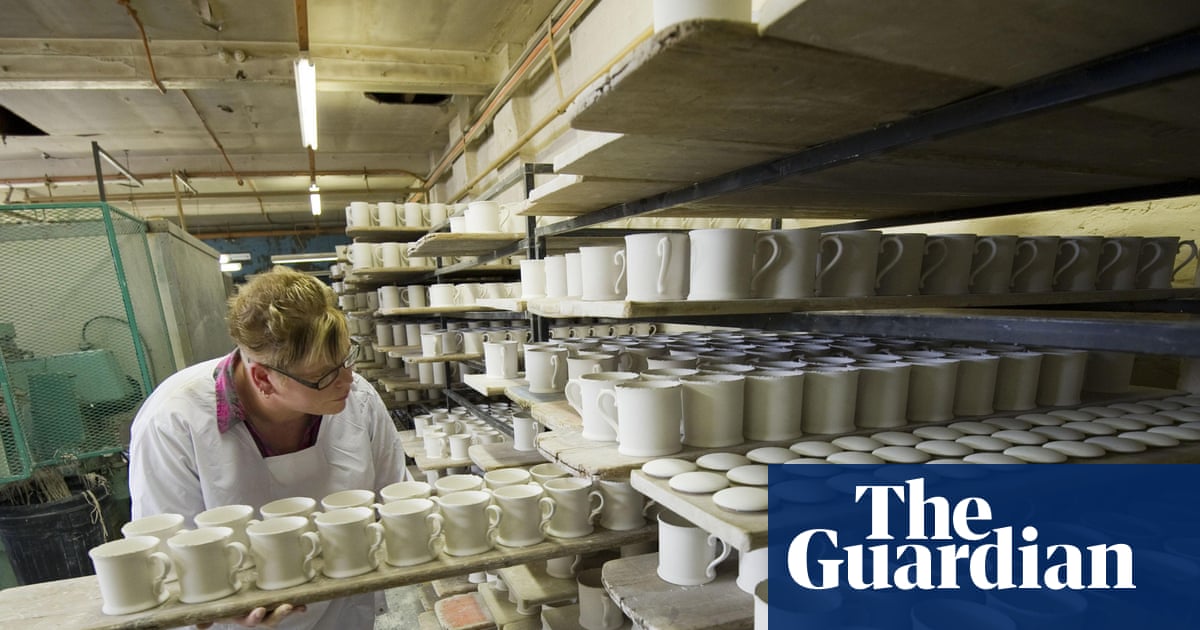
It is not about reproducing the past but about engaging in dialogue with it. We apply the same level of care and rigor to all pieces. Many of our utilitarian pieces have a strong sculptural quality, and several of the more artistic works originate from everyday forms and functions. We do not establish rigid boundaries between these categories; all are part of the same vision.
Each piece begins with used coffee pods collected from my community, materials that were never meant to last beyond a single use. Before any design work begins, the pods must be cleaned, sanitized, flattened, cut, folded, and shaped entirely by hand. They arrive dented, stained, and inconsistent, carrying the marks of their previous life. Learning how to work with those imperfections, rather than erasing them, was one of my first challenges.
Traveller check into hotels for easy access to historical Mayan sites and the cenotes beyond, with ambles through colourful squares and late, balmy nights digesting feasts over tequila tipples. Between cultural excursions and natural wonders, however, there's much to be said for the artisans in these parts. From crafted perfumes to handmade chocolates, these are the gifts and trinkets to make space for in your luggage.
In order to create a unique visual language for the single, Julia embarked on a three-month-long project of handcrafting and painting 300 individual ceramic tiles to make up the music video frames, each with their own beautiful irregularities and imperfections in glaze. Structured in grids of twelve, these tiles were swapped out like puzzle pieces in the final stop motion, using zoetropes and evolving motifs to follow "the meditative rhythm of the song through repetition, noise, and texture", the artist says.
Double Fine has been on a tear with its smaller projects lately. The popular indie game developer is following up last year's atmospheric adventure game with a new title in a totally different direction. As its Double Fine founder Tim Schaefer attempted to say five times fast during today's Xbox Developer Direct, is an "online multiplayer pottery party brawler" that boasts exactly the sort of colorful, clever fun that fans have come to expect from the studio.
The advertising industry has always been in the business of making things, such as the OOH billboard, the 30-second spot, the snappy social post, the standard website: final, finite assets polished and pushed into the world. Agencies were paid, often by the hour, for producing final versions of these things and then moved on to the next project. Even with generative AI entering the picture, much of the conversation remains focused on making those same things faster or cheaper.
Sand Art is a game by Kory Jordan and published by 25th Century Games for two to four players ages 10 and up. It takes about an hour to play, and has you collecting resources and then coloring in a bottle, making art in a bottle out of sand, in case the name didn't give away the plot. Gameplay Overview: Sand Art has you gathering and mixing sand, which is used to fill your bottle.
The Irish government will give 2,000 artists unrestricted weekly stipends in a program officials described as a "recognition, at government level, of the important role of the arts in Irish society." After a successful three-year pilot, the Irish government made its basic income program for artists permanent. Similar pilots have been launched here in the United States, but they're supported primarily by the nonprofit sector.
Tons upon tons of these single-use plastics end up in landfills or even floating in the ocean. Spanish design firm PET Lamp set out give another purpose to these otherwise short-lived materials. Partnering with artisans in communities from Chile to Ethiopia to Australia, the company celebrates both Indigeneity and sustainability, drawing upon time-honored global craft traditions while supporting local economies and recycling discarded materials.
Tattoos and fermentation rarely appear in the same conversation, yet across the world, they share a quiet kinship. Both are practices of transformation, crafts that reshape raw material over time through care and relationships to the land, the spiritual, and the community. Tattooing inscribes identity and ancestry onto skin, while fermentation preserves, nourishes, and binds communities through shared taste and ritual. Both create change, brewing something more than themselves through embodied knowledge passed between generations.
When was the last time you saw an ashtray filled with stubbed-out Marlboros at a friend's apartment? At a restaurant? For some of us, the answer may very well be "never." Maybe that's the charm of the International Museum of Dinnerware Design's new exhibition on ashtrays - invoking an era before health codes and Mayor Bloomberg. Or reaching back even further, when you might see a Similac-branded ashtray in the office of your OB/GYN.
Kulhads, also known as terracotta mud cups, once defined the everyday ritual of tea at railway stations across India. Used briefly and discarded soon after, they accumulated along tracks and coastlines, leaving a quiet record of consumption. For this pavilion, more than 18,000 of these cups were gathered from local communities in Dharavi and reused as a building material with structural purpose.
Wild Souls is a clean-eating venue designed by studiomateriality and located at the corner of two busy streets in the Kolonaki district of . Positioned within a dense urban context, the project integrates into the city's daily movement while establishing a clear architectural identity at the street corner. The exterior is fully clad in terracotta tiles, giving the building a consistent material presence on all visible .
From a single material, a Hyderabad-based design studio creates a wide range of site-specific installations, furnishings, and decor. It's all in the name of the firm, The Wicker Story, which was founded in 2019 by architect Priyanka Narula. Capable of being formed into everything from abstract constructions to functional objects, the natural material lends itself a huge variety of pieces that vary in size and complexity.
Accessible from three sides, the booth is shaped by approach and visibility rather than a single frontal orientation. The primary entry is marked by an angled portal set back from the site edge, establishing a layered visual field rather than an immediate overview. From this offset threshold, overlapping planes of tiles, textures, and color unfold gradually, encouraging movement through depth rather than direct access.