Cooking
fromTasting Table
1 hour agoThe Pizza Topping You Should Never Order (Just Add It At Home Instead) - Tasting Table
Exploring diverse pizza toppings, especially onions, enhances flavor combinations and personalizes the pizza experience.
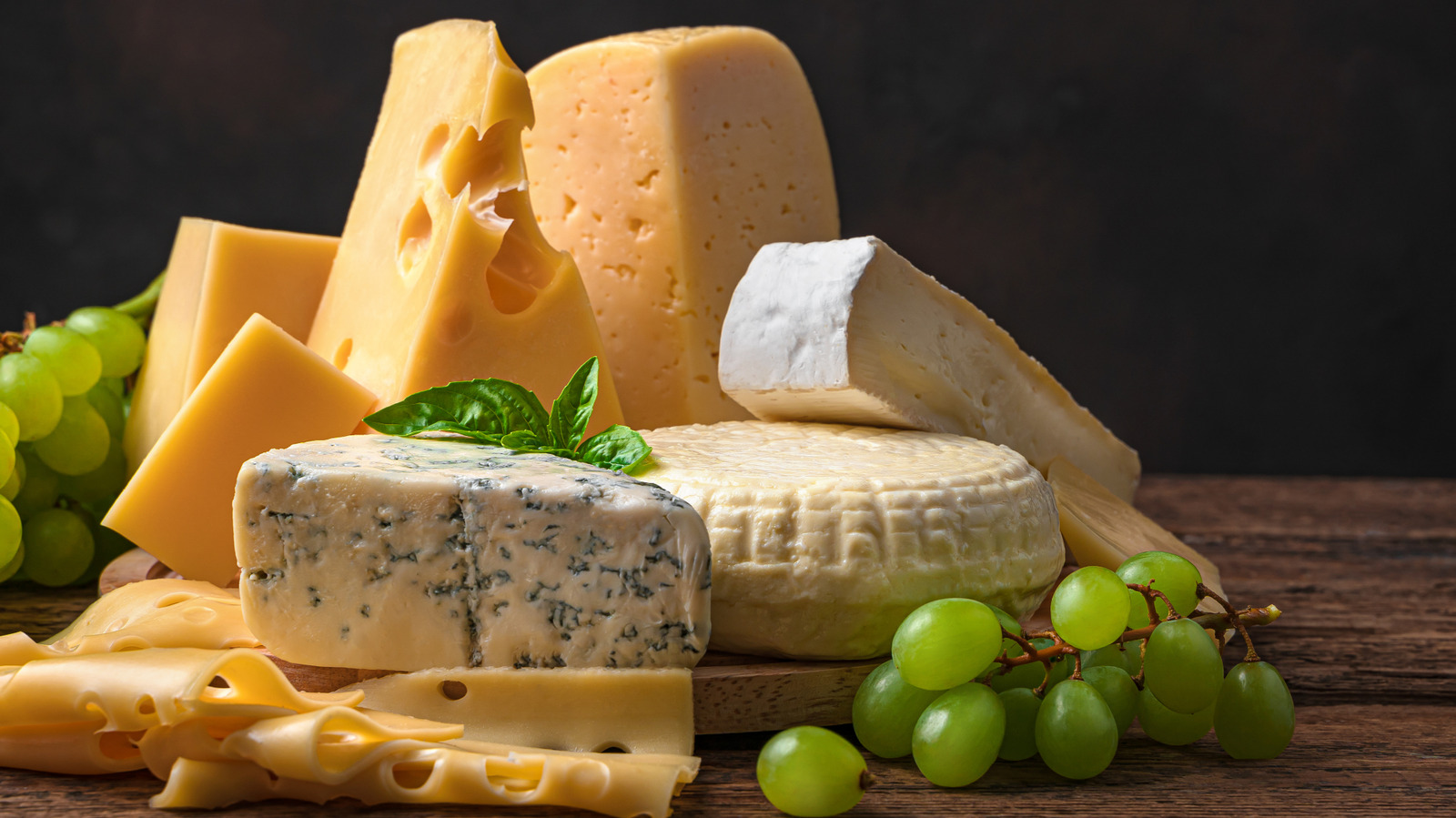
Kerrygold's Reserve Cheddar boasts immediately eye-catching packaging - the black wrapping with gold accents screams sophistication. Texturally, I found this cheese to be a bit flakier than some of the rest, but it didn't sacrifice the creamy mouthfeel that's characteristic to nearly all of these cheeses.
I use a lot of vermouth actually. Obviously it's a fortified wine and so therefore it has a lot of flavor. When I'm doing pastas, for example, I'm using white vermouth sometimes. If I'm doing a seafood pasta with clams, it's amazing. People are like, 'What's that flavor in there?'
I've been getting requests for a blue cheese dressing recipe ever since I shared these buffalo cauliflower wings a few years ago. After testing and tweaking this one with various ratios of mayo, buttermilk, and sour cream, I'm happy to report that it works perfectly as a dip for wings or veggies. With a little more buttermilk (or regular milk) stirred in, it becomes a flavorful, pourable salad dressing too.
Gently warmed milk is separated into curds with rennet, then inoculated with Penicillium candidum (sometimes called P camemberti), which gives it that characteristic flavour and white mould rind. It's then transferred to moulds, salted and ripened for a month or longer.
Pecorino Romano is one of the oldest cheeses in the world, with roots going back to Ancient Rome. But today, most of it is no longer made near Rome at all. In this episode, we visit I Buonatavola, one of the very last producers still making Pecorino Romano in Lazio, the cheese's original territory, to understand how global demand, especially from the United States, reshaped where and how this cheese is made. We explore the differences between Pecorino Romano made in Rome and the versions
Don't be intimidated by fresh mushrooms. They are prized for their flavor and versatility. Look for firm mushrooms that are free of soft spots or mold. Wash them just before using them but be sure to store them unwashed. Never submerge in water to wash them because mushrooms absorb like a sponge and become mushy. Wipe with moist paper towels. Some prefer to clean them with a soft-bristled mushroom brush. If extremely dirty, they can be very briefly dunked into cold water and wiped dry.