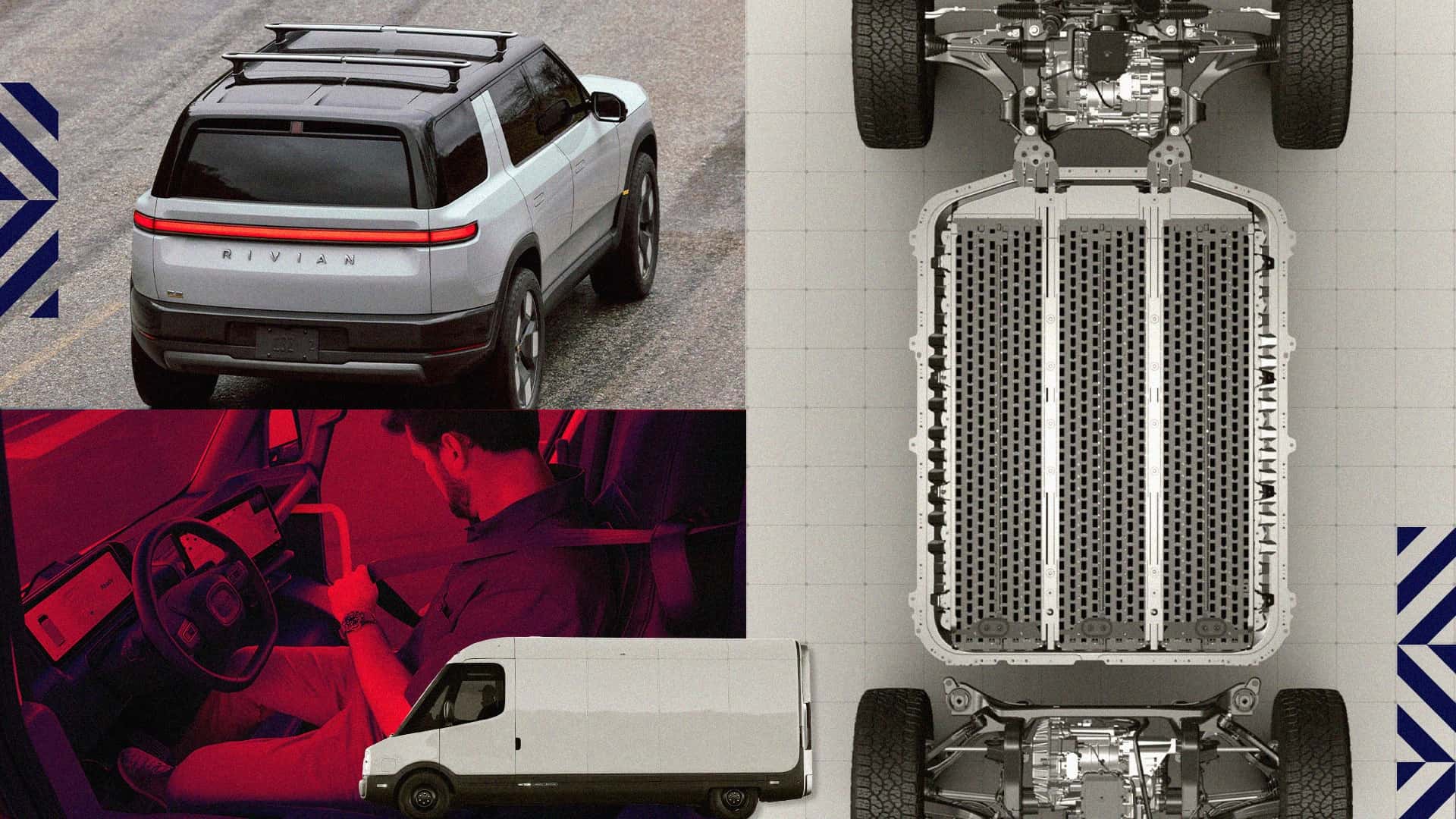
CATL says its new 5C batteries will retain 80% of their capacity after 1,400 charge-discharge cycles at 140F (60C). With a theoretical range of 372 miles (600 km) per cycle, that works out to a total of 522,000 miles (840,000 km) in what CATL describes as Dubai summer heat. At a milder ambient temperature of 68F (20C), which is closer to the ideal operating temperature for lithium-ion batteries,
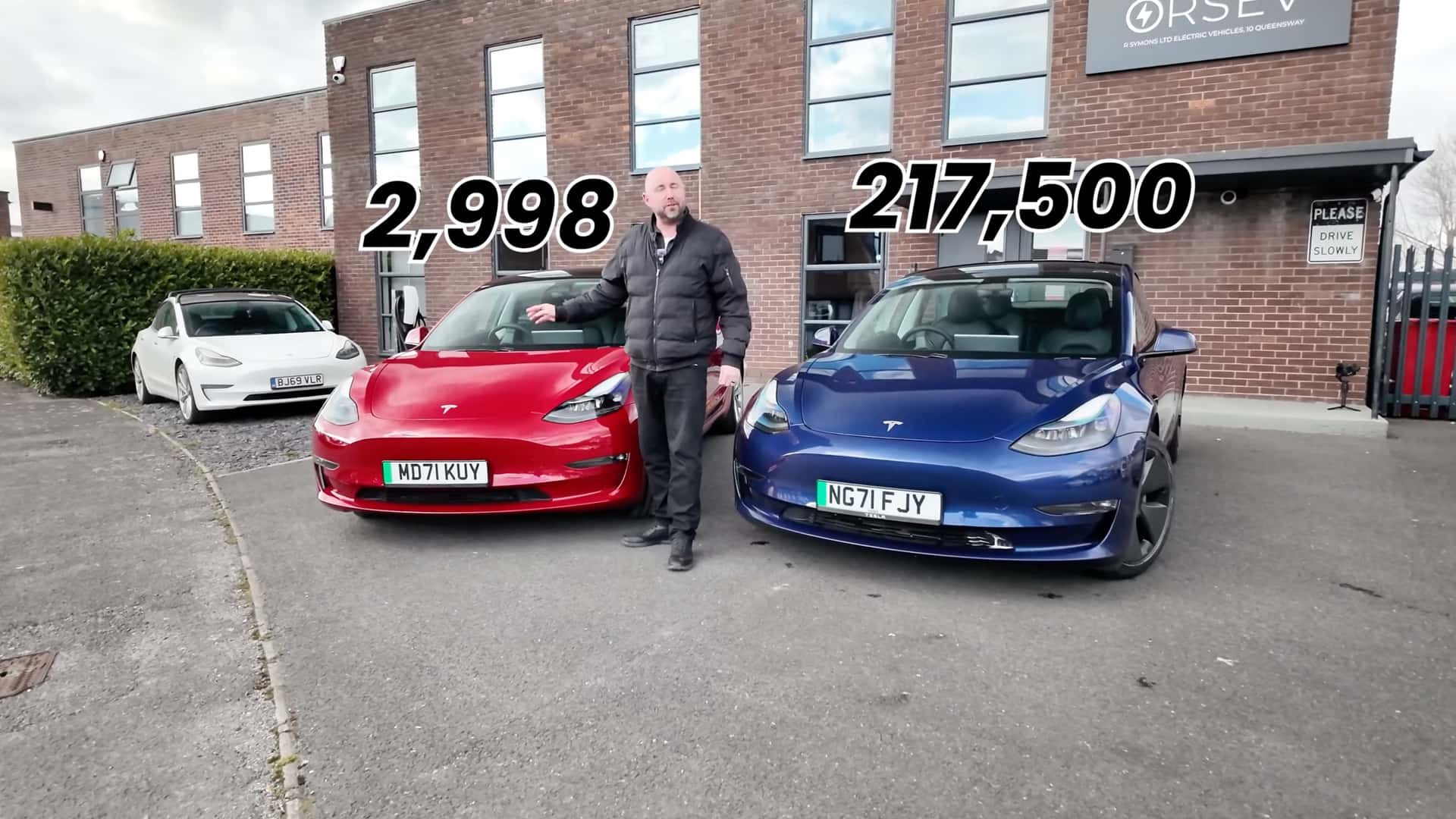
Battery degradation on high-mileage EVs is not as big a deal as some might make you believe. Real-world data shows that EVs with over 150,000 miles are still going strong, with minimal degradation. Older EVs are more affected by high mileage, but technology has made newer models more resilient. Battery degradation is inevitable, but new research shows that EV owners should just keep driving their cars without worrying about what happens with the thousands of cells that live in their cars' floors.
It's called the Dectravalve and it can be fitted to any battery, no matter the chemistry. The device can independently cool or heat up to four independent battery zones with no cross-flow and a single inlet. Keeping an electric car's battery in the right temperature zone is essential. That's why almost all new EVs have some sort of heating and cooling system that ensures the battery can be fast-charged safely and that it will deliver as many miles of range as possible, whatever the weather.
Earlier this year, Google introduced a Battery Health Assistance feature for the Pixel 9a. Since lithium-ion batteries degrade over time, Google explained in dedicated to the feature, it's actually beneficial for your battery to limit its capacity once it hits a certain number of charging cycles. This means that, over time, your phone will have a little shorter battery life each day and slower charging in return for a longer lifespan overall.