#ballistic-missiles
#ballistic-missiles
[ follow ]
#iran #north-korea #ukraine #regional-security #israel #us-military #middle-east-conflict #iran-nuclear-program
#iran



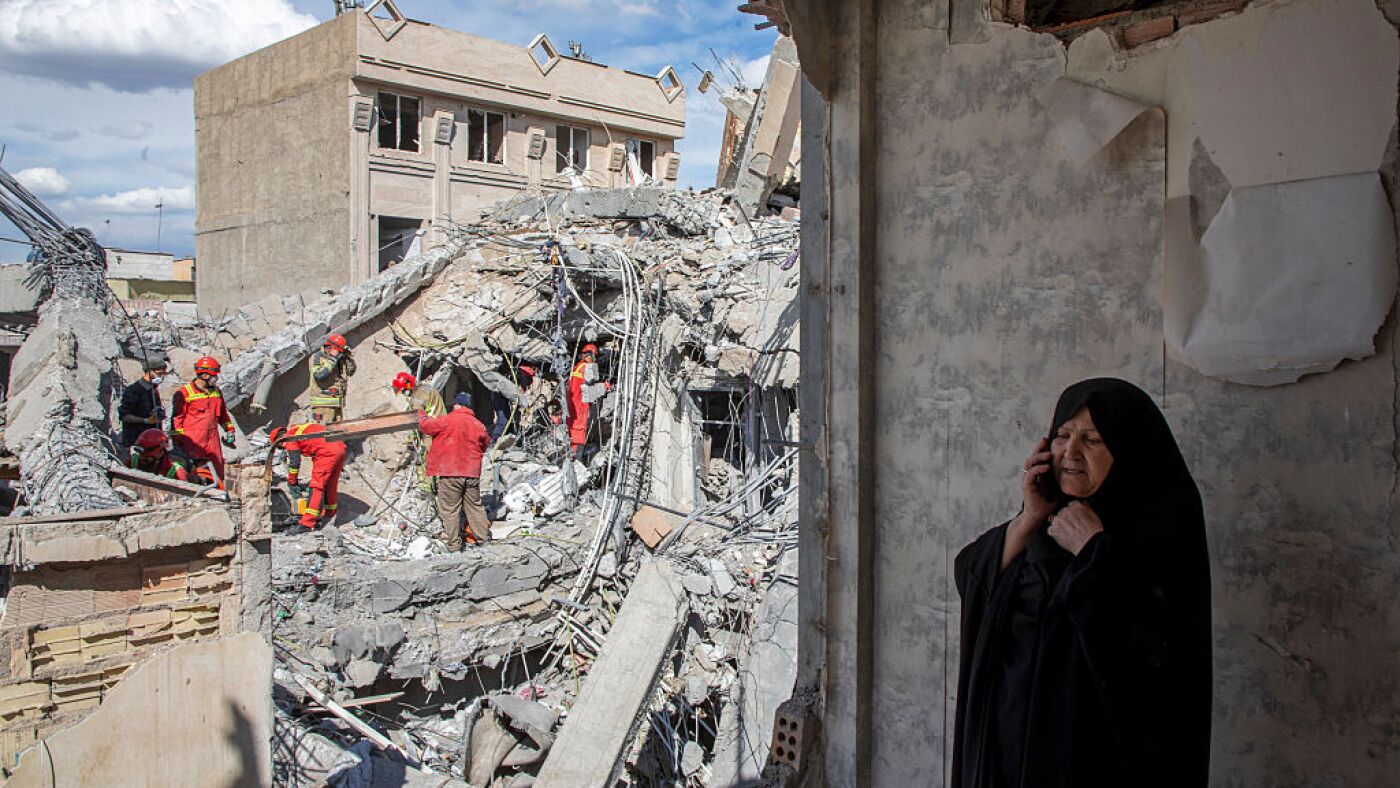
World news
fromLondon Business News | Londonlovesbusiness.com
1 month agoUS delivers 15-point peace plan to Iran via Pakistan amid Middle East crisis - London Business News | Londonlovesbusiness.com
The U.S. proposed a 15-point plan to Iran to de-escalate conflict, focusing on nuclear and missile programs, with Pakistan as the mediator.
World news
fromFortune
1 month agoThe Indian Ocean base targeted by Iran is 'an all but indispensable platform' for U.S. security operations in the Mideast, South Asia and East Africa | Fortune
Iran launched missiles at Diego Garcia, a U.K.-U.S. military base, prompting condemnation from Britain after the unsuccessful attack.
World news
fromLondon Business News | Londonlovesbusiness.com
1 month agoUS delivers 15-point peace plan to Iran via Pakistan amid Middle East crisis - London Business News | Londonlovesbusiness.com
The U.S. proposed a 15-point plan to Iran to de-escalate conflict, focusing on nuclear and missile programs, with Pakistan as the mediator.
World news
fromFortune
1 month agoThe Indian Ocean base targeted by Iran is 'an all but indispensable platform' for U.S. security operations in the Mideast, South Asia and East Africa | Fortune
Iran launched missiles at Diego Garcia, a U.K.-U.S. military base, prompting condemnation from Britain after the unsuccessful attack.


#iran-military-capabilities


World news
fromwww.mediaite.com
1 week agoCIA Finds Iran Can Survive Strait Blockade for Months: Rprt
A CIA analysis concludes Iran can survive a Strait of Hormuz blockade for three to four months and retains significant ballistic missile capabilities, contradicting Trump administration claims of military decimation.
World news
fromLondon Business News | Londonlovesbusiness.com
2 weeks agoMilitary experts warn UK is 'critically exposed' to ballistic missile attack - London Business News | Londonlovesbusiness.com
Britain lacks an independent ballistic missile interception capability, relying heavily on allied protection for national defense.
#north-korea



Russo-Ukrainian War
fromwww.businessinsider.com
1 month agoNorth Korean ballistic missiles were made with outdated methods from up to 50 years ago: Ukraine MOD
North Korean ballistic missiles KN-23 and KN-24 utilize outdated production methods and commercial electronics, impacting their efficiency and design.



fromwww.bbc.com
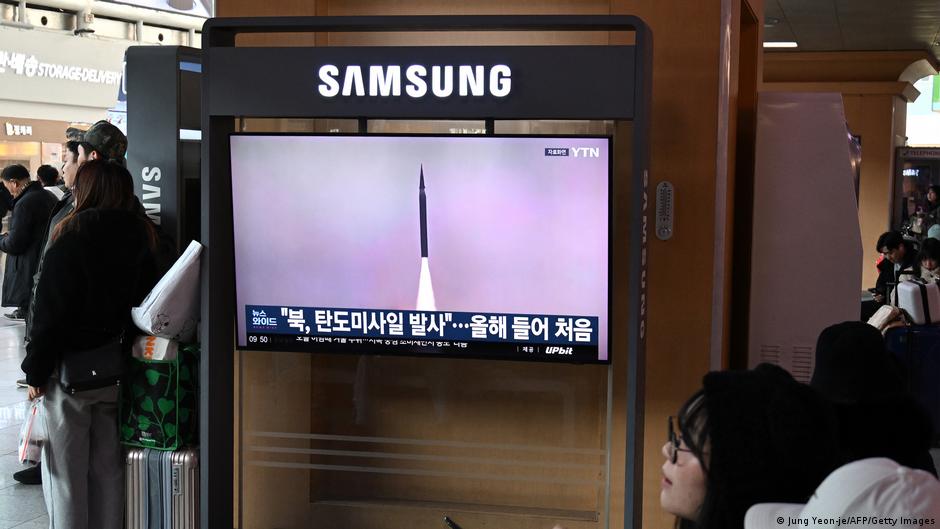
1 month agoForeign secretary denounces 'reckless Iran threats' after missiles fired at Diego Garcia
The foreign secretary reiterated the UK government's position, stating, 'As the prime minister has made clear we will provide defensive support against these reckless Iranian threats but we have not been - and we continue not to be - involved in offensive action.'
World news
fromwww.aljazeera.com
2 months agoTurkiye says NATO defences intercepted third missile from Iran
A ballistic munition launched from Iran and entering Turkish airspace was neutralised by NATO air and missile defence assets deployed in the eastern Mediterranean, a ministry statement said on Friday. NATO confirmed the latest development. NATO remains vigilant and stands firm in its defence of all allies, NATO spokesperson Allison Hart said.
Europe news
fromwww.mediaite.com
2 months agoFox News Captures Israeli Missiles Intercepting Attacks Live On Air
Right before our first report on your show, I mentioned the as we hear several explosions now we heard of incoming Iranian ballistic missile fire into central Israel. Then there was a second wave into southern Israel. Now Tel Aviv. So this appears to be quite a sizeable wave coming from Iran.
Women in technology
World news
fromwww.aljazeera.com
2 months agoTrump says Iran war projected to last 4 to 5 weeks, could go far longer'
Trump justified military action against Iran citing long-term threats from ballistic missiles and nuclear development, shifting from claims of immediate danger to characterizing Iran as a potential future threat.
Miscellaneous
fromRadioFreeEurope/RadioLiberty
2 months agoUS Says Iran Rejected Nuclear Offer Before Preemptive Strikes
The United States conducted preemptive military strikes against Iran due to intelligence indicating imminent Iranian missile attacks and failed nuclear negotiations over Iran's weapons programs.
#iran-israel-conflict


World news
fromwww.mediaite.com
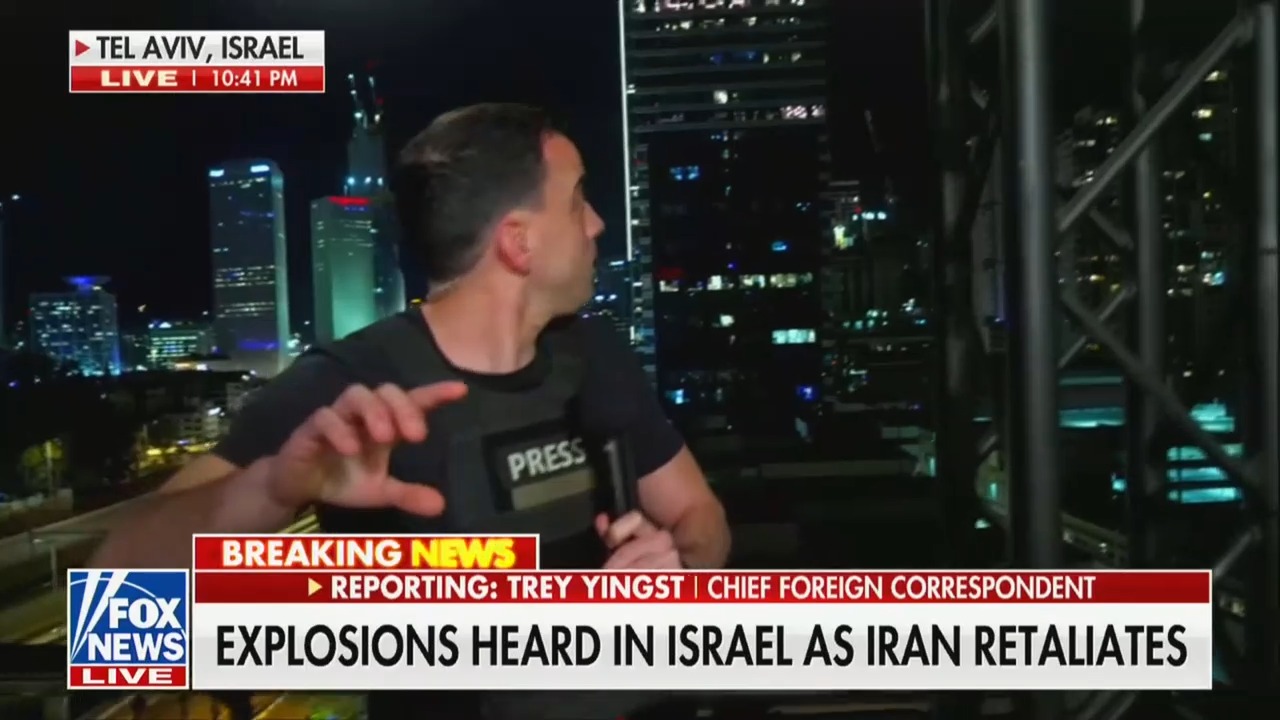
2 months agoWe Got To Move': Fox's Trey Yingst Scrambles for Safety as Massive' Iranian Missile Strike Rocks Tel Aviv Live on Air
Iranian ballistic missiles struck Tel Aviv while Fox News reporter Trey Yingst was broadcasting live, forcing him to seek shelter as explosions impacted Israel's second-largest city.
fromwww.mediaite.com
2 months agoThis Is Going To Escalate Big Time!' CNN's Wolf Blitzer Punches In For War Duty Saturday Morning
Over the course of the last seven hours, we witnessed initially Israeli and U.S. strikes in Iran, which, as we understand it, are very much still ongoing. And that was quickly followed by Iranian retaliation. Within two hours of Israel announcing that it was carrying out strikes in Iraq, Iran fired its first volley of ballistic missiles towards Israel, sending millions of people in this country rushing to bomb shelters.
World politics
US politics
fromwww.theguardian.com
2 months agoTrump advisers scramble to justify US military intervention in Iran
Trump's justification for potential military intervention against Iran lacks evidentiary support, contradicting US intelligence assessments that Iran requires a decade to develop intercontinental ballistic missiles capable of reaching the US.
fromwww.aljazeera.com
2 months agoOman's foreign minister meets with US's Vance as Middle East tensions rise
Al Busaidi, a key mediator in ongoing talks between the US and Iran, met with Vance in Washington, DC on Friday. He said the nuclear negotiations have so far achieved significant, important, and unprecedented progress, according to the Oman News Agency.
US politics


World news
fromwww.aljazeera.com
3 months agoNetanyahu calls for dismantling Iran's nuclear programme in any US deal
Any prospective US–Iran deal must remove enriched material, dismantle Iran's enrichment infrastructure, resolve ballistic missile capabilities, and allow sustained, effective inspections.
fromBusiness Insider
3 months agoUkraine is feeding intel to Patriot interceptor makers as Russia mixes up its missile attacks, lawmaker says
Russia often mixes up how it attacks Ukraine with ballistic and cruise missiles - from firing decoys to tweaking trajectories midflight - and Kyiv says it's funneling that battlefield intel to US Patriot interceptor makers to inform upgrades for better performance. "They are trying to use different tactics and make some adjustments for their ballistic missiles," Yehor Cherniev, the deputy chairman of the Ukrainian parliamentary committee on national security, defense, and intelligence, said of the Russian strikes.
Careers



Miscellaneous
fromwww.theguardian.com
4 months agoUkraine war briefing: Nightfall Britain races to develop ballistic missile for Kyiv
Britain will develop Nightfall ground-launched ballistic missiles for Ukraine: 200kg warhead, >500 km range, rapid multiple-launch capability, delivery within 12 months.
World news
fromThe Cipher Brief
5 months agoThe Two-Front Nuclear Crisis: Iran, North Korea, and a New Era of U.S. Deterrence
Iran and North Korea maintain a four-decade alliance that could lead to nuclear collaboration, creating severe strategic, intelligence challenges for the U.S., South Korea, Israel.
fromwww.theguardian.com
6 months agoWhat is South Korea's monster missile', and what does it mean for relations with the North?
The Hyunmoo-5 is a ballistic missile weighing about 36 tonnes that can reportedly carry an eight-tonne warhead. It carries a bunker buster warhead, potentially able to reach deep underground to destroy heavily fortified bunkers where North Korean leaders might shelter in a conflict. It is understood to be about 16 metres long, and is designed as a surface-to-surface missile, capable of being launched from a mobile platform.
World news
fromThe Washington Post
8 months agoRussia bombs Ukraine almost every night. This is what it sounds like.
The air raid sirens screamed first, their wail cutting through the nighttime hush, keening danger. Then came the low whine of drones. Over cities of sleeping people, the Iranian-designed Shahed drones swarmed, their dark bellies crammed with explosives. At their approach, Ukraine's air defenses fired up, a stream of bullets disappearing into the stars, rat-tat-tat, followed by the bang of explosions. But still the drones came, too many to shoot down.
Miscellaneous
fromwww.aljazeera.com
8 months agoIndia-Pakistan missile race heats up, but China in crosshairs, too
India on August 20 announced that it had successfully test-fired Agni-V, its intermediate-range ballistic missile, from a test range in Odisha on its eastern Bay of Bengal coast. The Agni-V, meaning fire in Sanskrit, is 17.5 metres long, weighs 50,000kg, and can carry more than 1,000kg of nuclear or conventional payload. Capable of travelling more than 5,000km at hypersonic speeds of nearly 30,000km per hour, it is among the fastest ballistic missiles in the world.
World news
US politics
fromBusiness Insider
9 months agoRussia improved its missiles. Now, Ukraine's Patriots are struggling to consistently shoot them down, defense intel says.
Russia has enhanced its ballistic missiles with increased maneuverability, complicating interceptions by Ukraine's Patriot air defense systems.
fromwww.mediaite.com
11 months agoFox's Jennifer Griffin on How the U.S. is Likely Helping Israel to Shoot Down Incoming Iranian Missiles
It's been quite extraordinary that actually so few have gotten through. Now, of course, only one ballistic missile needs to get through the layered air defense system in order to cause terrible casualties and potential devastation.
US news
[ Load more ]