#athlete-protest
#athlete-protest
[ follow ]
#olympics #ukraine #skeleton-sport #freeskiing #ioc-neutrality #ioc #russian-invasion #ioc-disqualification


fromwww.npr.org
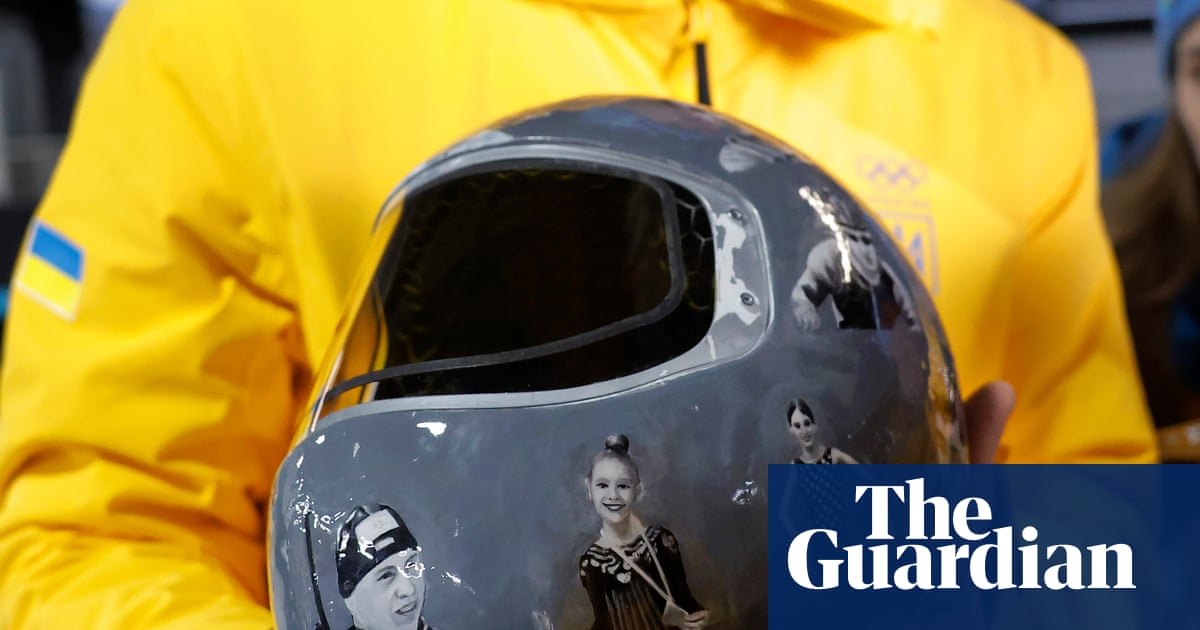
2 months agoUkrainians rally in support of Olympian Vladyslav Heraskevych, banned for his helmet
He insisted on wearing a helmet with images of Ukrainian athletes killed during Russia's full-scale invasion of Ukraine and was disqualified for refusing to replace it as The International Olympic Committee demanded. "This is price of our dignity," Heraskevych wrote on Instagram after learning he had been disqualified. Ukrainians supported him by posting photos on social media with the caption "Remembrance is not a violation," referring to the IOC decision that portraits of those killed in war constituted a political statement that is prohibited at the Olympics.
Miscellaneous
World news
fromwww.theguardian.com
2 months agoHeraskevych's helmet of memory' forces IOC into PR fiasco at Winter Olympics | Sean Ingle
Vladyslav Heraskevych prioritized honoring fallen Ukrainian athletes over complying with IOC restrictions by wearing a memorial helmet, accepting any resulting ban or sanction.
Skiing
fromwww.theguardian.com
2 months agoTeam GB's Matt Weston leads golden charge as skeleton rivals unite behind banned Ukrainian
Ukrainian skeleton racer Vladyslav Heraskevych had his Olympic accreditation revoked after refusing to compete without a helmet honoring compatriots killed in the Russian invasion.
fromwww.dw.com
2 months agoUkraine athlete Heraskevych: 'My Olympic moment was stolen'
I have repeated this from Day 1; I don't think it violates any rules. In accordance with Rule 50 we don't have any political propaganda, we don't have any racial propaganda, and we don't have any harassment towards anyone on this helmet. So I believe this helmet didn't (break) any rules," he said.
World news
Skiing
fromwww.mercurynews.com
2 months agoAn American skier is fighting to open up the last Winter Olympic sport off limits to women
Women remain excluded from Olympic Nordic combined despite elite female athletes and protests; IOC cites low participation and TV interest, risking the sport's Olympic future.
fromThe Nation
3 months agoIn a Year of Violent Tumult, the Sports World Was Silent
The great sports sociologist Dr. Harry Edwards has described athletes as "the canary in the coal mine," meaning that the politics and struggles in sports prefigure what will come elsewhere in society. Think of Jackie Robinson integrating baseball nearly a decade before the Montgomery bus boycotts or Billie Jean King signaling the coming of Title IX legislation by standing for women's liberation in a traditionally male and hostile space.
US politics
[ Load more ]