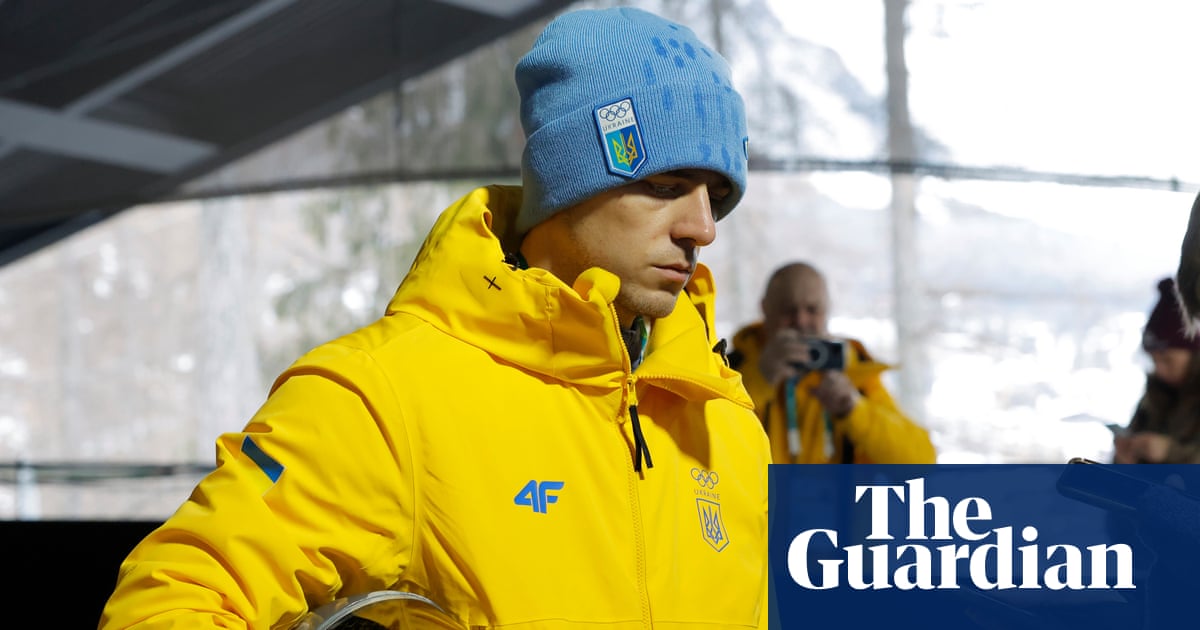
"So did anybody really believe that Ukraine's Vladyslav Heraskevych would lose his when the world's eyes were upon him? Not the International Olympic Committee, who flipped between threats of expulsion and sweet talk over the last fortnight, without coming close to changing his mind. And certainly not those of us who have spoken and messaged Heraskevych, and found a man utterly prepared to sacrifice his dream of winning a Winter Olympic medal for a higher purpose."
"And if the IOC barred from competing in his helmet of memory, which commemorates some of the 600 Ukrainian athletes and coaches killed by Russian bombs and bullets since 2022, he would accept his fate. And when the moment came, shortly before 8.30am on Thursday, he met it with a powerful but resolute message: This is price of our dignity, alongside a photo of his helmet. For the IOC it must have been like watching a public relations car crash from the passenger seat."
"Partly that was because Heraskevych's messaging was so clever and precise. He didn't focus on statements about Russian aggression. Instead he spoke powerfully of wanting to honour his fallen friends. That allowed him to claim his message didn't violate the IOC's rules banning political expression on the field of play. Did everyone believe it? No. But it was a deft sidestep."
Vladyslav Heraskevych, a Ukrainian Olympic-class skeleton racer, refused to yield to IOC pressure over a helmet bearing a memorial to some of the 600 Ukrainian athletes and coaches killed by Russian bombs and bullets since 2022. The IOC flipped between threats of expulsion and conciliatory language without persuading him. He emphasized honoring his fallen friends rather than making statements about Russian aggression and said he would accept a ban. Shortly before his race he posted 'This is price of our dignity' alongside a photo of the helmet. He argued the IOC applied its rules on political expression inconsistently.
Read at www.theguardian.com
Unable to calculate read time
Collection
[
|
...
]