#Sam Altman
#Sam Altman
[ follow ]
#sam-altman #openai #elon-musk #lawsuit #artificial-intelligence #statute-of-limitations #ai-industry



fromTNW | Artificial-Intelligence
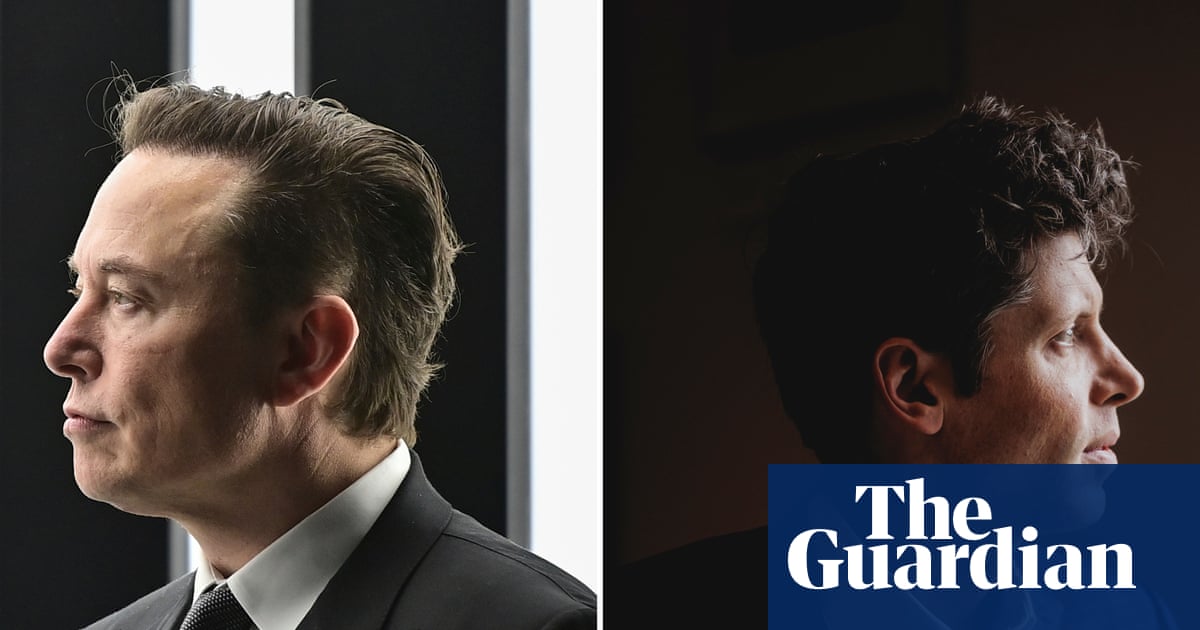
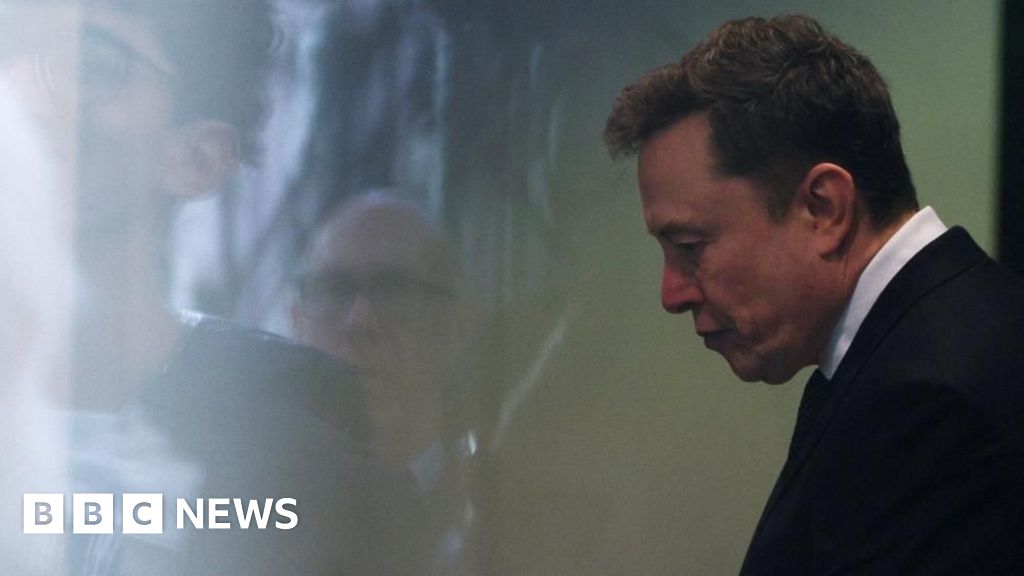
2 days agoElon Musk loses lawsuit against Sam Altman and OpenAI as jury finds claims were filed too late
A nine-person jury in Oakland unanimously found that Musk’s claims had been filed too late under the statute of limitations, ending the most consequential corporate governance trial in the history of artificial intelligence without reaching the merits of whether OpenAI's leaders had “stolen a charity.” The verdict is advisory, meaning Judge Yvonne Gonzalez Rogers of the Northern District of California will make the final determination on liability. But she indicated before deliberations began that she would very likely follow the jury's recommendation.
Law
fromTechCrunch
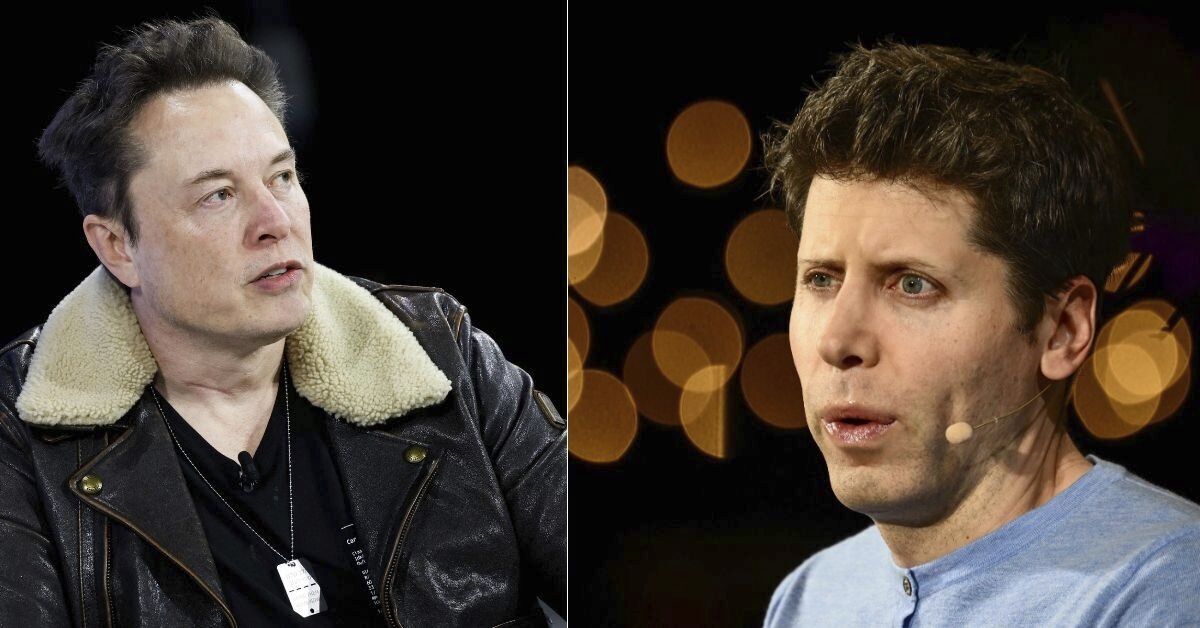
1 week agoWho trusts Sam Altman? | TechCrunch
“You didn't disclose to the United States Senate that you had an interest in OpenAI through a share in a Y Combinator fund, did you?” barked Steve Molo, the combative attorney leading Elon Musk's effort to shut down OpenAI's for-profit business. Altman had admitted that he did have economic exposure to OpenAI through his LP position in the Y Combinator fund. “I didn't mention it in that testimony, but, again, I think it is well understood of what it means to be a passive owner of many venture funds,” Almtan said.
Intellectual property law
Artificial intelligence
fromwww.theguardian.com
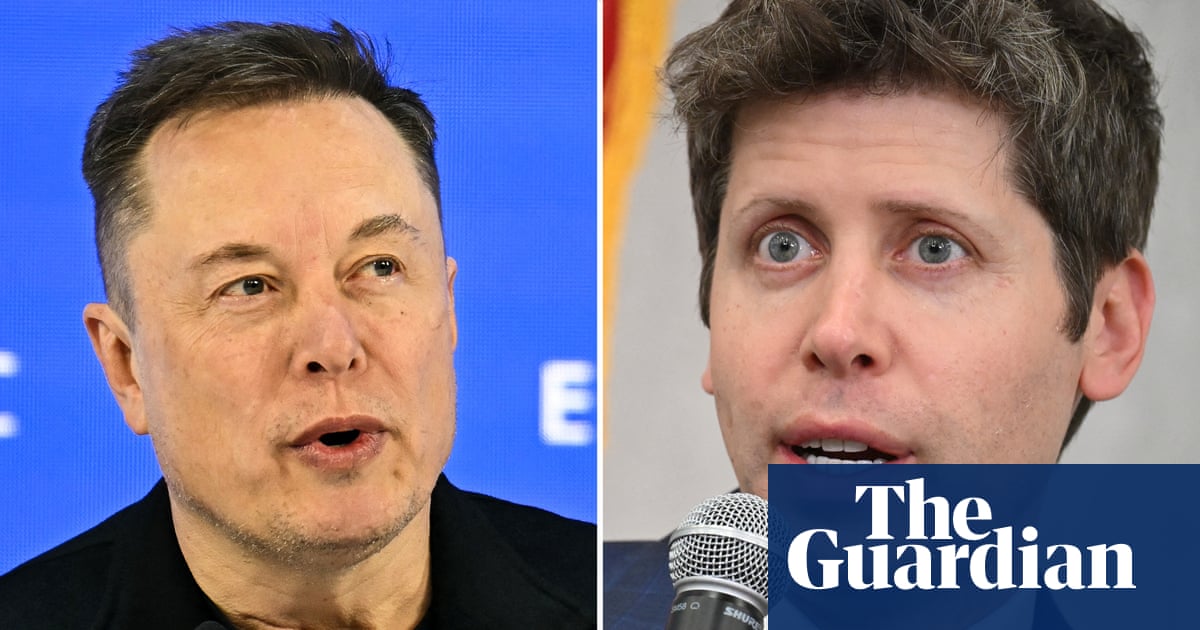
1 week agoA consistent pattern of lying': Musk v OpenAI trial exposes what insiders think of Sam Altman
OpenAI’s leadership and internal conflicts have become central in the Musk v OpenAI trial, with public testimony and records used to challenge Altman’s trustworthiness.
Silicon Valley
fromwww.businessinsider.com
1 week agoWhat the Musk-Altman courtroom clash reveals about two of the most powerful men in Silicon Valley
Musk’s testimony links AI safety concerns and funding decisions to leadership conflicts with Altman, including claims about “Terminator” risks and alleged personal conduct.
Tech industry
fromwww.businessinsider.com
1 week ago'Directionally very bad' has entered the lexicon, thanks to Sam Altman and Mira Murati
Text exchanges between Sam Altman and Mira Murati from OpenAI's 2023 leadership crisis became viral memes after surfacing in Elon Musk's $150 billion lawsuit trial.
#attempted-murder
SOMA, SF
fromTNW | Insider
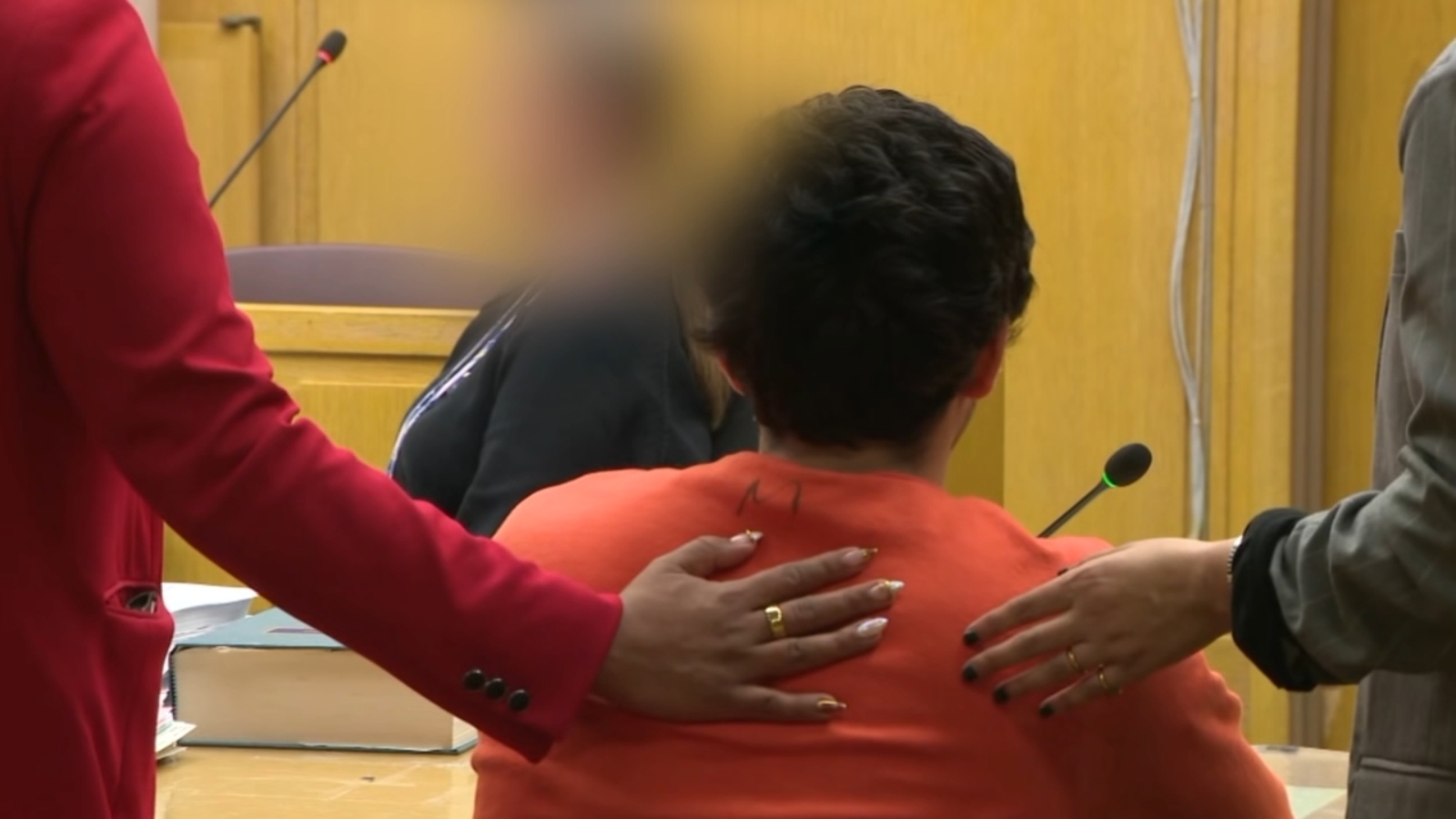
2 weeks agoMan who threw Molotov cocktail at Sam Altman's home and carried AI CEO kill list pleads not guilty to attempted murder
A 20-year-old pleaded not guilty to attempted murder after throwing a Molotov cocktail at Sam Altman's home and threatening OpenAI's headquarters.
SOMA, SF
fromTNW | Insider
2 weeks agoMan who threw Molotov cocktail at Sam Altman's home and carried AI CEO kill list pleads not guilty to attempted murder
A 20-year-old pleaded not guilty to attempted murder after throwing a Molotov cocktail at Sam Altman's home and threatening OpenAI's headquarters.
#sam-altman
Artificial intelligence
fromwww.businessinsider.com
2 weeks agoSam Altman's management quirk? DMing 'a few hundred' OpenAI employees every day
Sam Altman communicates directly with hundreds of OpenAI employees daily, emphasizing a hands-off management style while adapting to new challenges in the company's evolution.
Artificial intelligence
fromwww.businessinsider.com
4 weeks agoSam Altman opens up about the Molotov cocktail attack on his home: 'The way Anthropic talks about OpenAI doesn't help'
Sam Altman expressed concerns about the rivalry with Anthropic and its impact on safety after a violent attack on his home.
fromKqed
3 weeks agoHow to Unscramble an Omelet in Silicon Valley: The Musk v. Altman Trial That Will Try | KQED
The trial is slated to begin April 27, 2026, as a federal judge considers Musk's claim that Altman and OpenAI abandoned their founding promise to develop AI for the benefit of humanity.
Silicon Valley
[ Load more ]