#Presidential elections
#Presidential elections
[ follow ]
#democratic-party #trump #republican-party #midterm-elections #donald-trump #democrats #voting-rights





#trump
fromwww.mediaite.com
4 days agoUS Elections
Mark Halperin Insists There's Time for Trump to Fix the Problems by the Midterms' as Popularity Craters: He's Got a Great Sense of Instincts'
President Trump has time to regain support before the midterms, but faces significant challenges after the war against Iran.
US Elections
fromwww.mediaite.com
4 days agoMark Halperin Insists There's Time for Trump to Fix the Problems by the Midterms' as Popularity Craters: He's Got a Great Sense of Instincts'
President Trump has time to regain support before the midterms, but faces significant challenges after the war against Iran.
fromThe Nation
4 days agoHow Trump's Incompetence and Looming Global Catastrophes May Intersect
Forecasters now predict that the coming El Niño—a warming of the Pacific Ocean that deeply affects global weather patterns—is likely to be as severe as the one in 2023-2024, which triggered severe flooding and prolonged heatwaves around the world.
World news
fromNew York Amsterdam News
4 days agoBrooklyn Democratic district leaders navigating controversy as elections approach
Anthony Beckford, the District Leader for the 43rd Assembly District, stated, 'the party is the district leaders' and emphasized his commitment to supporting Black leadership despite the ongoing investigations.
Brooklyn
fromsfist.com
2 hours agoSaikat Chakrabarti's Big Ad Push Puts Him Five Points Behind Wiener In New Poll
Saikat Chakrabarti, the 40-year-old centimillionaire and former tech engineer, has been doing his utmost to gain some name recognition in San Francisco, seen as a longshot challenger to Nancy Pelosi.
SF politics



fromwww.mediaite.com
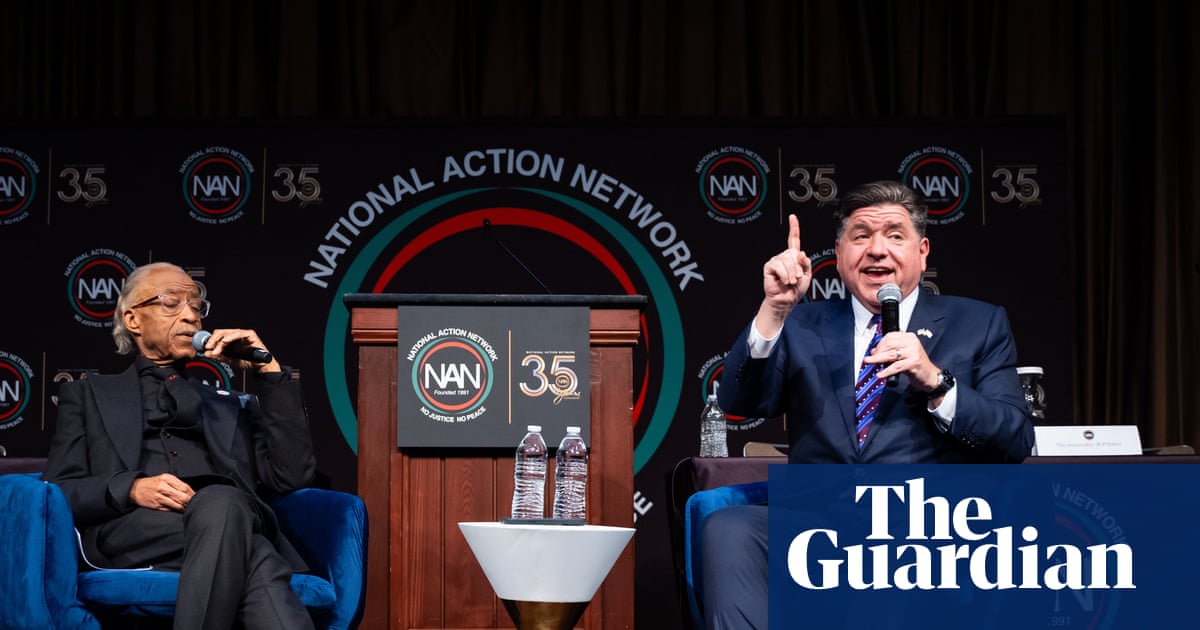
3 days agoTrump Was Going to Fire Tulsi Gabbard Last Week Until This MAGA Legend Stepped in to Save Her: Axios
Gabbard was loyal, gave congressional testimony in a professional manner and never disputed the president. Firing Gabbard would needlessly create a damaging news cycle for Trump.
US politics

fromThe Atlantic
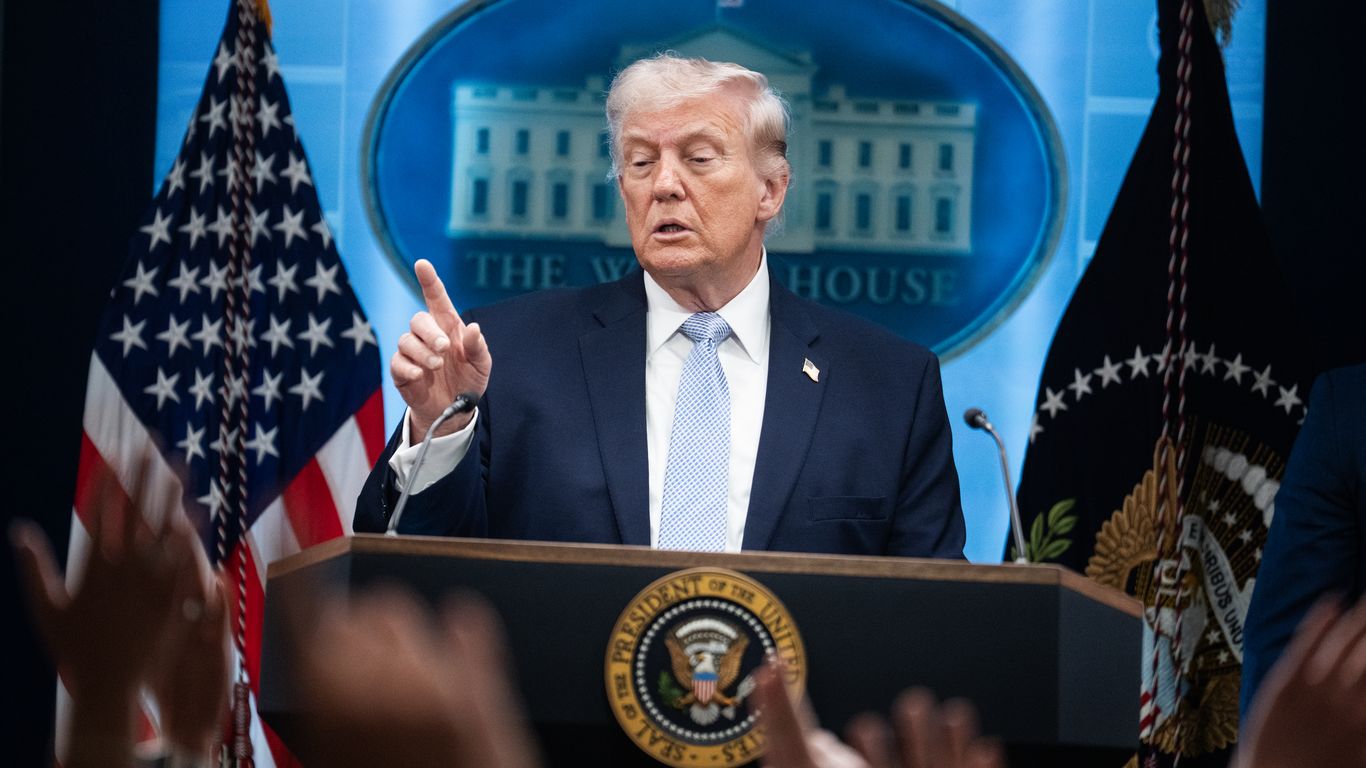
4 days agoThe Democratic Campaign That Begins With an Apology
State Senator Creigh Deeds declared, 'I believe that people should choose their representatives. Representatives shouldn't choose their people.' This statement underscores the traditional argument against gerrymandering, yet it serves as a prelude to the Democrats' call for aggressive redistricting.
SF politics
fromwww.mediaite.com
3 days agoTrump Denies Knowing About Melania's Epstein Presser Beforehand Amid CNN Report That He Got a Heads-Up
I reject their mean-spirited attempts to ruin my reputation, Melania Trump said of those spreading what she called rumors and mistruths about the nature of her relationships.
US politics
fromIntelligencer
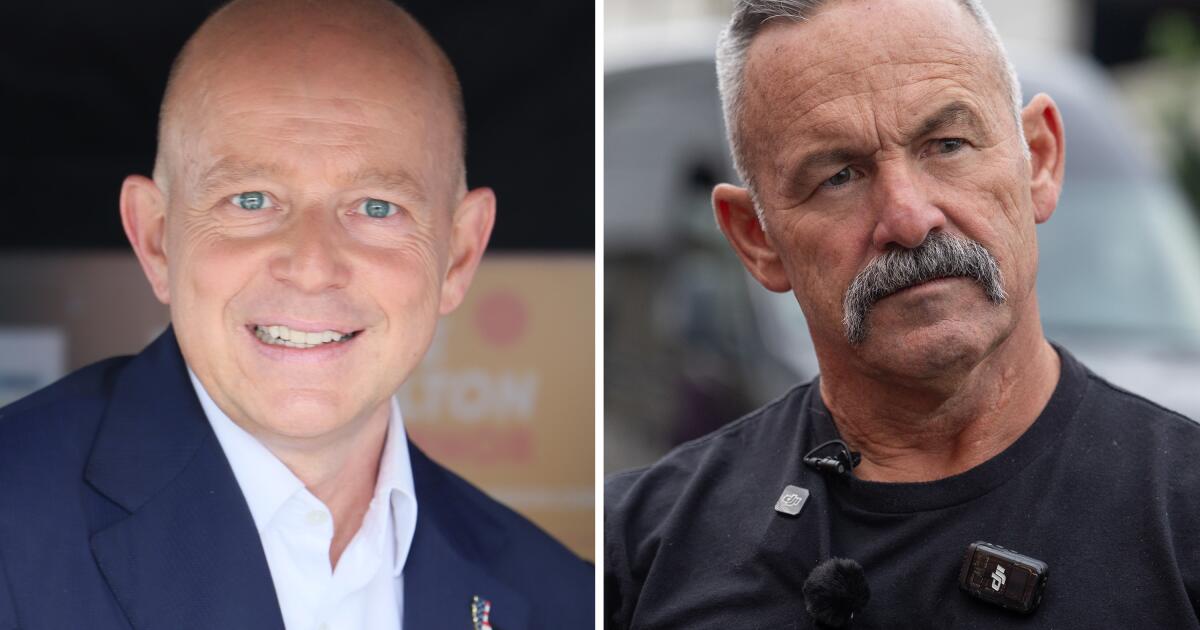
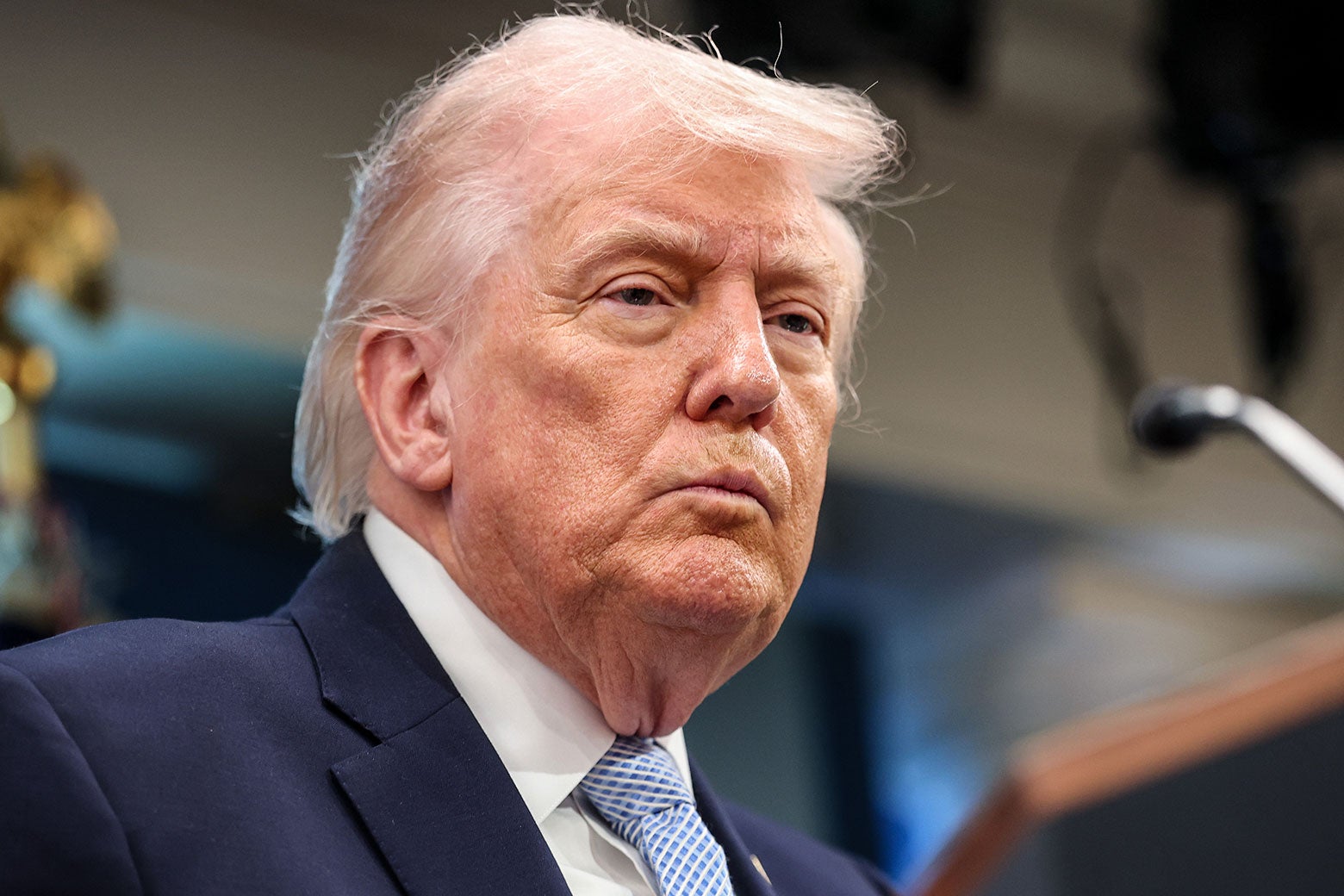
1 month agoTrump Has Handed the Democrats a New Winning Issue for the Midterms
Affordability has been, understandably, the watchword for Democratic candidates over the last year. After downplaying inflation under Joe Biden, the party learned a brutal lesson when Donald Trump rode the cost-of-living crisis back to the White House in 2024. In 2025, Zohran Mamdani put affordability at the center of his own campaign and surged from the back of the pack to City Hall.
US politics
fromLGBTQ Nation
1 month agoThe midterm primaries are turning out to be really bad news for incumbents - LGBTQ Nation
In perhaps a vain attempt to prove themselves moderate, the Democratic lawmakers helped override Democratic Gov. Roy Cooper's vetoes. Voters responded with the kind of ballot-box fury that should serve as a lesson to other incumbents. It wasn't just a case that the incumbents lost. They were buried, with several of them getting trounced by margins of 40 points or more.
US politics
US Elections
fromwww.npr.org
1 month agoTrump says he won't sign bills until Congress overhauls voting
President Trump threatened to withhold his signature on all bills until Congress passes the SAVE America Act, which would require voters to prove citizenship with documents like passports or birth certificates.
fromwww.theguardian.com
1 month agoFive ways Trump could try to tilt the midterm elections in his favor
They want to cheat, he said of Democrats. They have cheated. And their policy is so bad that their only way to get elected is to cheat. And we're going to stop it. Trump has put action to his long-debunked claims this year, with FBI agents seizing 2020 election documentation in Fulton county, Georgia, and the Department of Justice pursuing voter data from state elections officials across the country.
US politics
fromwww.mercurynews.com
2 months agoOpinion: The year's new political fault lines are already forming
The death of Renee Nicole Good, a 37-year-old mother and U.S. citizen who was shot and killed by an Immigration and Customs Enforcement agent in Minneapolis on Wednesday, has the potential to shake the political landscape in ways reminiscent of George Floyd's killing in 2020. The Trump administration initially claimed Good weaponized her vehicle in an act of domestic terrorism, an account that appears to be contradicted by video evidence.
US politics
fromwww.dw.com
2 months agoWhy Trump and his Republicans can't take over US elections
"It has been baked in that the states are largely in charge of the election process, and that the federal government can set or override rules for that process if they wish, but it's very specific that that has to be done through Congress and not through lone executive action," said Justin Levitt, a constitutional and law of democracy scholar at Loyola Law School who was a non-partisan policy adviser for Democracy and Voting Rights during the Biden White House.
US politics
fromLGBTQ Nation
2 months agoDonald Trump wants to nationalize elections. Americans overwhelmingly do not. - LGBTQ Nation
Donald Trump has called on the GOP to nationalize elections, which are currently run by states, as mandated in the Constitution. Many are alarmed by the president's words, considering his continued quest to consolidate power and his inability to accept the results of free and fair elections. In short, his desire to nationalize seems like a blatant effort to control their outcomes.
US politics
fromThe Nation
1 month agoThe Right Had a Plan. We Need One Too.
The New York Times recently reported that four conservative operatives spent the Biden years quietly building the legal and regulatory infrastructure to kill the federal government's ability to fight climate change. Russell Vought. Jeffrey Clark. Mandy Gunasekara. Jonathan Brightbill. They drafted executive orders. They got Heritage Foundation money. They solicited white papers from friendly scientists. They built the whole thing in secret so nobody could stop them before it was done.
US politics

fromThe New Yorker
2 months agoHow to Protect the 2026 Elections from Donald Trump
The Washington Roundtable discusses Donald Trump's threats to "nationalize" elections in fifteen states, the recent F.B.I. raid to seize 2020 voting records at an election facility in Fulton County, Georgia, and the ways in which the Administration might meddle with a free and fair vote in 2026. Their guest, Richard Hasen, is the director of the Safeguarding Democracy Project at U.C.L.A.'s School of Law.
US politics
[ Load more ]