#Human trafficking
#Human trafficking
[ follow ]
#human-trafficking #jeffrey-epstein #law-enforcement #sex-trafficking #criminal-justice #mohamed-al-fayed





#sex-trafficking

NYC parents
fromHuntington, NY Patch
1 month agoQueens Man Accused Of Trafficking Girls As Young As 14 Across LI, NYC: Feds
A Queens man was arrested and federally indicted on 12 counts for sex trafficking five victims, including three minor girls aged 14-17, across Long Island and New York City from 2021 to present.

NYC parents
fromHuntington, NY Patch
1 month agoQueens Man Accused Of Trafficking Girls As Young As 14 Across LI, NYC: Feds
A Queens man was arrested and federally indicted on 12 counts for sex trafficking five victims, including three minor girls aged 14-17, across Long Island and New York City from 2021 to present.
fromBoston.com
4 days agoSuffolk County corrections officer arraigned on child rape, human trafficking charges
Kielczweski was allegedly involved in 'numerous sexual assaults' and made child sexual abuse material (CSAM) of a 15-year-old boy, police and prosecutors said in a press release on Facebook.
Boston food
fromenglish.elpais.com
3 weeks agoCuba's medical missions accused of modern slavery'
The IACHR expresses its concern regarding the working conditions faced by some Cuban workers participating in medical missions, highlighting complaints of unfair compensation and excessively long working hours.
Healthcare
fromwww.theguardian.com
3 weeks agoHe spent years investigating Opus Dei, a Catholic group accused of a vast conspiracy of abuse. Then Pope Leo asked to meet
Gore's book lays out claims the organisation is at the heart of a conspiracy involving child grooming, human trafficking, and psychological and emotional control, with former members saying the group used private confessions as leverage against members and drugged those under its sway.
Non-profit organizations


#jeffrey-epstein



UK news
fromwww.standard.co.uk
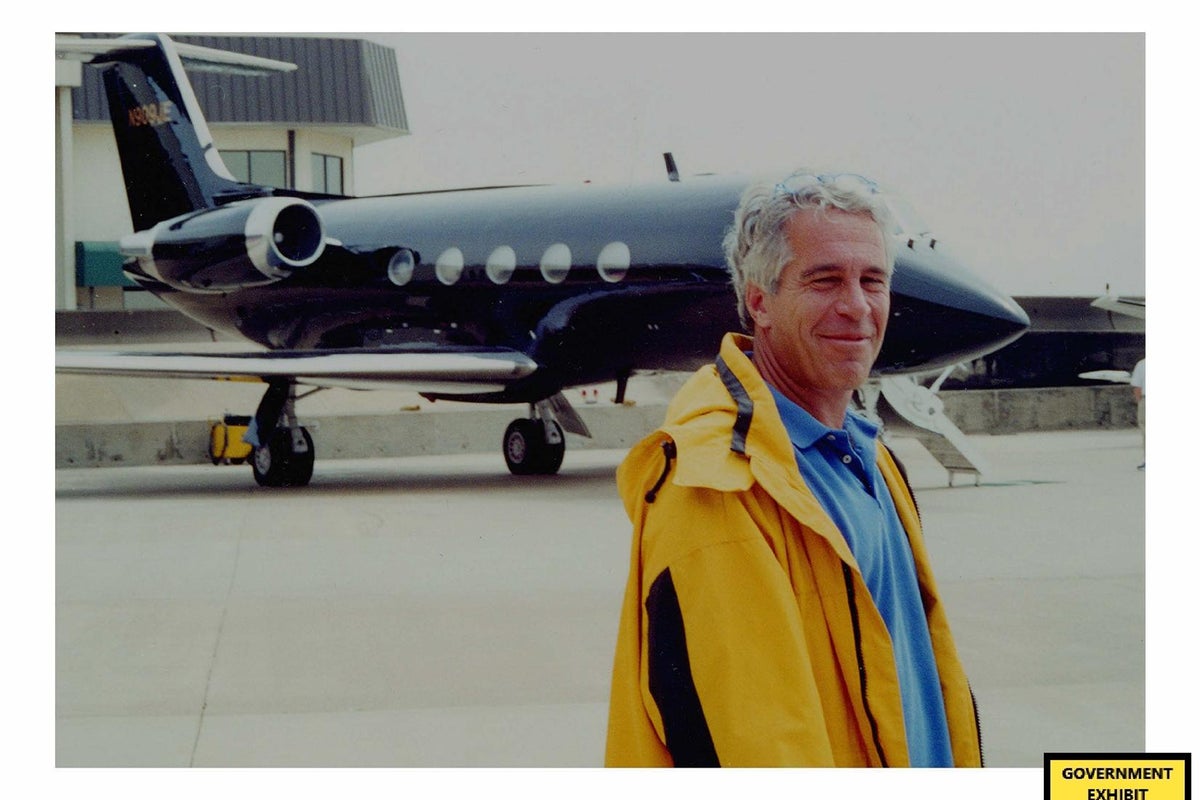
2 months agoMet Police contacting Andrew's former close protection officers over Epstein probe
Andrew Mountbatten-Windsor was arrested on suspicion of misconduct amid Metropolitan Police investigations linked to Jeffrey Epstein, prompting witness appeals and cross-border inquiries.
UK news
fromwww.independent.co.uk
2 months agoPolice give Epstein investigation update as Andrew's protection officers contacted
Andrew Mountbatten-Windsor was arrested on suspicion of misconduct amid Metropolitan Police inquiries linking travel and protection officers to Jeffrey Epstein-related trafficking and sexual exploitation allegations.
US politics
fromQueerty
1 month agoThe secrets buried at Epstein's Zorro Ranch in New Mexico could become Tr*mp's worst nightmare - Queerty
New Mexico reopened a 2019 investigation into Jeffrey Epstein's Zorro Ranch, where trafficking and sexual abuse occurred for 26 years, after the federal probe stalled under Trump's DOJ.

World news
fromwww.theguardian.com
1 month agoRise and fall of Prince Group raises awkward questions for Cambodia
Prince Group, a major Cambodian conglomerate founded by Chen Zhi, collapsed following US indictment allegations of operating scam compounds involving human trafficking and forced labor, with Chen's arrest raising questions about ties to political elites.
fromFast Company
1 month agoOnline scam centers in Cambodia targeted with new legislation setting hefty fines and prison time
This law is the most important legal instrument for Cambodia in combating scams online, fighting money laundering and demonstrating that Cambodia is not a paradise or a safe haven for criminals. The new legislation approved by the Cabinet sets five to 10 years in prison and a fine of 500 million to 1 billion riels for organizing or directing a technology fraud site.
World news
Los Angeles
fromLos Angeles Times
1 month agoAdvocates concerned city has not reviewed LA28 plan for homeless, human trafficking
Los Angeles has not publicly released a human rights report on Olympic preparations for civil rights, homelessness, and human trafficking despite receiving it over two months ago, raising concerns about accountability and adequate resource allocation.
US news
fromenglish.elpais.com
1 month agoThe shadow of Jeffrey Epstein tarnishes Costa Rica's picture-postcard image
Costa Rica is a destination for child sexual exploitation by criminal networks, with the Epstein Files revealing 324 mentions of the country and prompting an official investigation into trafficking operations.
fromCalifornia Post
1 month agoCalifornia bishop who allegedly made several trips to Mexican brothel arrested at San Diego airport trying to flee US
On Thursday, March 5, 2026, Bishop Emmanuel Shaleta was contacted and detained at the San Diego International Airport attempting to leave the country. Shaleta faces eight counts of embezzlement, eight counts of money laundering, and one count of aggravated white-collar crime, officials said.
Mission District
London politics
fromwww.independent.co.uk
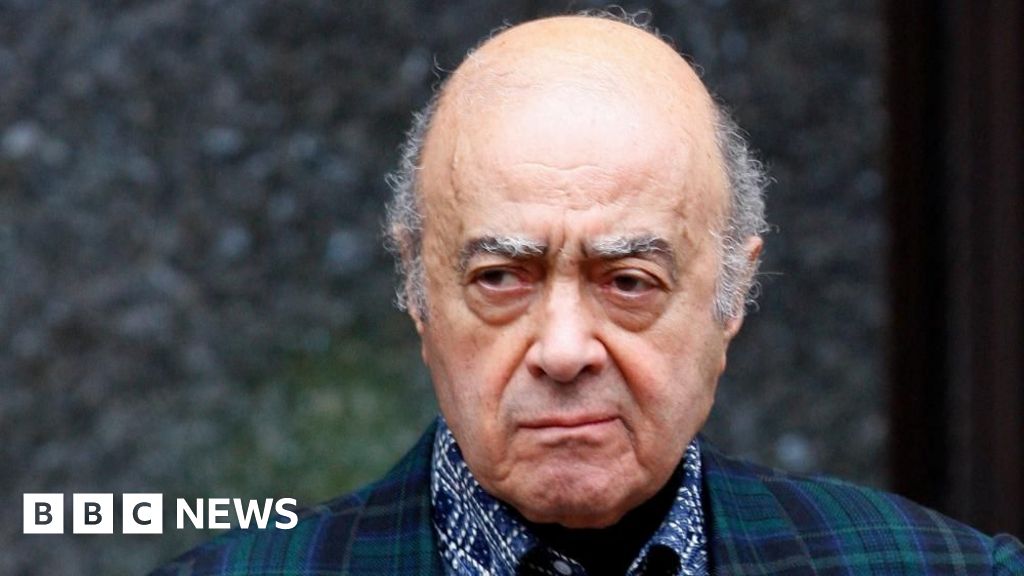
1 month agoThree women interviewed by police over enabling Mohamed al-Fayed's abuse
Three women are being interviewed under caution in a Metropolitan Police investigation into former Harrods boss Mohamed al-Fayed, with 154 people reporting allegations of rape, sexual assault, sexual exploitation, and human trafficking.
Miscellaneous
fromReadWrite
1 month agoGambling laundering network found exploiting Ukrainian refugees
Spanish police arrested 12 people operating a money-laundering network that exploited Ukrainian refugees by using their bank accounts and online gambling platforms to disguise millions in illegal profits.
Russo-Ukrainian War
fromwww.aljazeera.com
1 month agoOur children were sold off': The South Africans sent to fight Russia's war
African men, including South Africans, were deceived into traveling to Russia for security training but were instead conscripted into paramilitary forces and sent to fight in Ukraine, with African soldiers reporting worse treatment than others on the front lines.
fromLondon Business News | Londonlovesbusiness.com
2 months agoHealey orders a review of 'Epstein flights landing at RAF bases' - London Business News | Londonlovesbusiness.com
Healey has instructed officials at the Ministry of Defence to examine records dating back over two decades, including flight logs and passenger manifests. Any material relevant to criminal investigations will be forwarded to police authorities. The investigation will focus on whether military transport infrastructure, including RAF airbases, was used in connection with suspected trafficking activities.
UK news
Miscellaneous
fromwww.aljazeera.com
2 months agoDeadly journeys: Refugees, migrants risk everything to reach Europe
Mediterranean crossings from North Africa to Europe result in record deaths, with over 560 missing in early 2025, while refugees in Libya face systematic abuse from militias and traffickers.

fromwww.aljazeera.com
2 months agoUkraine alleges Russia enlists more than 1,700 Africans to fight
We clearly see that Russia is trying to drag African citizens into a deadly war. According to our data, there are currently over 1,780 citizens from the African continent fighting in the Russian army. The African soldiers hail from 36 countries and are part of a trend that is crucial to counter Ukraine's military on the front lines.
World news
Canada news
fromwww.cbc.ca
2 months agoHuman trafficking of workers a growing problem in Atlantic Canada, RCMP say | CBC News
Labour trafficking in Nova Scotia is increasing, involving coercion, threats, document confiscation, forced criminality, underpayment, and disproportionately affecting vulnerable immigrant and temporary workers.
fromwww.aljazeera.com
2 months agoKenyan families demand return of loved ones recruited into Russian army
list of 3 itemsend of list Winnie Rose Wambui said she hoped to get information about her brother, Samuel Maina, who went to Russia believing he had a job as a security guard at a mall. She last heard from him in October when he sent a distress voice note from a forest, she told news agency AFP. Parliament Majority Leader Kimani Ichung'wah presented the intelligence report to the Parliament of Kenya on Wednesday,
World news
fromwww.aljazeera.com
2 months agoJourney of hell': Migrants in Libya endure torture, rape, forced labour
The United Nations has warned that migrants in Libya, including young girls, face the risk of being killed, tortured, raped, or forced into domestic slavery. According to a UN Human Rights Office report released on Tuesday, migrants, asylum seekers, and refugees are being forcibly abducted and jailed for long periods until they're sold or kidnappers receive ransom from relatives. list of 4 itemsend of list They endure prolonged detention and are coerced through torture and inhumane treatment into paying for their release, said the report titled Business as Usual.
World news
Public health
fromwww.mercurynews.com
2 months agoSan Mateo County approves $832,000 to expand domestic violence, human trafficking response
San Mateo County approved $831,829 to add eight positions, staffing a Family Justice Center and two criminalists to strengthen domestic violence and human trafficking response.
fromQueerty
2 months ago2016 video of Pam Bondi comes back to haunt her after terrible testimony before Congress - Queerty
When running for re-election as Florida Attorney General, Pam Bondi touted her efforts to prosecute sex traffickers. "Florida ranks third nationally in calls for help in human trafficking, where young women and children are enslaved and abused. I knew we needed all hands on deck," she said in a 2016 ad that's now gone viral for all of the wrong reasons. "I'll fight to put human trafficking monsters where they belong," she continued. "Behind bars."
US politics
[ Load more ]