#5g-standalone
#5g-standalone
[ follow ]



Tech industry
fromComputerWeekly.com
2 months agoGlobal 5G standalone dynamic shifts from coverage to capability | Computer Weekly
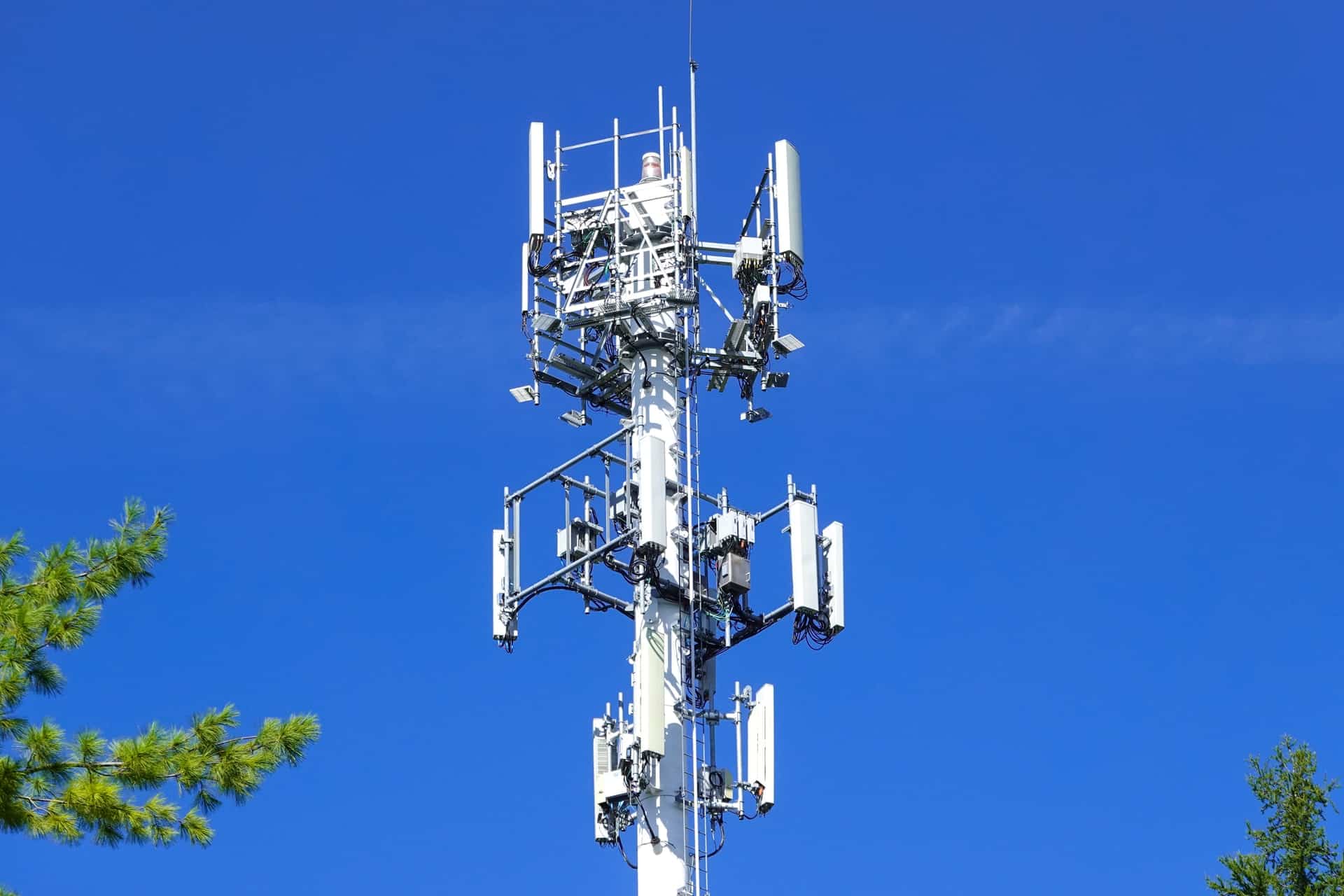
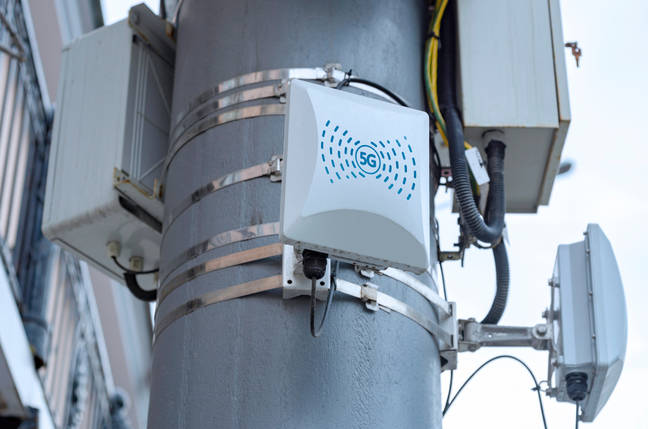
5G standalone deployment is advancing but a widening capability gap driven by spectrum, investment and advanced radio techniques is creating major regional performance divergence.

fromComputerWeekly.com
6 months agoVodafoneThree network sharing unlocks 'significant' coverage improvements | Computer Weekly
Vodafone and Three first announced plans to merge in June 2023, creating a joint entity with 27 million mobile subscribers in the UK and providing a response to BT's 2016 purchase of EE, as well as the 2021 merger of Virgin Media and O2 to form VMO2. Vodafone and Three justified the combination by saying it would boost the roll-out of 5G infrastructure
Miscellaneous
fromComputerWeekly.com
6 months agoVodafone chooses Ericsson as exclusive RAN supplier across key territories | Computer Weekly
Vodafone has chosen Ericsson as its exclusive radio access network (RAN) supplier across Ireland, the Netherlands and Portugal, in a five-year deal that the comms tech provider says marks one of the most significant network modernisation programmes in Europe, redefining network performance, automation and sustainability. In addition to becoming Vodafone's sole RAN supplier in the aforementioned territories, the partnership will also see Ericsson act as a major partner in Germany, Romania and Egypt.
Miscellaneous
fromComputerWeekly.com
8 months agoEnterprise 5G set for 'potentially intensive' growth over next five years | Computer Weekly
The Next wave of mobile innovation paper - written by Ericsson chief technology officer Erik Ekudden and mobile industry strategy consultant Chetan Sharma - presents the view that while the global roll-out of 5G has been unprecedented in speed, the true value lies in how deeply the technology is embedded into the industrial fabric of the global economies, with the real story of 5G's impact set to be written in factories, ports, mines, energy grids, logistics hubs and research labs across the globe.
Tech industry
[ Load more ]