#2028-presidential-election
#2028-presidential-election
[ follow ]

fromEsquire
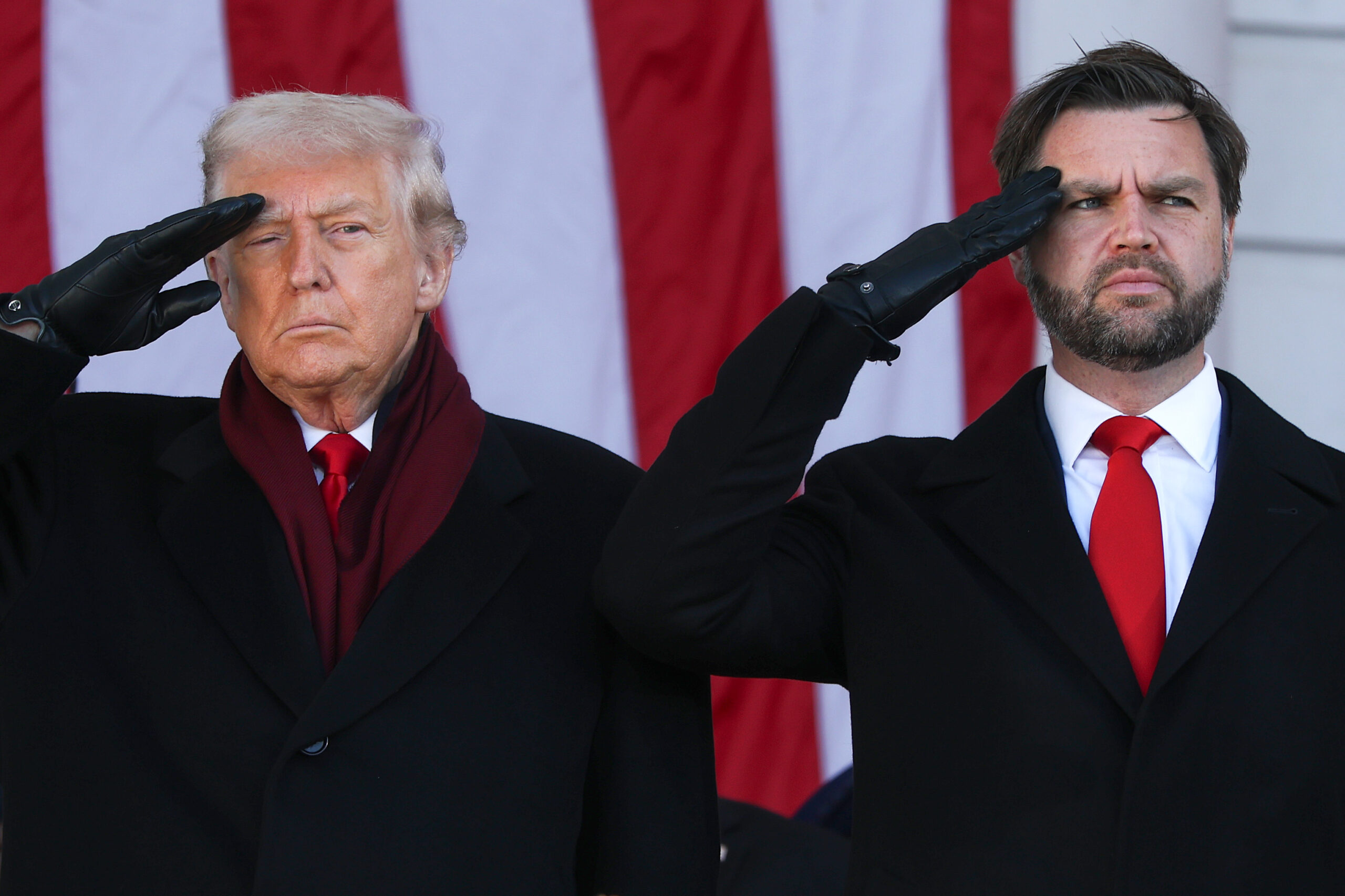
1 month agoJD Vance Would Make a Horrible Presidential Candidate
Vance is as unpopular as he is unlikable, which is quite the parlay, if you think about it. Even his bungling attempts to influence the Hungarian elections... were spun as his 'stepping up' into a more important role in the administration.
Washington DC
#kamala-harris


Left-wing politics
fromwww.theguardian.com
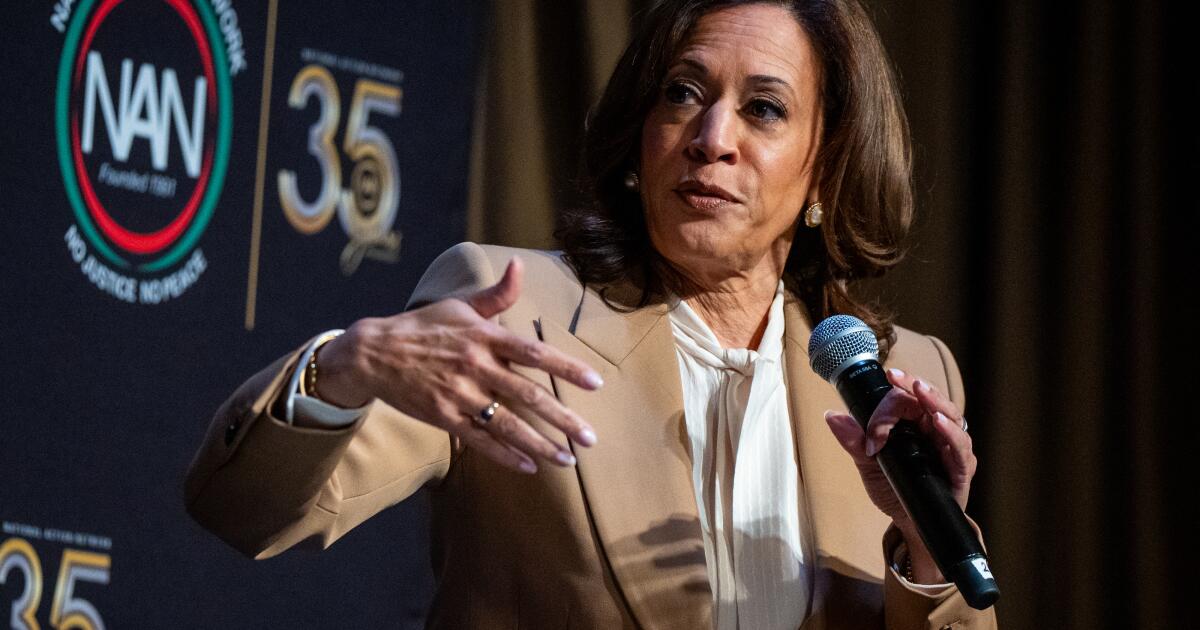
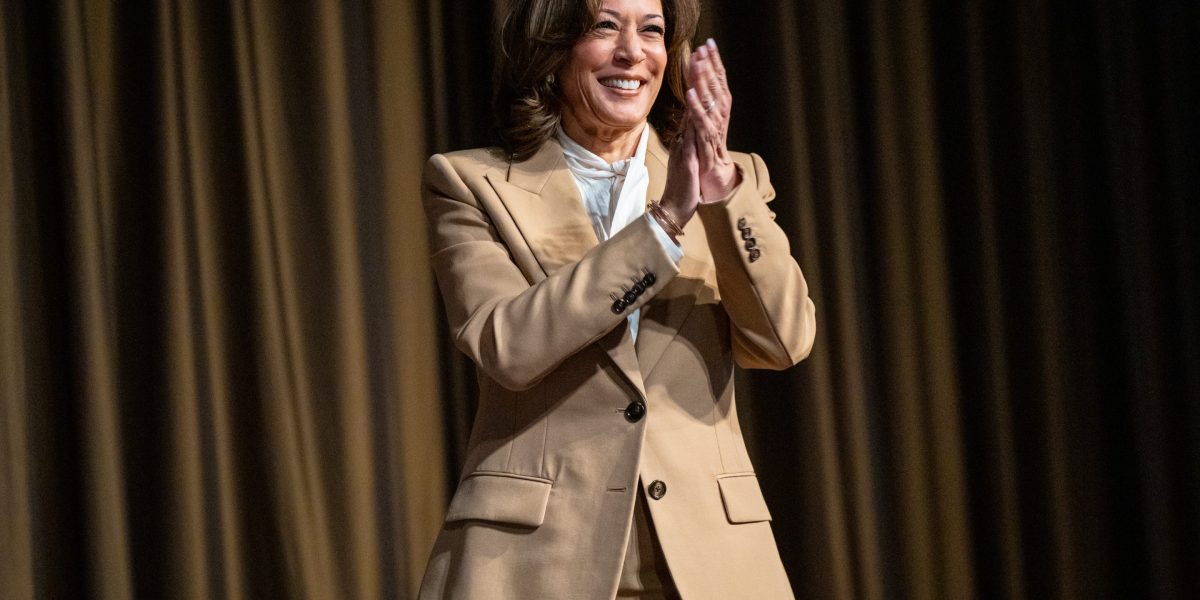
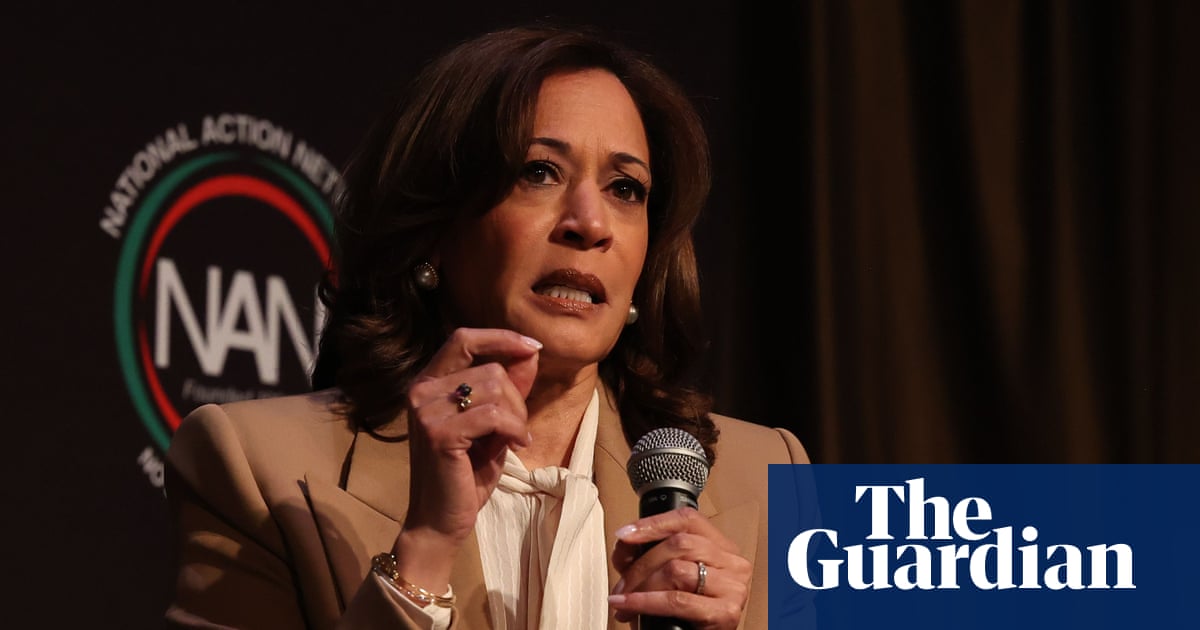
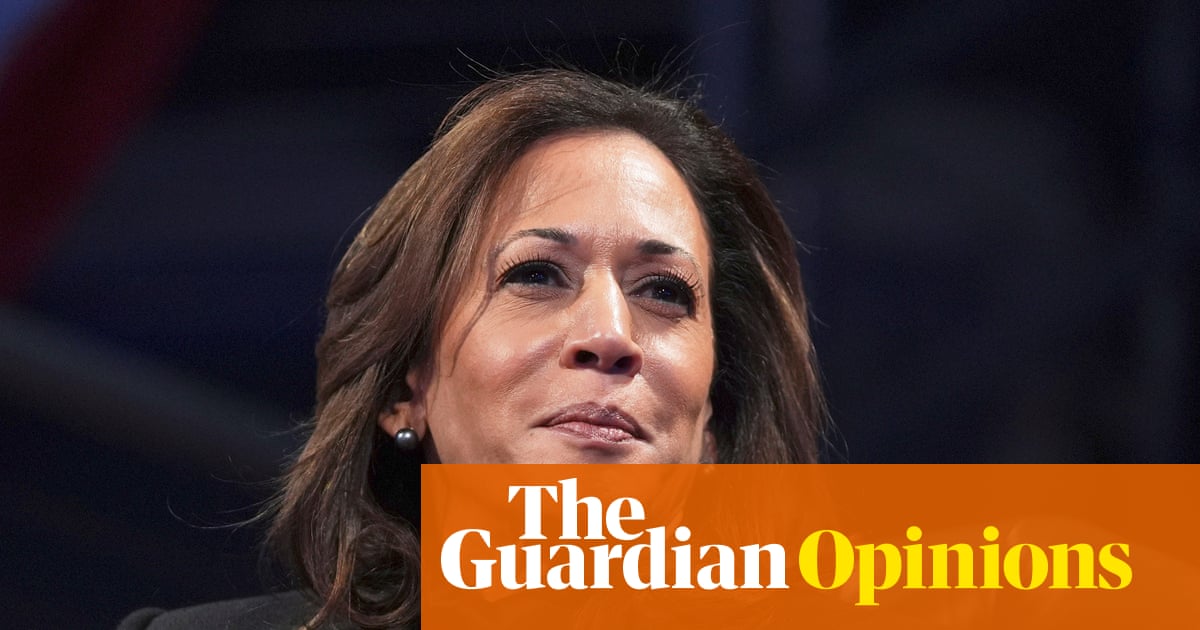
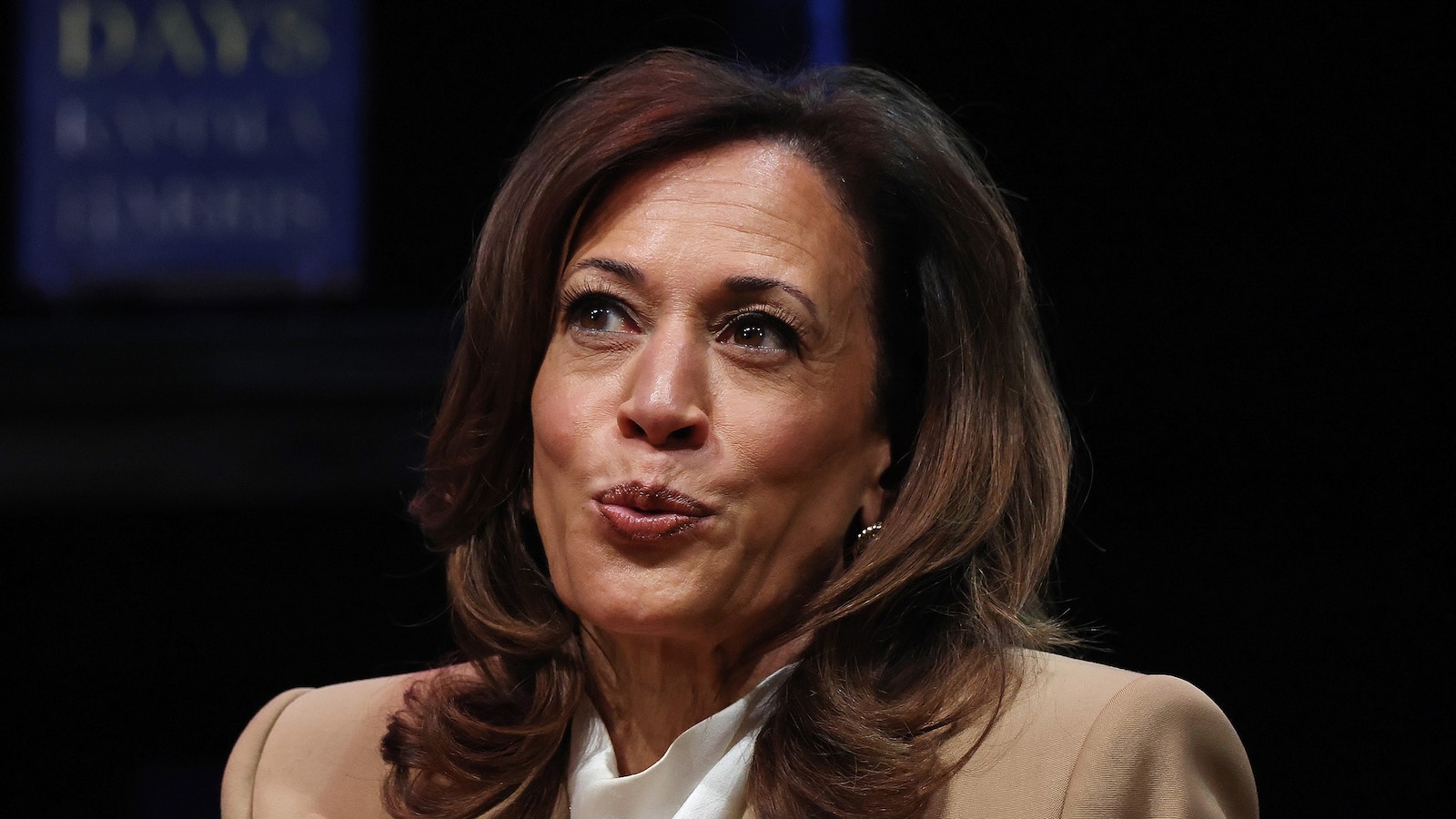
2 months agoKamala Harris might run for president again in 2028. Please, no | Arwa Mahdawi
Kamala Harris has not ruled out running for president again despite losing the 2024 popular vote, but her political effectiveness remains questionable for future electoral success.


#gavin-newsom

US politics
fromLos Angeles Times
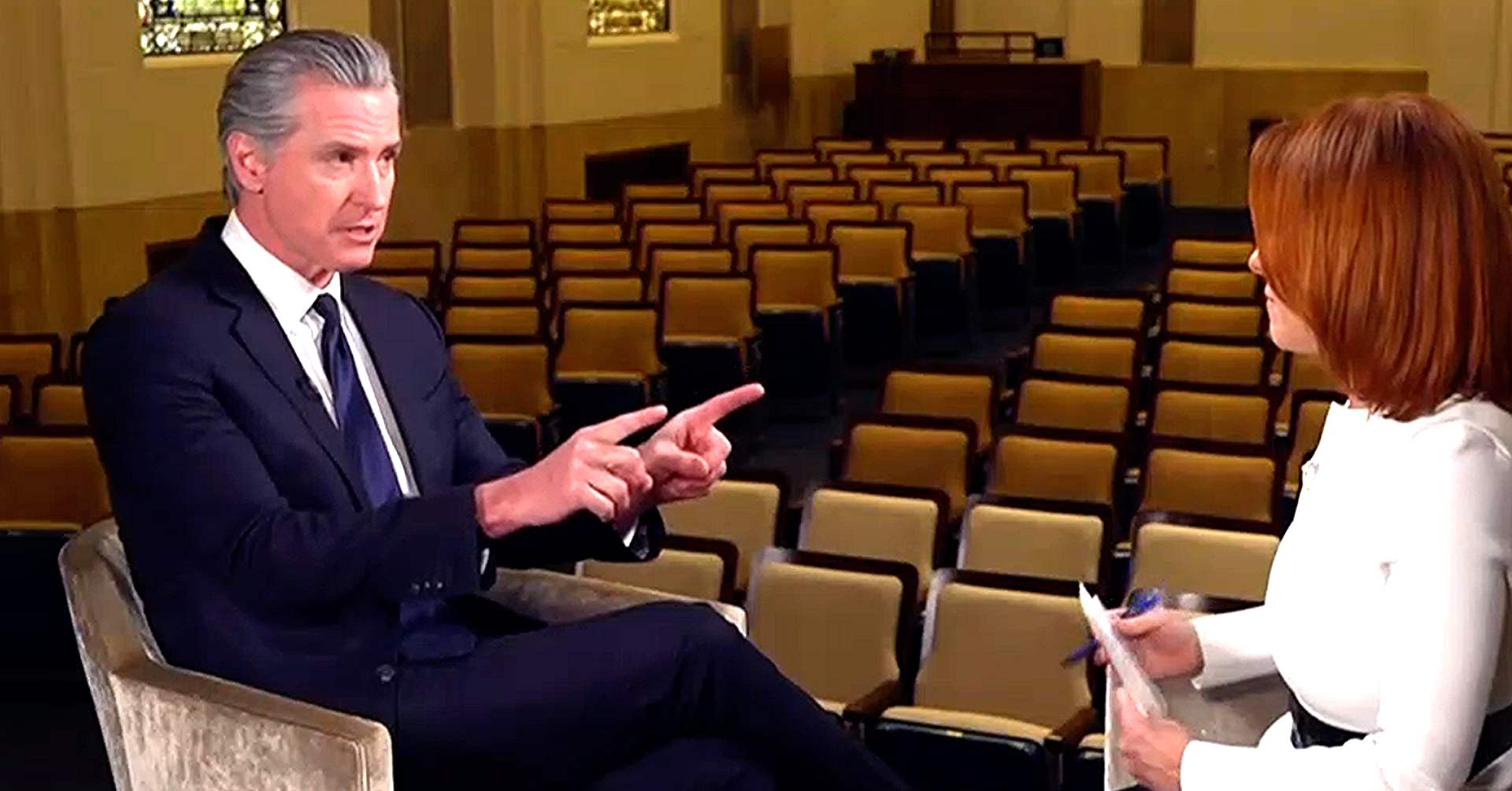
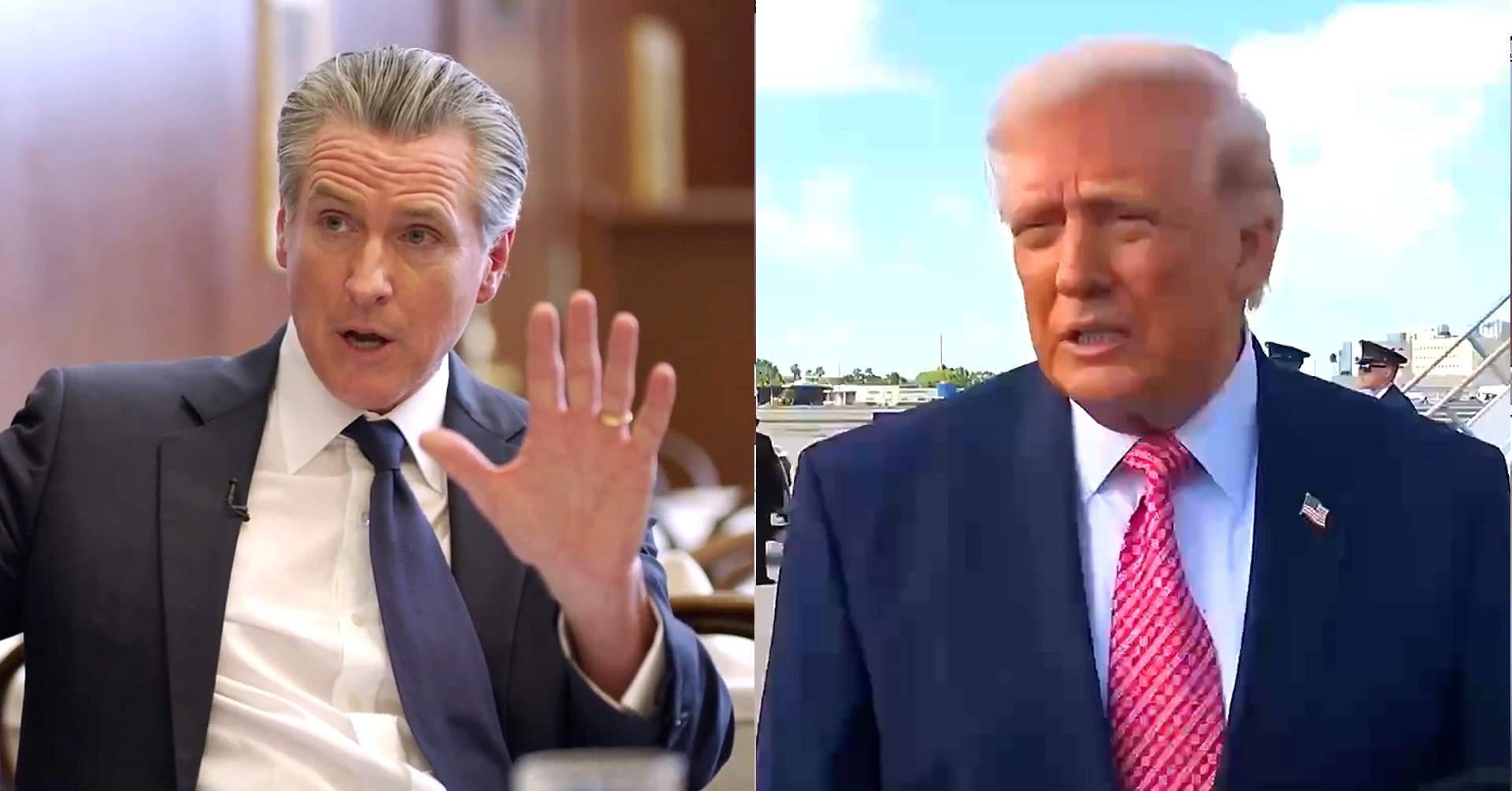
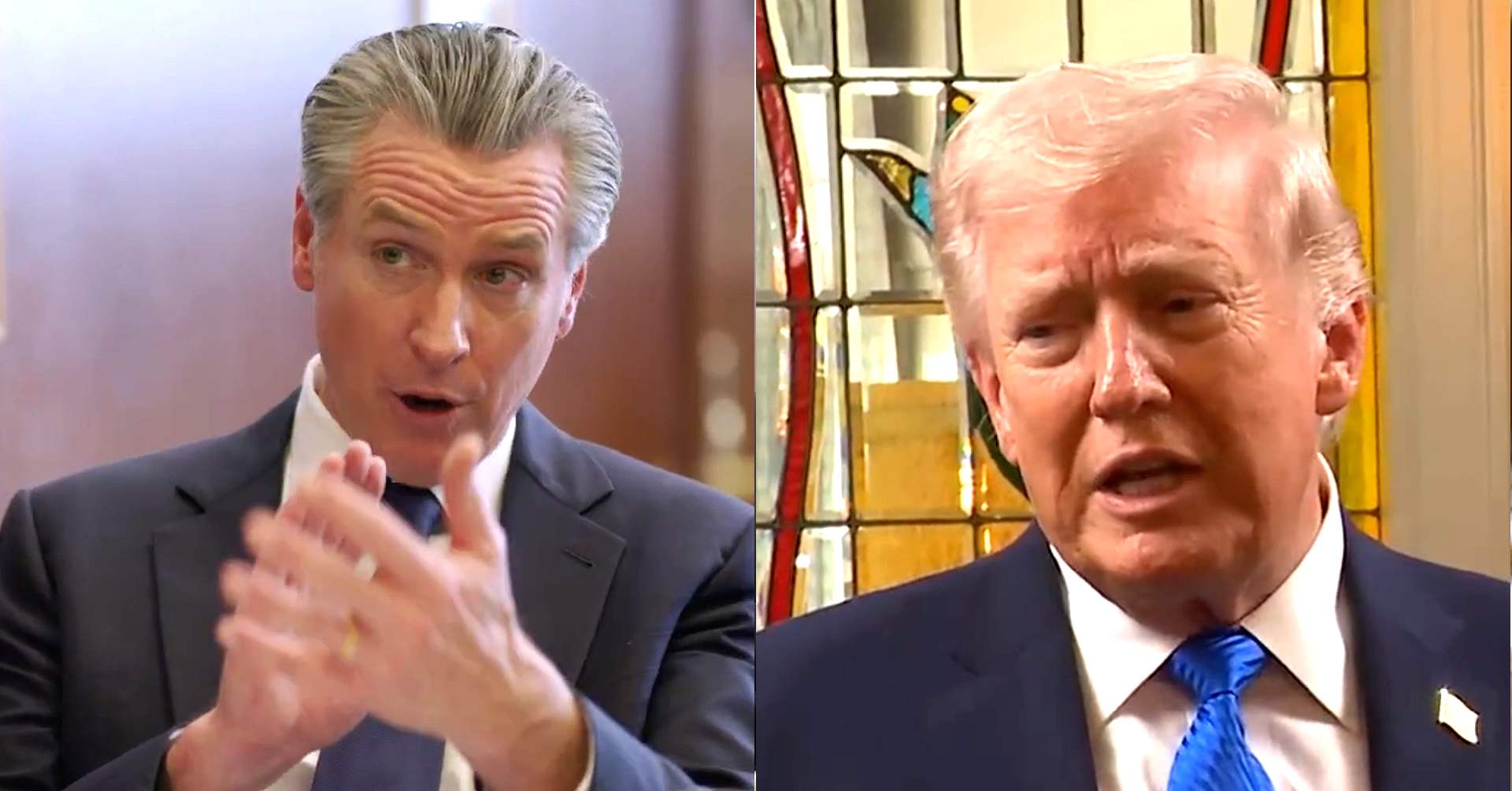
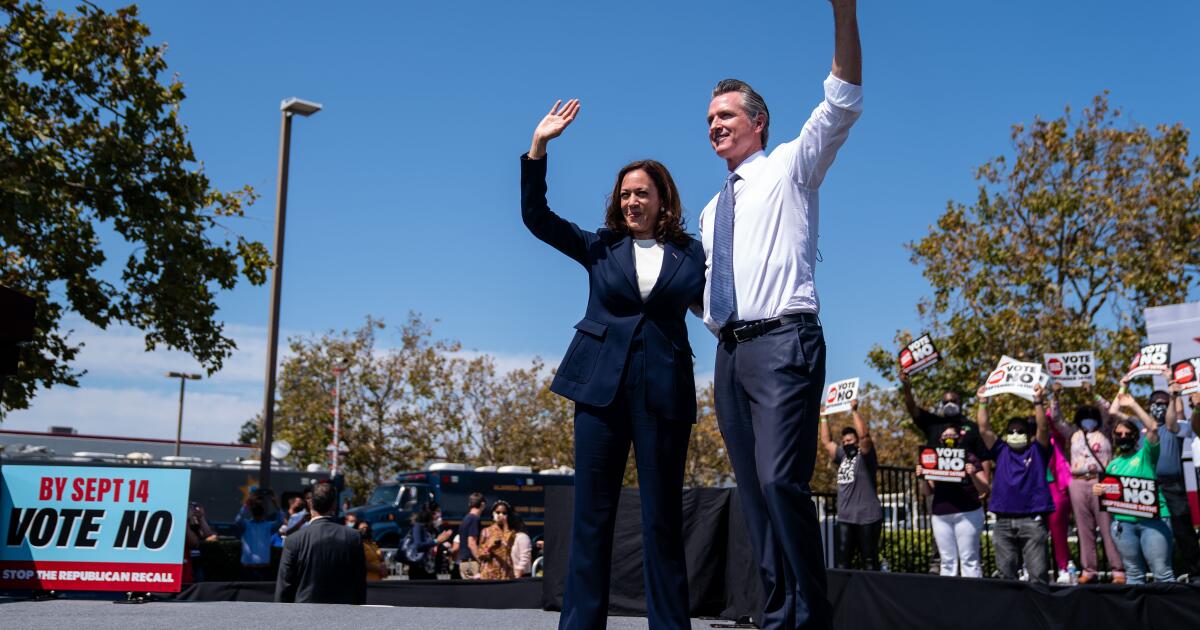
6 months agoCommentary: Front-runner or flash in the pan? Sizing up Newsom, 2028
Gavin Newsom positions himself as a leading 2028 Democratic contender, leveraging a Proposition 50 victory, national outreach, and polling strength despite concerns about California appeal.

fromThe Nation
2 months agoShould Alexandria Ocasio-Cortez Run for President in 2028?
No one represents the emerging ideology of the Democratic Party better than AOC, and no one is better at articulating that vision in public, on social media, and in Congress. If we hope to build a successful movement for social democracy, at some point the Democrats must give their presidential nomination to someone who both believes in it and can sell it to the broader electorate.
US politics
US Elections
fromwww.mediaite.com
2 months agoRubio Leapfrogs Vance and Newsom to Become Betting Favorite to Win 2028 Presidential Race
Marco Rubio has become the betting favorite for the 2028 presidential election on Kalshi with a 19% chance, surpassing Vice President JD Vance and Governor Gavin Newsom, driven by his prominent role in foreign policy initiatives.
fromwww.mediaite.com
3 months agoBill O'Reilly Eggs Stephen A. Smith On for a Presidential Run: Would Be an Amazing Historical Achievement!'
During a discussion on NewsNation's Cuomo about whether Smith would run for president in 2028, O'Reilly said, I think he should run, and I'm being serious now, and Trump opened the door for you. You should send Trump a big bouquet of flowers. O'Reilly argued that while Smith would likely have no real shot at being elected president, he would be injecting himself into the debate, the national debate, and you're exposing the charlatans, which would be an amazing historical achievement.
US politics
US politics
fromwww.mediaite.com
3 months agoWall Street Journal Columnist Takes Early Victory Lap Trashing 2028 Dems: You May Already Have Lost'
The Democratic field for 2028 appears weak, with leading potential candidates having significant vulnerabilities that could imperil the party's electoral prospects.
fromThe Mercury News
5 months agoClendaniel: Democrats need to voice their 2028 presidential preferences now
When I retired as the Mercury News editorial page editor in 2023, I wrote a farewell column urging readers not to give up on America, despite its many challenges. I reiterated my strong belief in the power of the law of accumulation, which posits that every great achievement is an accumulation of hundreds of small efforts that few ever realize contributed to the outcome.
US politics
fromwww.mercurynews.com
9 months agoRep. Ro Khanna seeks new generation of leaders' in the Democratic Party. Is he the answer?
Khanna's House district encompasses the headquarters of valuable companies, showcasing his role in technology and politics, which he leverages as he positions for a presidential run.
US politics
fromwww.mediaite.com
11 months agoRahm Emanuel Tells WSJ Democrats Must Move to Center to Win: Party Brand Is Toxic' and Weak and Woke'
Emanuel criticized Democrats' focus on identity politics, suggesting that rather than engaging in culture wars, they should articulate a wider agenda that resonates with American voters.
US politics
[ Load more ]