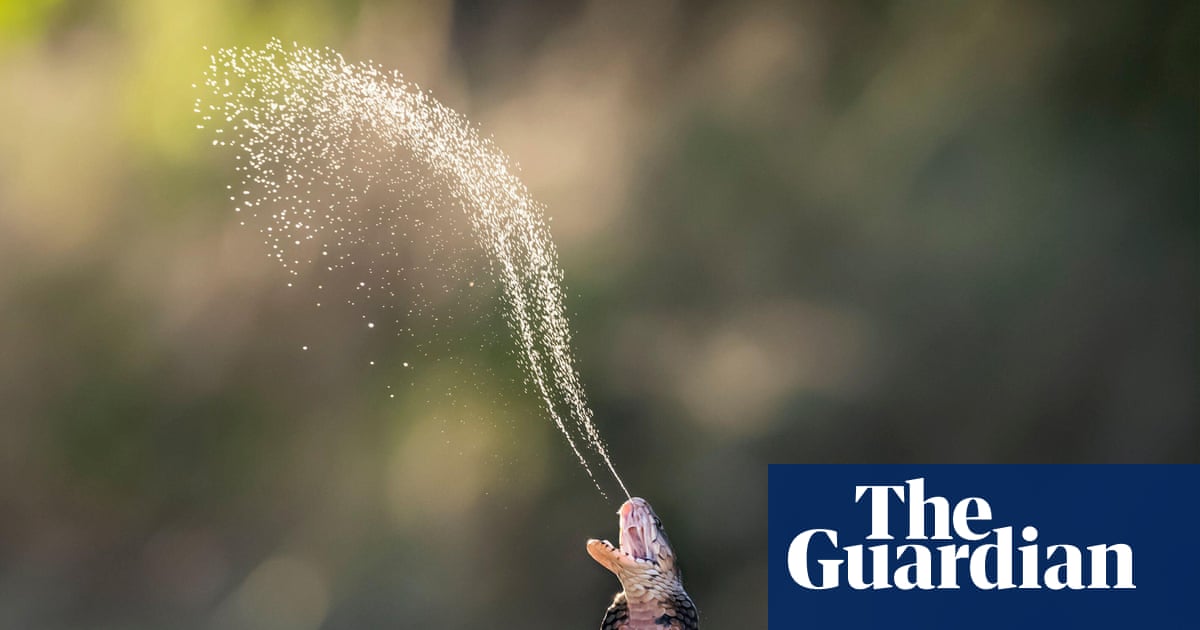
Rising temperatures and growing human pressures are shifting venomous snakes into new habitats and bringing them into greater contact with people. Spitting cobras, vipers, cottonmouth moccasins, and kraits are among the species whose ranges are changing due to climate disruption and landscape change. The overlap between humans and venomous snakes is expected to increase further in coming decades as snakes adjust their distribution to escape hotter conditions. Many species are likely to lose habitat, while some of the deadliest snakes may spread into areas where they have not been seen before. Snakebite statistics are incomplete because many incidents occur in remote places and go unreported. Estimates indicate about 4 million cases annually, with 138,000 deaths and 400,000 disabilities, nearly half in South Asia. A global mapping effort for 508 medically important snake species was created at 1 sq km resolution using multiple data sources to address gaps in future risk projections.
"The risk of snakebites is increasing across the world as reptiles shift their habitats to cope with rising temperatures and growing human pressures, a study of venomous snakes has found. Spitting cobras in Africa, vipers in Europe and South America, cottonmouth moccasins in North America and kraits in Asia are coming into greater contact with people as a result of climate disruption and landscape change, according to the research, which was led by the World Health Organization."
"This trend is forecast to become more pronounced in the coming decades as snakes like many other species adjust their range to escape hotter conditions. Most species will suffer a decline of habitat, but a significant number of the deadliest snakes are likely to spread more widely, taking them into areas where they have not been seen before and potentially affecting billions of people. The overlap between humans and venomous snakes will be greater, said one of the authors, David Williams of the WHO and the University of Melbourne."
"Snakebite statistics are sketchy because many happen in remote areas and go unreported. But the authors of the new paper say there are about 4m cases every year, mostly in the tropics. The vast majority are not dangerous, but there are 138,000 deaths and 400,000 disabilities annually almost half of which occur in south Asia. Until now the distribution of risk was understood at a local or national level, with little analysis of how this could alter in the future as a result of climate and demographic trends."
"Using public and private databases, citizen science platforms, museum records, scientific literature and expert observations, the researchers mapped the distributions of all 508 medically important snake species across the planet to a granularity of 1 sq km. They the"
Read at www.theguardian.com
Unable to calculate read time
Collection
[
|
...
]