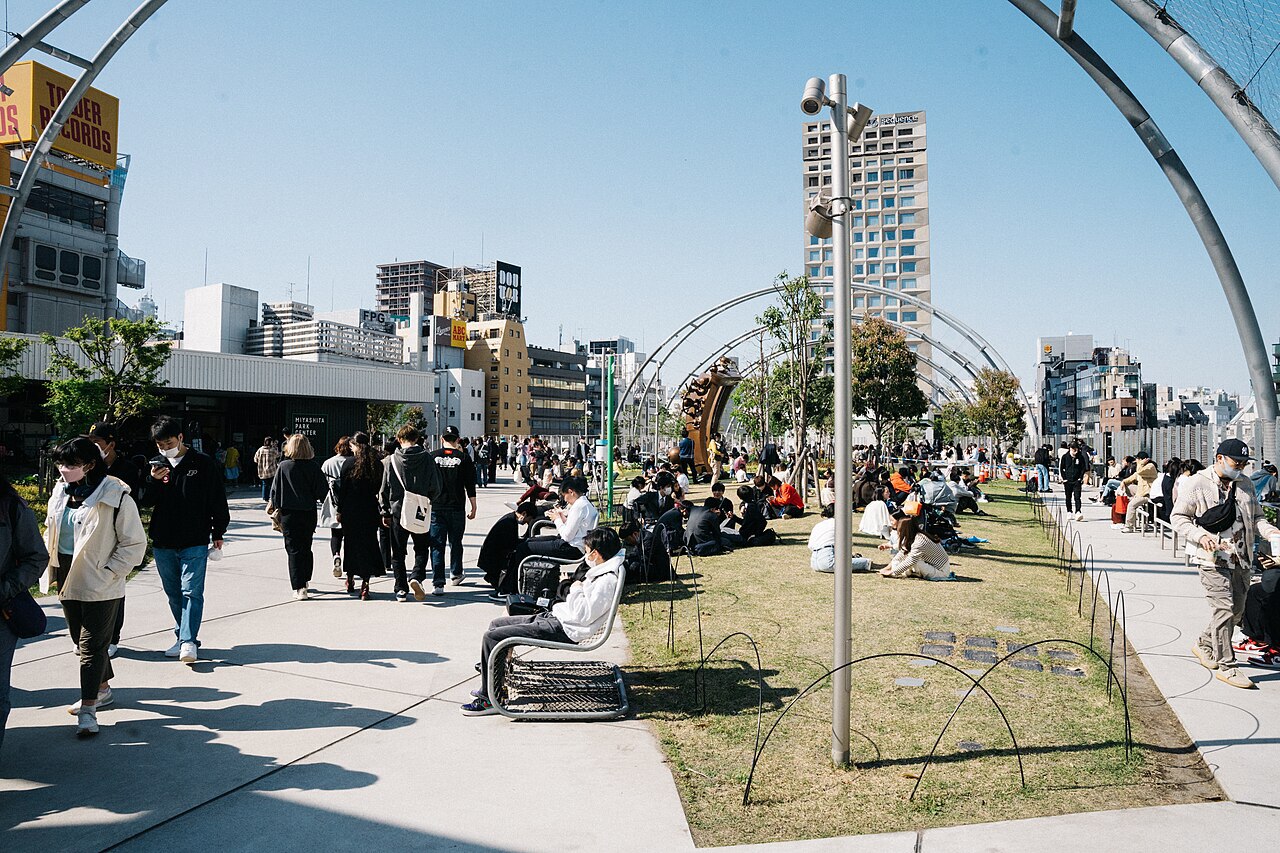
"Urban renewal is inherently fraught-financially complex, politically exposed, stakeholder-dense, and almost guaranteed to leave someone dissatisfied. Precisely for these reasons, many cities default to inertia rather than risk the upheaval that comes with reworking entrenched urban fabrics, their residences, and their dynamics; once the "sleeping bear" is prodded, unexpected complications tend to multiply. Miyashita Park (Miyashita Kōen), located in Shibuya, Tokyo, crystallizes this dilemma."
"Miyashita Park (Miyashita Kōen), located in Shibuya, Tokyo, crystallizes this dilemma. Its current form-a layered, mixed-use complex balancing commercial activity with a publicly accessible park -emerged from years of negotiation, critique, and recalibration. The result is a distinctive example of a public-private partnership that seeks to align urban amenity, everyday leisure, and economic viability, producing a new piece of city that hosts public life while underwriting its own upkeep."
Urban renewal generates complex financial, political, and stakeholder challenges that frequently leave parties dissatisfied and push many cities toward inertia to avoid upheaval. Intervention risks cascade effects as reworking entrenched urban fabrics, residences, and dynamics provokes unexpected complications. Miyashita Park in Shibuya, Tokyo, exemplifies a negotiated outcome: a layered, mixed-use complex that balances commercial uses with a publicly accessible park. The project emerged through years of negotiation, critique, and recalibration and functions as a public-private partnership aligning urban amenity, everyday leisure, and economic viability while underwriting ongoing upkeep.
Read at ArchDaily
Unable to calculate read time
Collection
[
|
...
]