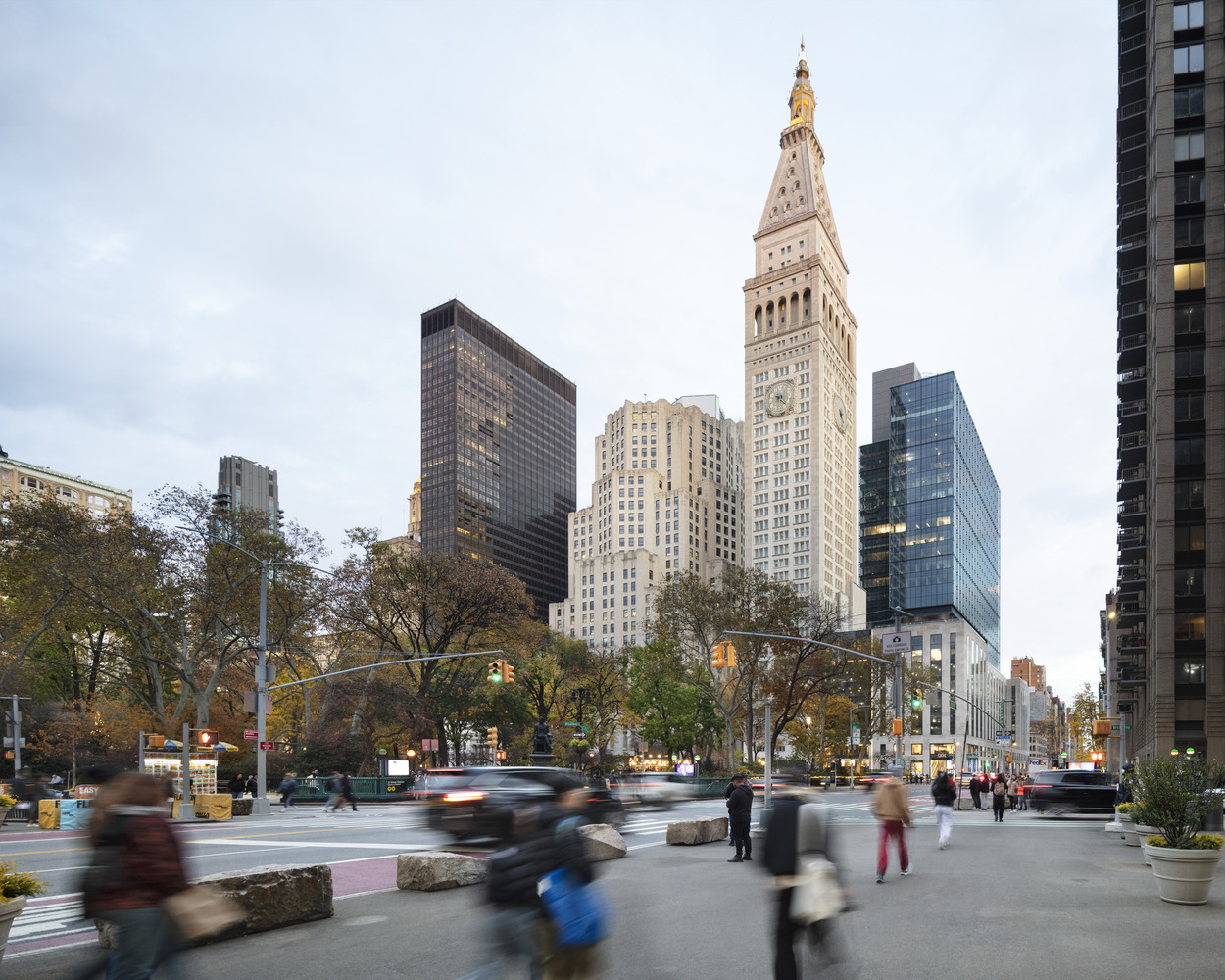
Post offices historically expressed federal authority and civic identity through styles like Greek Revival, Beaux-Arts, and Art Deco, featuring stone façades, monumental halls, and crafted interiors that projected stability and trust. Postal infrastructure now underpins a logistics-driven, e-commerce economy and remains one of the few networks serving every community. Public investment in postal buildings has not kept pace with growing dependence, leaving many landmark post offices neglected or peripheral. Developers increasingly adapt historic post offices into hotels, retail, offices, and event venues, shifting civic spaces toward private consumption and raising questions about the future of public, collective urban infrastructure.
"Across towns and city centers, they carry the shifting architectural ambitions of the nineteenth and twentieth centuries, from Greek Revival formality to Beaux-Arts monumentality and Art Deco ornament. Architects and federal planners would give these buildings a clear public role and a powerful physical presence. Stone façades, monumental halls, and crafted interiors projected stability, trust, and permanence. The post office placed the federal government directly into the everyday landscape of American life."
"runs on logistics, e-commerce, and the constant circulation of goods, and the postal system remains one of the few networks that reaches every community. Americans depend on it, whether through deliveries, documentation, or the daily movement of commodities. Yet there is a clear shift in architectural priorities as public investment does not match this growing dependence on postal networks. The buildings that once embodied civic centrality now often sit at the edge of architectural attention, maintained as remnants rather than renewed as active public spaces."
Read at ArchDaily
Unable to calculate read time
Collection
[
|
...
]