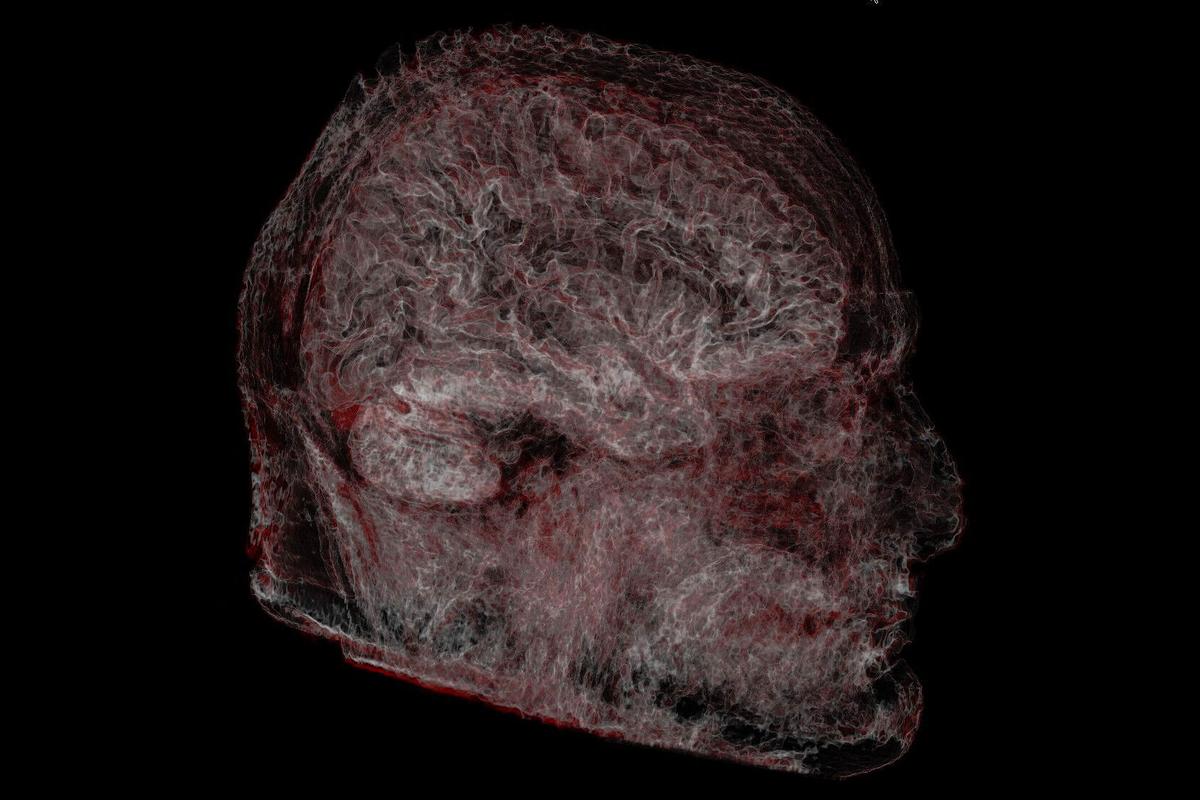
"Popular wisdom holds we can 'rewire' our brains: after a stroke, after trauma, after learning a new skill, even with 10 minutes a day on the right app. The phrase is everywhere, offering something most of us want to believe: that when the brain suffers an assault, it can be restored with mechanical precision. But 'rewiring' is a risky metaphor. It borrows its confidence from engineering, where a faulty system can be repaired by swapping out the right component;"
"it also smuggles that confidence into biology, where change is slower, messier and often incomplete. The phrase has become a cultural mantra that is easier to comprehend than the scientific term, neuroplasticity - the brain's ability to change and form new neural connections throughout life. But what does it really mean to 'rewire' the brain? Is it a helpful shorthand for describing the remarkable plasticity of our nervous system or has it become a misleading oversimplification that distorts our grasp of science?"
Popular usage claims people can 'rewire' their brains after stroke, trauma, or learning, implying rapid restoration through targeted actions. The metaphor borrows from engineering and suggests replaceable components and precise fixes, which misrepresents biological reality. Neuroplasticity denotes the brain's capacity to change and form new neural connections, but biological change tends to be slower, messier, and sometimes incomplete. Early twentieth-century medical and psychological comparisons between nerves and electrical wiring reinforced the imagery. The rewiring metaphor fuels consumer promises of quick app-based fixes and promotes an alluring mechanical vision that can distort public understanding of brain recovery and learning.
Read at Aeon
Unable to calculate read time
Collection
[
|
...
]