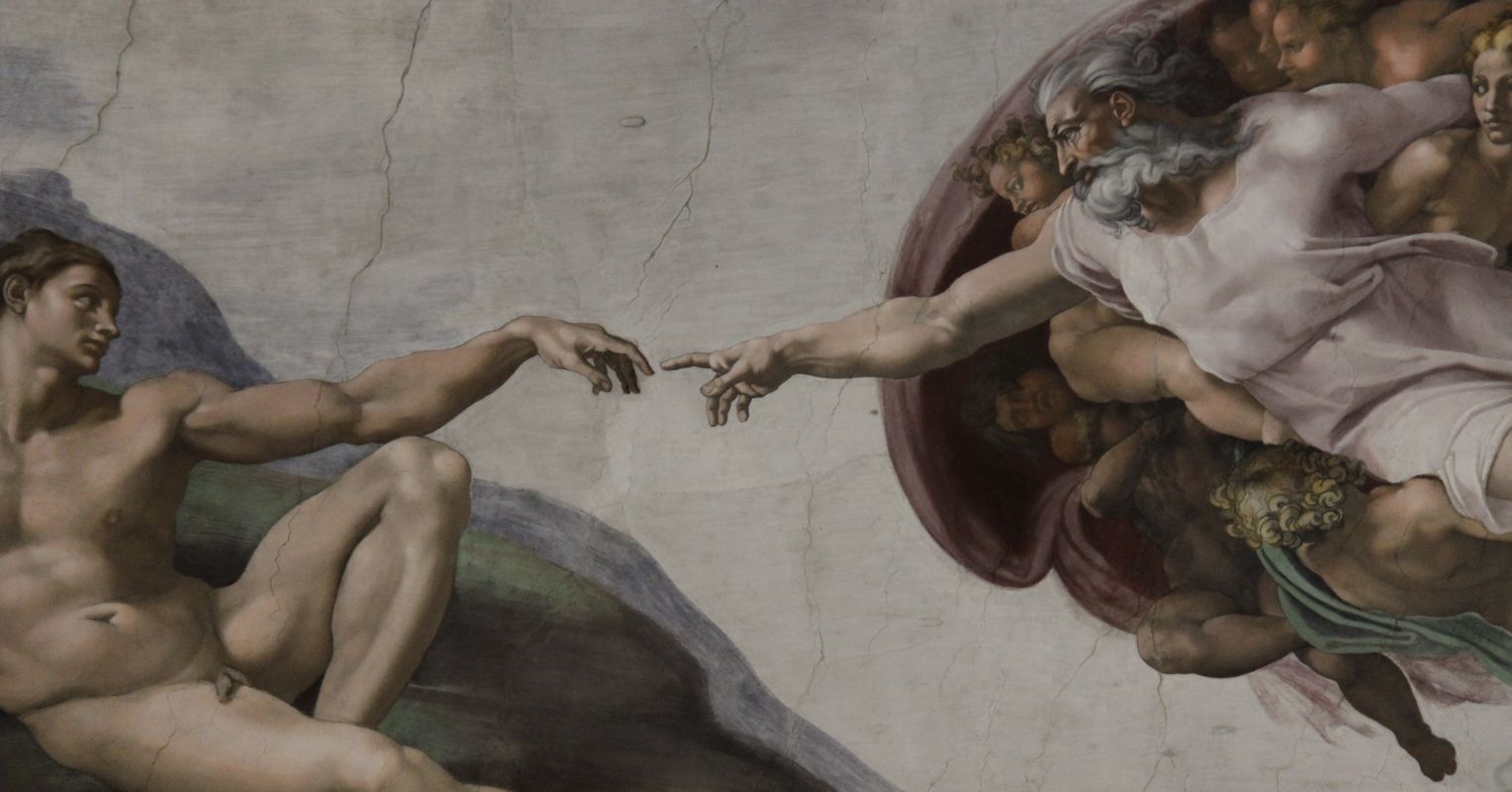
The simulation hypothesis has become a default worldview in the tech age, presented without traditional metaphysical baggage. Tracing it to first principles shows it reconstructs a creator deity while subtracting the feature that makes the idea livable: the unrepeatable value of the individual person. A contrasting view grounds human dignity in creation rather than optimization, emphasizing that human worth precedes performance. AI intensifies the urgency of these competing moral frameworks. A cosmology of indifference cannot protect the unique self from being treated as replaceable. Authorship without love turns human meaning into mere production.
"The simulation hypothesis has become the default cosmology of our tech age. It arrives in secular vestments that are stripped of metaphysical baggage. Elon Musk has called it likely. Respected philosophers have called it serious. Silicon Valley has perhaps even "ordained" it as the sophisticated alternative to religion."
"The simulation hypothesis has reconstructed a creator deity and subtracted the one feature that made the concept livable: you. Pope Leo XIV would recognize this immediately. His encyclical Magnifica Humanitas, released this week, opens with a proclamation-Christianity's own first principles-that anchored Catholicism for two millennia. Humanity was created "in all its grandeur" and not generated or optimized."
"The word grandeur is critical because it implies something intended whose value precedes its performance. And before Pope Leo makes a single policy recommendation about AI regulation or job loss, he plants his papal ferula in the ground to reconfirm the human person is unrepeatable and dignified by what they are and not by what they do or produce."
"So, here we are. Two cosmologies. Structurally similar. Morally irreconcilable. This would be an interesting theological debate at any moment in history, but AI makes it more relevant and urgent. Adjacent to the debates about what AI can or cannot do is a question that this technology has forced us to address."
Read at Psychology Today
Unable to calculate read time
Collection
[
|
...
]