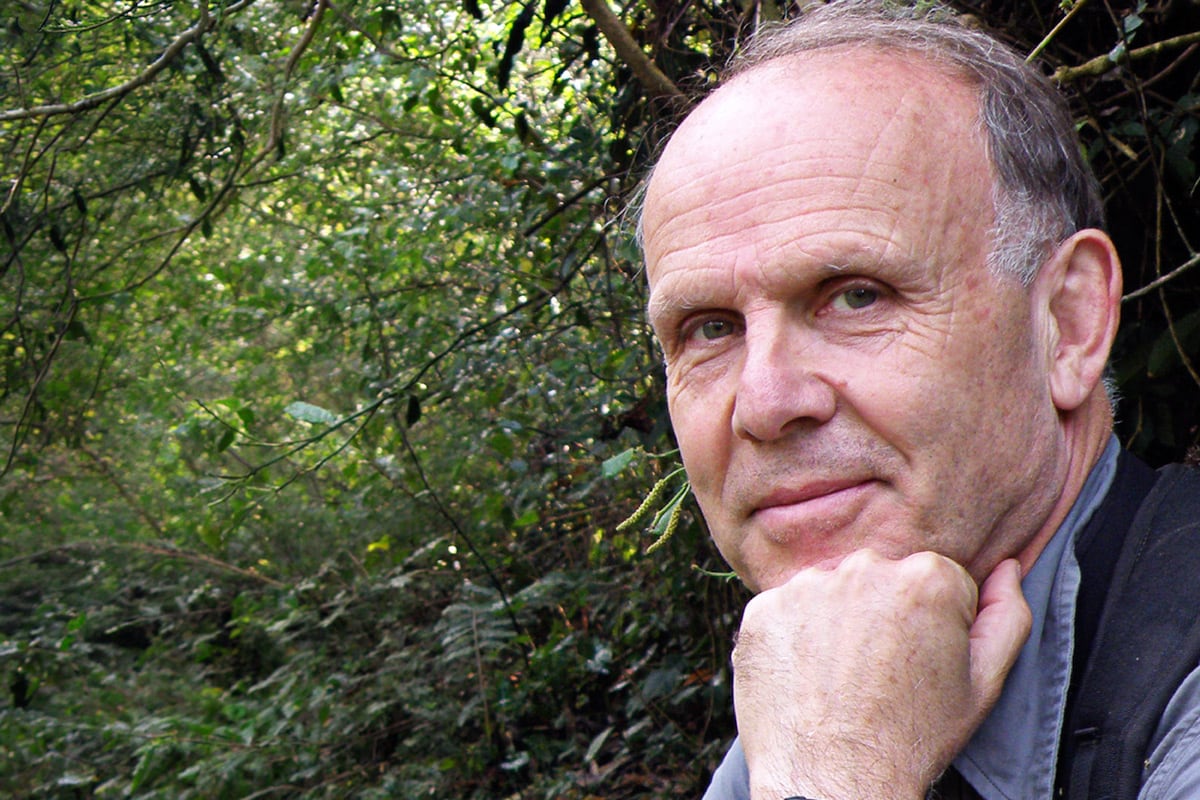
Richard Wrangham studied chimpanzees in Gombe National Park, observing their social behaviors and eventual violent conflicts. This led to a fascination with violence and its implications for human evolution. His book, The Goodness Paradox, examines the duality of humans as empathetic yet capable of unprecedented violence. Wrangham discusses self-domestication, guided by speech and social structures, and emphasizes the importance of tolerance and democracy to manage our aggressive tendencies. He argues that understanding this duality is crucial for comprehending human nature.
"Wrangham's observations of chimpanzees revealed a complex social structure that included both nurturing behaviors and violent conflicts, challenging the notion that aggression is solely a human trait."
"The Goodness Paradox reflects on the duality of human nature, where empathy coexists with a capacity for planned violence, necessitating societal structures to manage these impulses."
"Through the lens of self-domestication, Wrangham argues that speech, social hierarchies, and the rebellion of beta males have shaped our understanding of aggression and morality."
Read at english.elpais.com
Unable to calculate read time
Collection
[
|
...
]