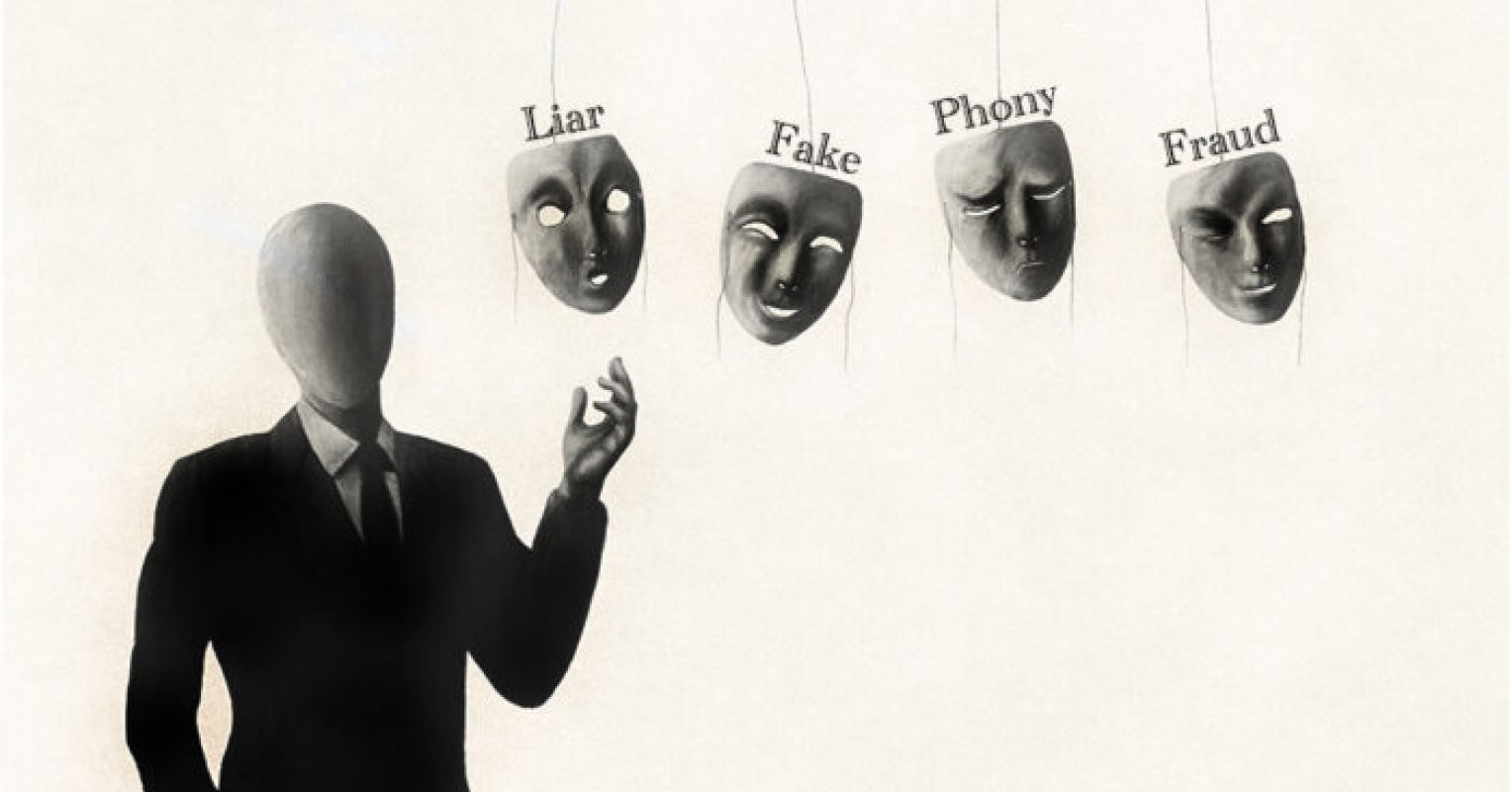
"Dante's Inferno shows vividly what their fate could be: Hypocrites are banished to the second-lowest circle of Hell, together with "everything that fits / The definition of sheer filth." There, they are forced to trudge around wearing cloaks that have dazzling gold on the outside, but which are lined with crushing lead within, making them as deceptive as their wearers."
"The 18th-century philosopher Jean-Jacques Rousseau hated hypocrisy with an unnerving intensity, writing: "The vile and groveling soul of the hypocrite is like a corpse, without fire, or warmth, or vitality left. I appeal to experience. Great villains have been known to return into themselves, end their life wholesomely, and die saved. But no one has ever known a hypocrite becoming a good man.""
Accusations like "You hypocrite" provoke strong emotional reactions and physiological responses. Disgust at hypocrisy is embedded in cultural, religious, and moral frameworks. Religious texts and literary works portray hypocrites as morally bankrupt and deserving of severe punishment. Philosophers from Plato to Rousseau and Arendt have condemned hypocrisy as a profound moral failing that can undermine character and social trust. Some thinkers describe hypocrisy as uniquely rotten or unforgivable. The critique of hypocrisy spans vivid imagery, moral denunciation, and psychological insight, reflecting its persistent power to shape judgments, reputations, and ethical evaluations.
Read at Psychology Today
Unable to calculate read time
Collection
[
|
...
]