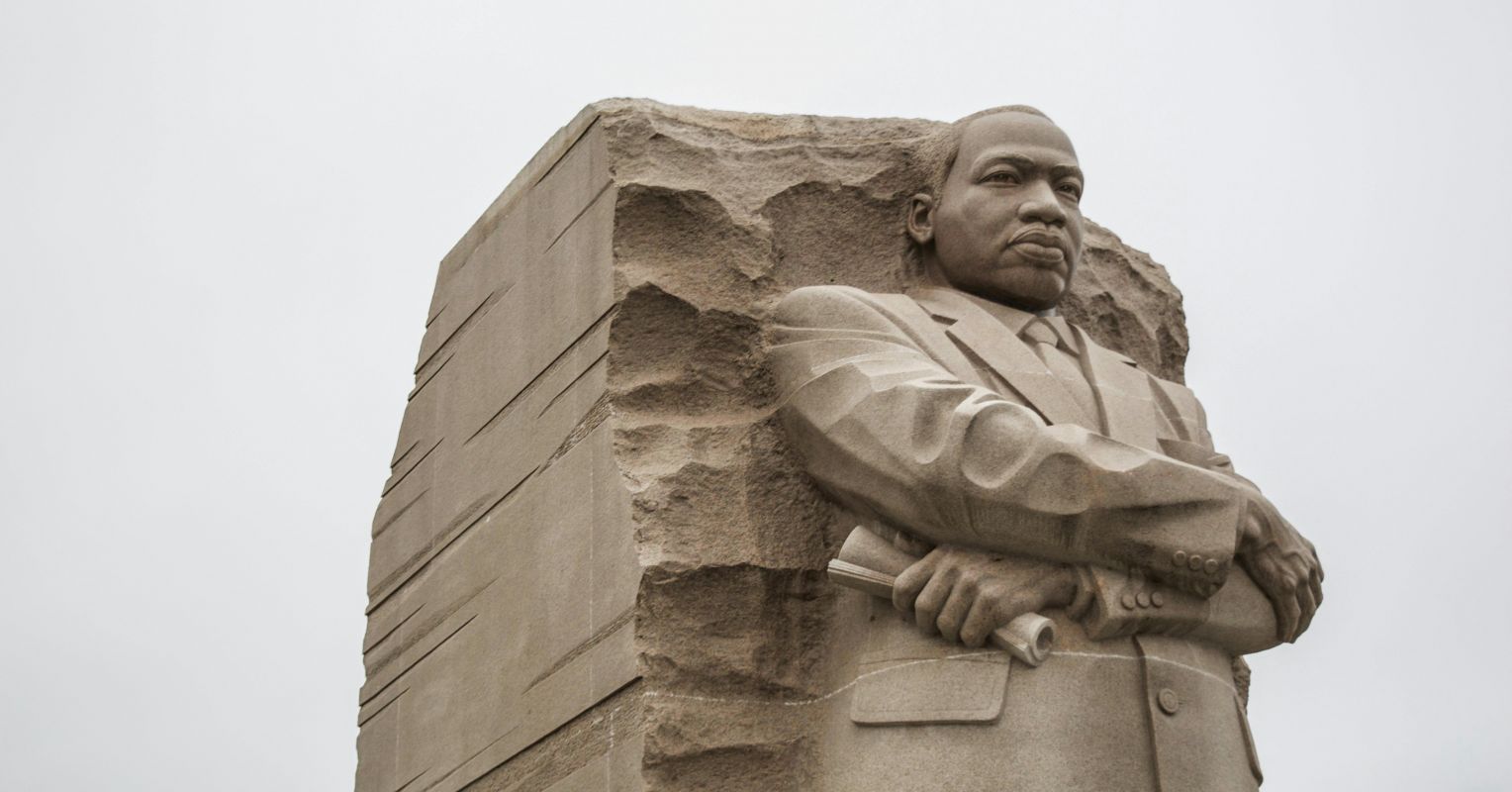
"In another, adapted from Theodore Parker, a 19th-century abolitionist preacher, Dr. King points to another aspect of his dream. King writes, "The arc of the moral universe is long, but it bends towards justice." The first quote points to individual behavior, the second toward social action. Dr. King didn't emphasize one approach over the other. For him, personal and social morality were of a piece. A good world is one that is both kind and just."
"All three assumptions have been contested. Psychological egoism dismisses altruism as an illusion, claiming that all that guides us is self-interest. Next, some prominent public figures, such as Elon Musk, describe empathy as a flaw to be overcome, as it undermines the hardness needed to advance civilization itself. And many psychologists and philosophers claim that we really can't choose at all, as free will doesn't"
Two contrasting pronouncements link individual virtue and collective progress: one envisions judgment by character rather than skin color; another asserts that the moral arc bends toward justice. Personal behavior and social action are complementary, and a good society requires both kindness and justice. A pointed moral question—"Life's most persistent and urgent question is, 'What are you doing for others?'"—assumes that empathy, compassion, and the capacity to act are part of human life. Those assumptions face objections from psychological egoism, critics who portray empathy as a liability, and thinkers who dispute the existence of free will.
Read at Psychology Today
Unable to calculate read time
Collection
[
|
...
]