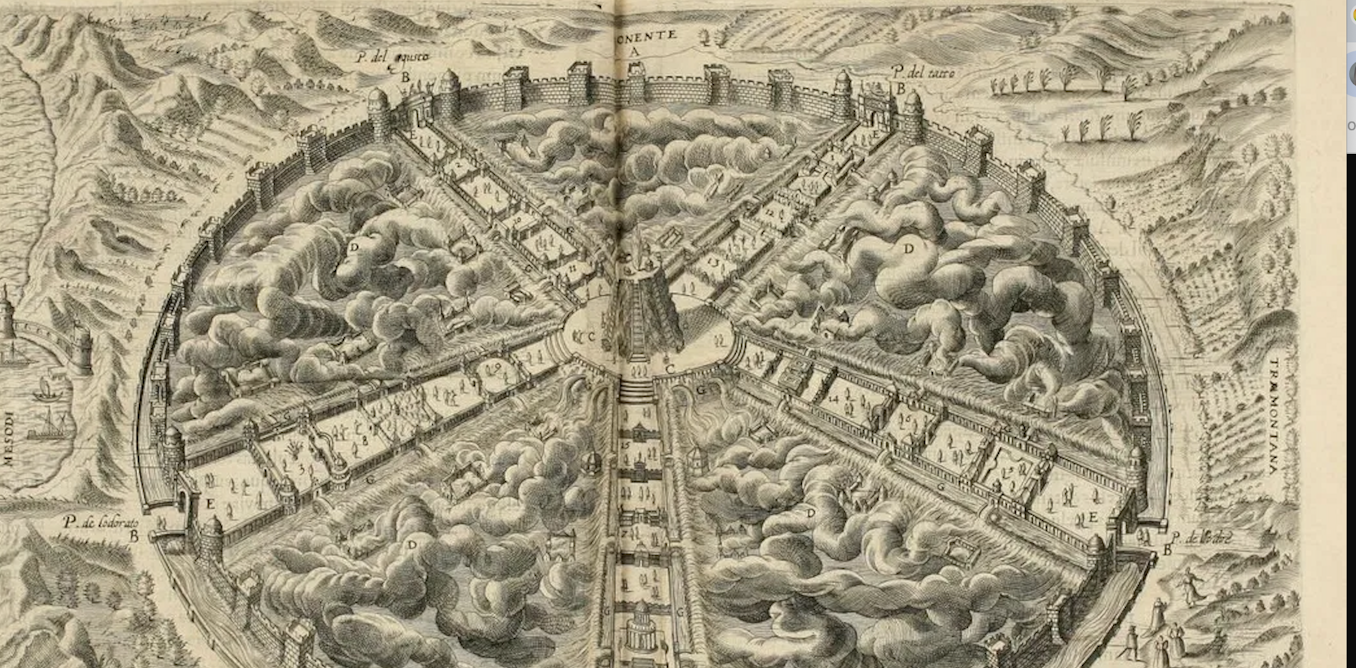
"The nervousness of democrats before this epistemic crisis is partly based on a widespread assumption that the idea of democracy depends on the value of truth. But even this assumption has a cost. Sadly, the democratic tendency to overemphasise the value of truth enters into conflict with other democratic demands. This leads us into contradictions that become fodder for the enemies of open societies."
"But do we really need truth to share a reality? In practice, most of our experiences of shared realities are not involved in truth. Think of myths, neighbourly feeling, or the sense of community, perhaps even religion and certainly the ultimate shared reality: culture itself. It would be hard to argue that we share in our community's cultural reality because our culture is true or because we believe it to be true."
A crisis of truth has eroded trust in public knowledge institutions and allowed blatant liars to gain political support. Democratic concern about this epistemic crisis rests on the belief that democracy depends on truth, yet prioritising truth can conflict with other democratic demands. Philosophical defenses link truth and democratic deliberation by insisting on validity claims and efforts to ensure truth in political speech. A related view ties facts to truth, trust, and a shared reality necessary for democratic life. Many everyday shared realities—myths, neighbourliness, religion, and culture—do not rely on truth in the same way.
Read at The Conversation
Unable to calculate read time
Collection
[
|
...
]