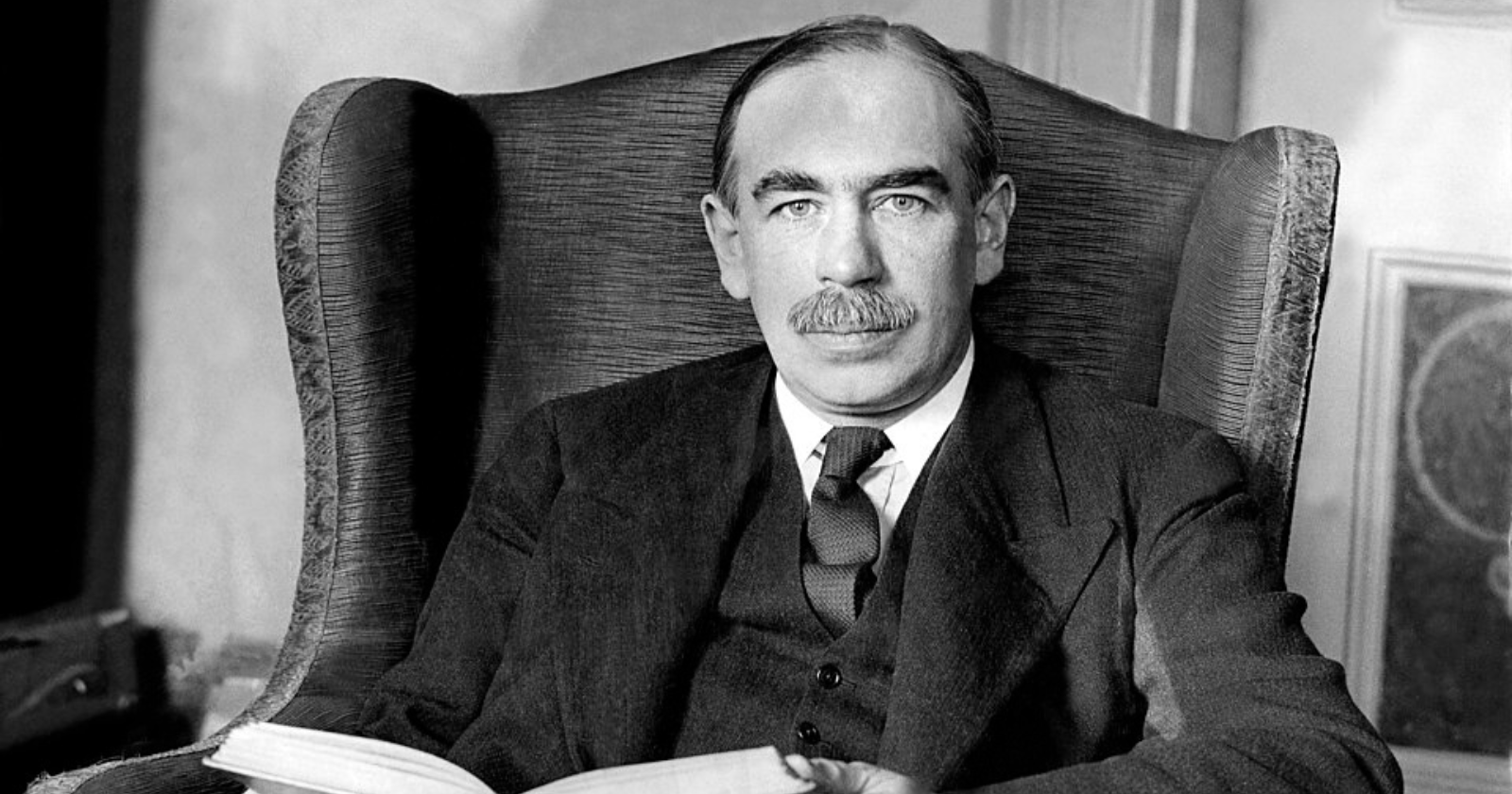
Keynes projected that technical efficiency and capital accumulation would raise living standards in advanced economies by 2030 to several times the 1930 level. He expected that once basic needs were met, people would rationally work less, potentially adopting very short workweeks. Wealth increased substantially, but work hours and leisure preferences did not shift as predicted. Productivity gains were converted into higher output, income, and consumption rather than time off. Expanded consumption turned additional items into new “basic needs,” including larger homes, newer cars, travel, and multiple subscriptions. Status-driven desires proved more persistent than expected, sustaining demand for more goods and higher social standing.
"In 1930, as British unemployment was climbing toward Depression-era levels, Keynes wrote a short essay called Economic Possibilities for our Grandchildren. He skipped the present and looked a hundred years out. His reasoning was simple. Technical efficiency was compounding. Capital was accumulating. By 2030, he argued, the standard of life in advanced economies would be four to eight times what it was in 1930. Once basic needs were comfortably met, the rational thing for people to do was work less."
"The U.S. Bureau of Labor Statistics, summarizing a recent reappraisal of the essay, puts the verdict cleanly: "He was right about the large increases in wealth that have occurred, but there has still been no shift in people's preferences towards increasing leisure and the 15-hour workweek." The wealth came. The fifteen-hour week did not."
"What perhaps Keynes did not anticipate was how good we would be at finding new things to want. Each productivity gain that could have been taken as time off was, instead, taken as more output, more income, more stuff to buy, more rungs to climb. Houses got bigger. Cars got newer. The basket of "basic needs" quietly expanded to include things that would have looked exotic if not completely alien to a working-class household in 1930 - a second car, an annual trip abroad, a streaming subscription for every interest."
"And the appetite for status - the part Keynes specifically worried about as a desire for superiority - turned out to be far more durable than he likely hoped. Though he did warn us: "Needs of the second class, those w"
#keynesian-economics #work-hours-and-leisure #productivity-and-consumption #economic-forecasting #consumer-status
Read at Silicon Canals
Unable to calculate read time
Collection
[
|
...
]