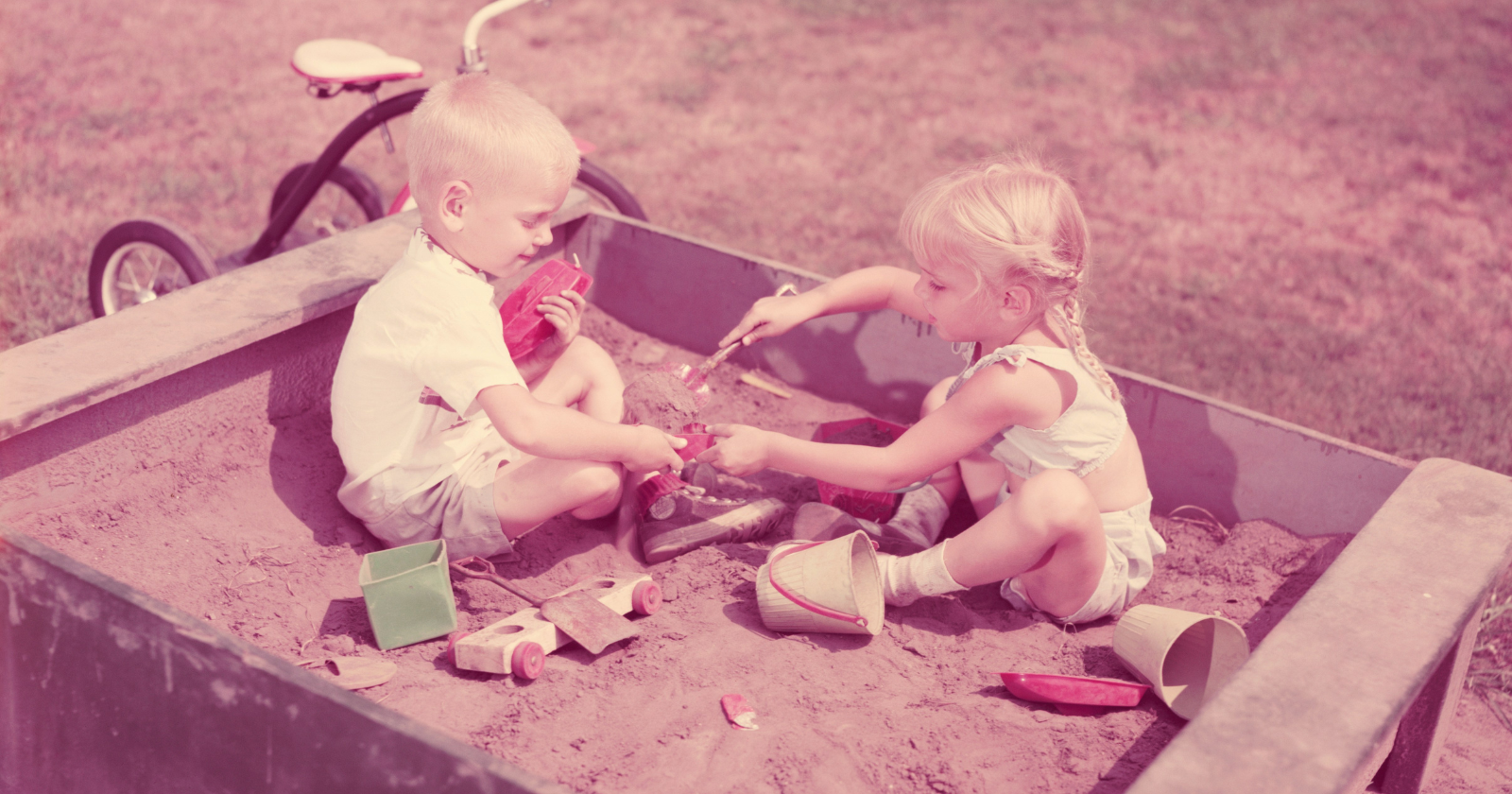
""Children used to have a great deal of freedom to walk to school, roam around their neighborhoods, invent games, get into conflicts and resolve those conflicts-independent of adults-beginning around first or second grade.""
""The 1960s and early 1970s were characterised by a sense of hope and optimism.""
""You handled your business, and if you couldn't, you figured out how to fake it.""
""Nobody was going to hand you anything. You want that better life, you have to earn it.""
The generation raised in the 60s and 70s was conditioned to be self-sufficient and to deflect praise. Children had significant freedom, learning to resolve conflicts independently. Parents often did not engage in their children's academic lives, reinforcing the idea of handling problems alone. Despite the challenges, this era was marked by hope and optimism, with significant cultural and social changes. However, individuals were expected to earn their successes without expecting help from others.
Read at Silicon Canals
Unable to calculate read time
Collection
[
|
...
]