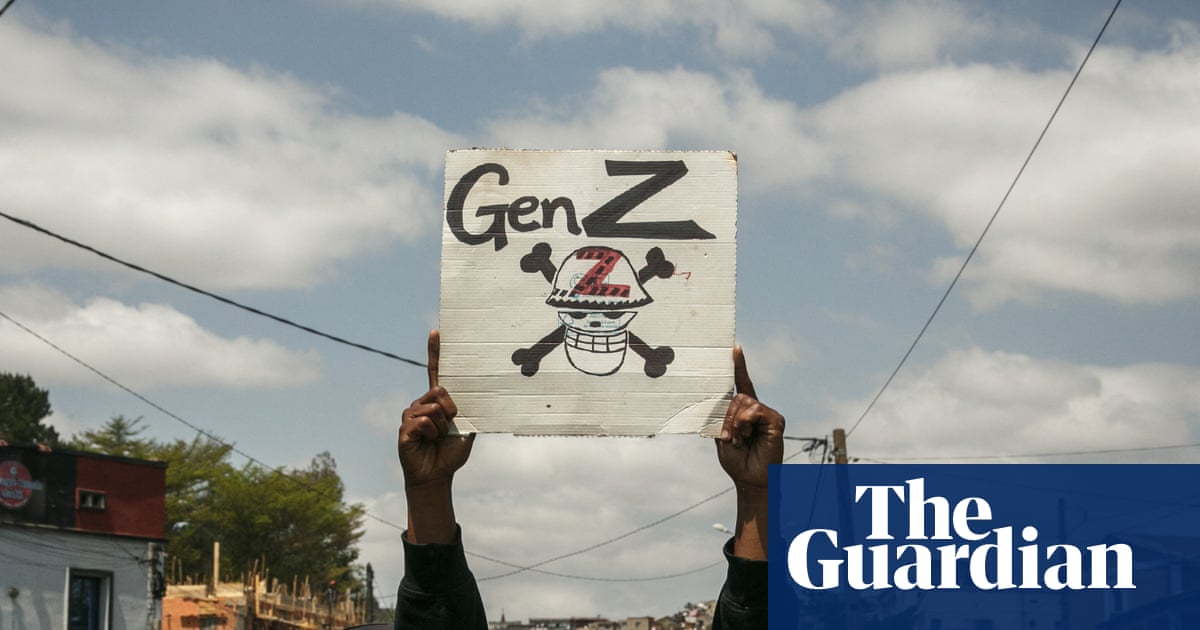
Gen Z-led mass protests in 2025 toppled governments in Nepal and Madagascar despite heavy police presence and arrest threats. The 2024 revolution in Bangladesh that unseated Sheikh Hasina inspired young people across parts of Asia and Africa. Young protesters from Sri Lanka to Timor-Leste shared a common drive rooted in climate uncertainty, social media connectivity, and anxiety about future prospects. Protests targeted corruption and autocratic rule in countries including Togo, Kenya, Morocco, Nepal, and Madagascar. Arrests, torture, and deaths in custody did not stop activists such as Bertin Bandiangou and Hanifa Adan Safia from continuing to demand change.
"Mass protests in Nepal and Madagascar toppled both governments this year, even when the young people at the forefront of the demonstrations were faced with heavily armed police and the threat of arrest. Many called 2025 the year of the protest although the revolution in Bangladesh in 2024 that unseated the authoritarian leader Sheikh Hasina is often credited with inspiring young people to take to the streets across parts of Asia and Africa."
"Defined as the demographic group born roughly between 1997 and 2012 into a world of climate uncertainty and social media, gen Z is often labelled generation anxiety; for many in the global south, the protests against corruption and autocratic governments were rooted in fears about their futures. The Guardian spoke to activists from Togo, Nepal, Madagascar, Kenya and Morocco. They all talked of being driven by a collective energy and a desire to let their governments and the wider world know that they want change."
"On 6 June, about a week after the arrest of a rapper known for music denouncing corruption, Togo's youth took to the streets demanding an end to corruption and repression under the rule of the president, Faure Gnassingbe. Bertin Bandiangou, a 25-year-old student, was among dozens arrested and tortured but continues to protest for change. About the same time, protests erupted in Kenya, reigniting a similar gen Z uprising last year over tax rises."
Read at www.theguardian.com
Unable to calculate read time
Collection
[
|
...
]