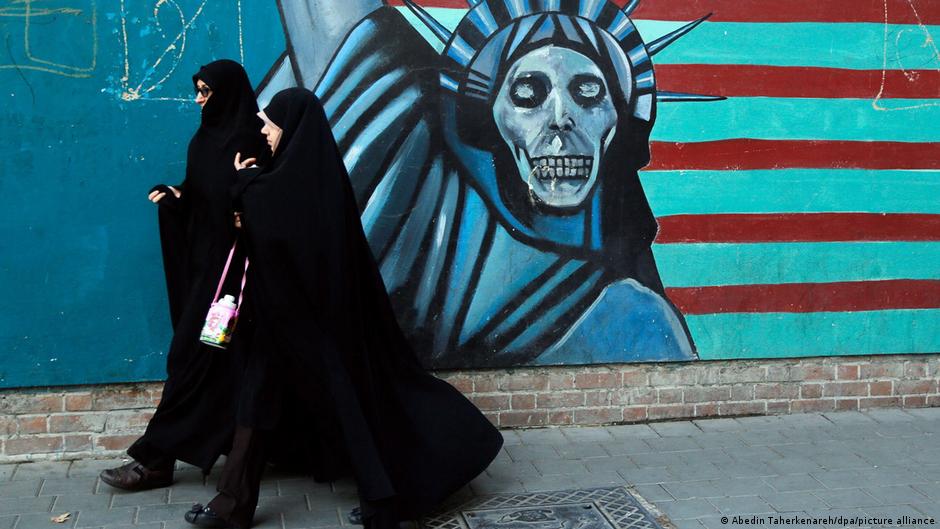
"The 1953 coup was a turning point, which the United States and Britain essentially engineered to overthrow Mossadegh and to reinstall the shah. The coup restored the shah's authority, but it also created a deep sense of injustice in Iranian society. Many Iranians saw it as foreign intervention against democracy."
"My parents' generation thought the problems the country had were because of the US intervention. They saw the shah as a puppet of the US. This sentiment became a driving force of the Islamic Revolution three decades later."
US-Iran relations evolved from Cold War alliance to deep antagonism through three transformative events. After World War II, the US supported Shah Mohammad Reza Pahlavi as a pro-Western ally against Soviet influence. When Prime Minister Mohammad Mossadegh nationalized Iran's oil industry in 1951, the CIA and MI6 orchestrated his overthrow in 1953, restoring the shah's authority. This intervention created lasting resentment among Iranians who viewed it as foreign interference against democracy. The shah's repressive rule intensified dissatisfaction, ultimately fueling the Islamic Revolution by the late 1970s. These historical grievances continue shaping policy, public opinion, and regional tensions.
Read at www.dw.com
Unable to calculate read time
Collection
[
|
...
]