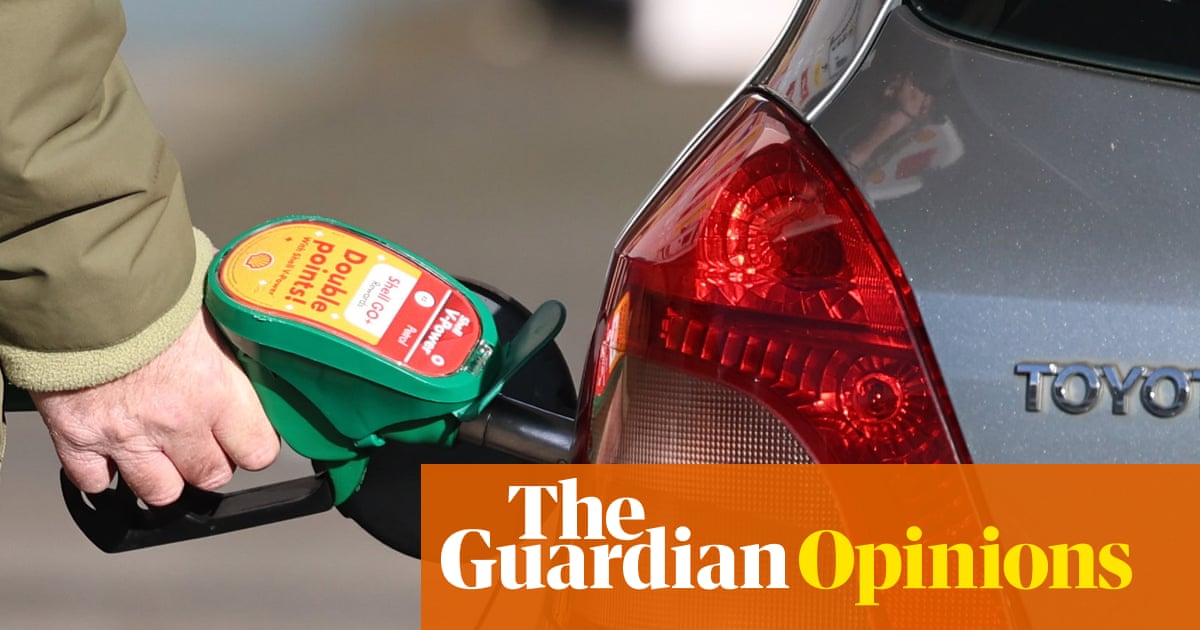
"Oil shocks are especially painful because of the commodity's wider uses, not least in fertiliser, and the knock-on effects for manufacturing and transport. And the poor are hit hardest. Recent research published by economists at the University of Massachusetts Amherst identified energy, along with food and agriculture, as among the commodities that have a disproportionate capacity to increase inequality when their prices rise."
"After the 2022 oil price surge in the US, 50% of the windfall benefit from higher prices in the sector went to the wealthiest 1% of individuals, via the stock market. The bottom 50% of people received only 1%. While everybody is bearing the inflation costs of an energy price crisis, which drove inflation in 2022, the very prices that are causing this inflation are also giving extraordinary profits to mostly a small minority of very affluent shareholders."
Military conflict in the Middle East, particularly Trump's Operation Epic Fury against Iran, has driven oil prices to $90 a barrel following the effective closure of the Strait of Hormuz and production cuts in Kuwait. Oil price shocks create widespread economic pain due to the commodity's essential role in fertilizer, manufacturing, and transport. Research demonstrates that energy price increases disproportionately harm lower-income populations while concentrating benefits among wealthy shareholders. Following the 2022 oil surge, the wealthiest 1% captured 50% of windfall profits through stock market gains, while the bottom 50% received only 1%. This pattern reflects broader inequality dynamics where inflation costs are broadly distributed across society while price-driven profits remain narrowly concentrated.
Read at www.theguardian.com
Unable to calculate read time
Collection
[
|
...
]