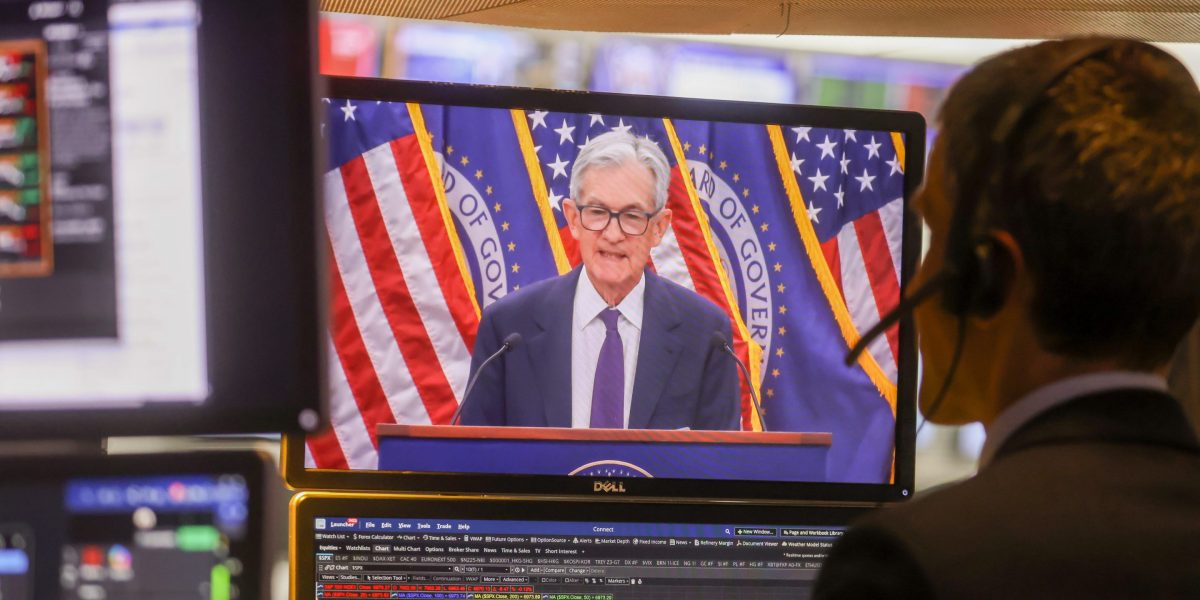
Middle East tensions pushed oil prices above $100 per barrel, triggering panic-buying and raising inflation concerns globally. Current U.S. inflation stands at 2.4%, exceeding the Federal Reserve's 2% target, with food and energy services significantly higher. Central banks prioritize price stability over rate reduction demands. Trump's assurances that the conflict is nearly resolved carry limited weight with monetary policymakers. Macquarie strategists predict hostilities will continue through month-end, allowing sufficient time for inflationary impacts to affect economic data and investor sentiment. Central banks will likely maintain hawkish stances until confident inflation pressures have genuinely subsided.
"Any upward pressure impacting the finances of households and businesses will work against calls for a lower base rate—an argument President Trump and his cabinet have been making for the past year. But Trump is likely to be disappointed."
"Macquarie strategists Thierry Wizman and Gareth Berry say that even if the war in Iran does quickly draw to a close, it will be months before central banks feel confident its inflationary impacts have subsided. If so, we can still expect hostilities will wind down, but around month-end, and not now."
"That's still enough time to cause psychic damage to investors, consumers, and adversely affect economic data for the April release cycle in May."
Read at Fortune
Unable to calculate read time
Collection
[
|
...
]