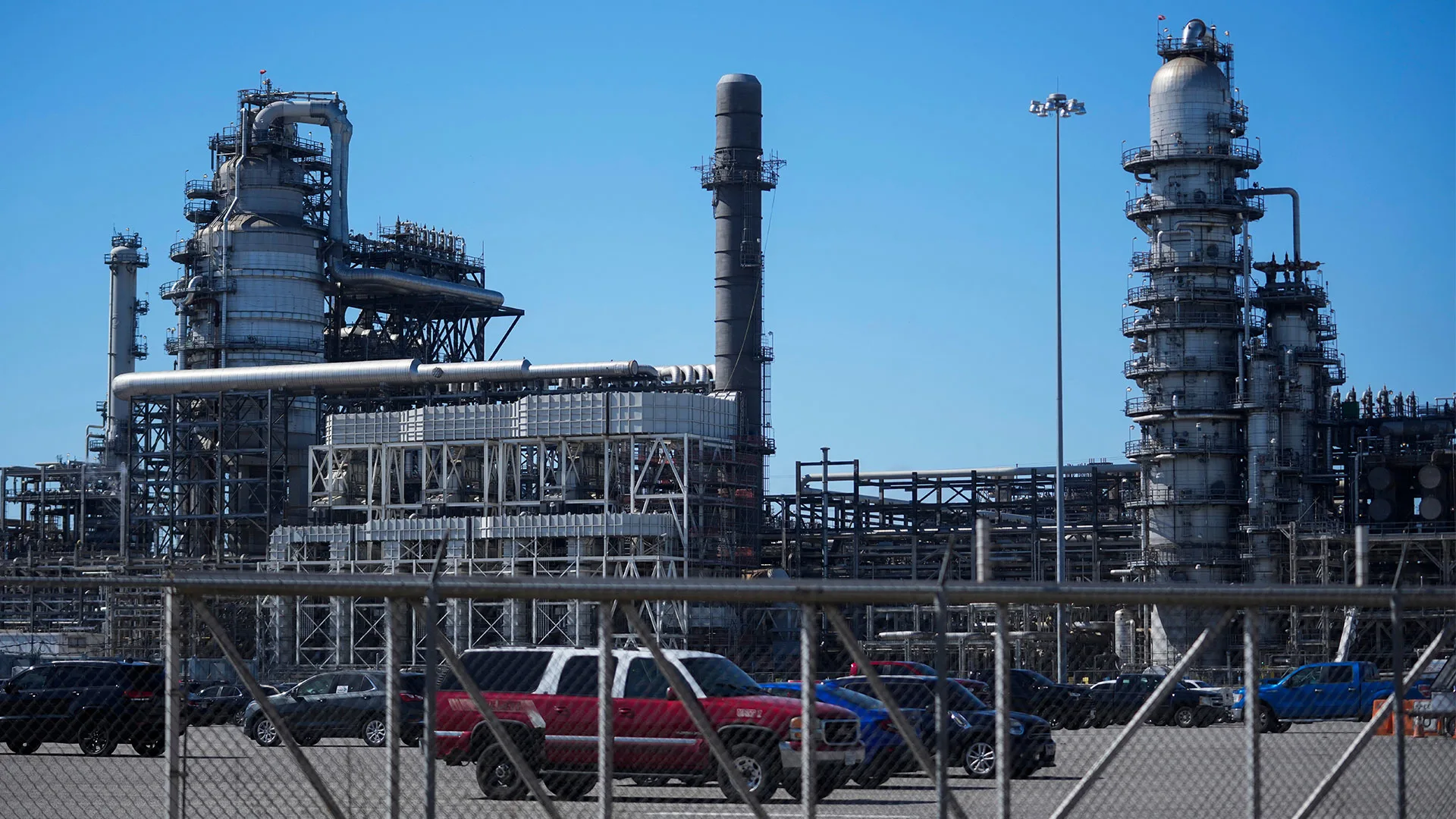
"Since war erupted in the Middle East on Feb. 28 with the U.S. and Israel's joint attacks on Iran, the flow of oil tankers through the Strait of Hormuz has all but stopped, cutting off a vital passageway where roughly one-fifth of the world's oil sails through on a typical day. Major producers in the region like Iraq, Kuwait and the United Arab Emirates have also cut production because they are running out of storage space."
"The International Energy Agency agreed on Wednesday to release the largest volume of emergency oil reserves in its history, with the Paris-based organization pledging to make 400 million barrels of oil available from its member nations' stockpiles. The announcement marked a shift in momentum in government response to the war upending the flow of oil, with other global leaders previously indicating reluctance to tap into stockpiles."
"That has sent prices soaring with dramatic swings almost every day. On Monday, Brent crude oil - the international standard - surged to as high as nearly $120 a barrel, before falling to under $90 after President Donald Trump suggested the war could be near an end. But attacks have continued to escalate since, pushing prices back to about $100 a barrel."
A widening conflict in Iran has disrupted global oil supplies by halting tanker traffic through the Strait of Hormuz, which normally carries one-fifth of the world's daily oil. Major regional producers including Iraq, Kuwait, and the UAE have reduced production due to storage constraints, while attacks on oil and gas facilities by Iran, Israel, and the U.S. have further strained supply. Oil prices have experienced dramatic volatility, fluctuating between $90 and $120 per barrel. In response, the International Energy Agency coordinated the release of 400 million barrels from member nations' strategic reserves, marking a significant shift in government policy and representing the largest emergency reserve deployment in the organization's history.
#oil-supply-crisis #middle-east-conflict #energy-prices #strategic-reserves #international-energy-agency
Read at Fast Company
Unable to calculate read time
Collection
[
|
...
]