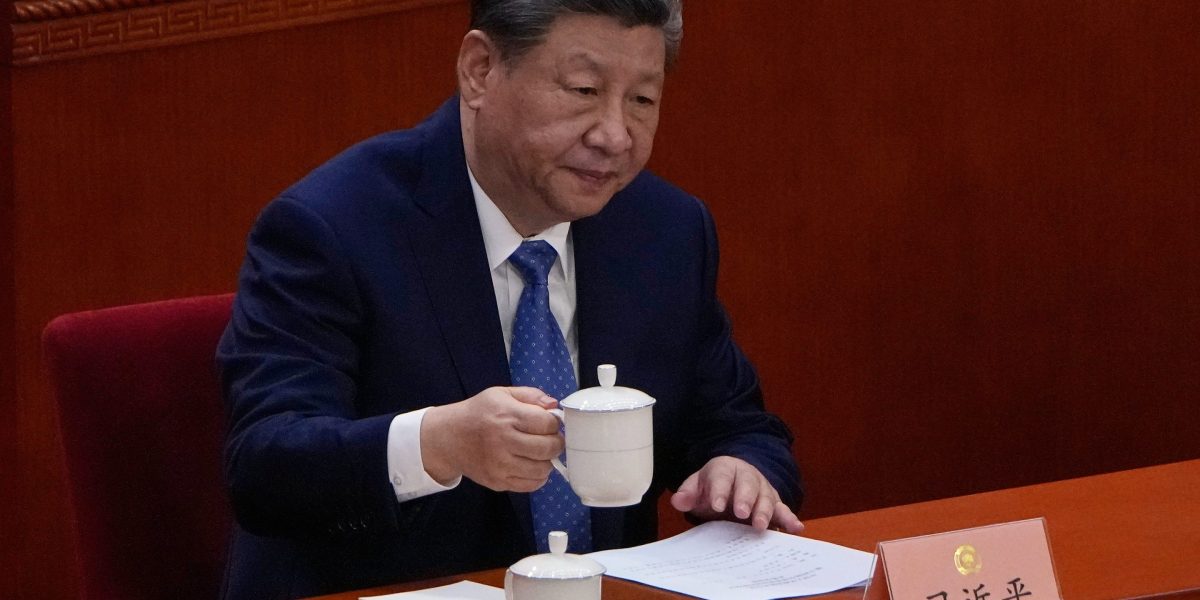
Three weeks into military operations against Iran, the Trump administration faces significant challenges as oil shipments through the Strait of Hormuz have halted and U.S. allies have declined to assist in securing the waterway. This situation has created strategic vulnerabilities, with China positioned to potentially benefit from the conflict. The postponement of Trump's planned summit with President Xi Jinping reflects the operation's unexpected consequences. China has avoided committing to help reopen the strait while calling for de-escalation. Analysts note that the military action, intended to demonstrate U.S. strength to Beijing, has instead revealed limitations in American unilateral capability and created dependency on China for crisis management.
"President Trump's request to delay his long-awaited summit with President Xi Jinping underscores how significantly he underestimated the fallout from Operation Epic Fury. A show of U.S. force that was meant to intimidate Beijing has instead served to puncture the illusion of U.S. omnipotence: Unable to reopen the Strait of Hormuz alone, Washington now needs its principal strategic competitor to help it manage a crisis of its own making."
"The Chinese Foreign Ministry gave a nonanswer when asked if it would help reopen the strait but repeated its call for parties to immediately stop military operations, avoid further escalation of the tense situation and prevent regional turmoil from further impacting the global economy."
"I think the Iran request is now going to be less pressing for China to fulfill. At the same time, Chinese diplomats have been engaging with countries in the Middle East."
#iran-military-conflict #us-china-relations #strait-of-hormuz #geopolitical-strategy #oil-supply-crisis
Read at Fortune
Unable to calculate read time
Collection
[
|
...
]