"That's not a coincidence. It's a deliberate strategy to move away from [imported oil] and electrify. In China, more than half of new car sales are now electric. In Nepal, it's more than 70%. As oil prices rise, residents with EVs are less vulnerable than if they had to rely on fuel."
"The widespread adoption of solar and batteries kind of serves as a hedge or a protection sort of against these price shocks that the fossil fuel markets are very vulnerable to globally. Once you've got your solar panel, there's no cost for the sun. But once you've got your gas fire power station, you have to pay every day for the gas that you burn in it."
"It's an energy security solution and it's a cost solution. With a stroke, this war has dramatically increased the power and the influence of those who [have invested in renewable energy]."
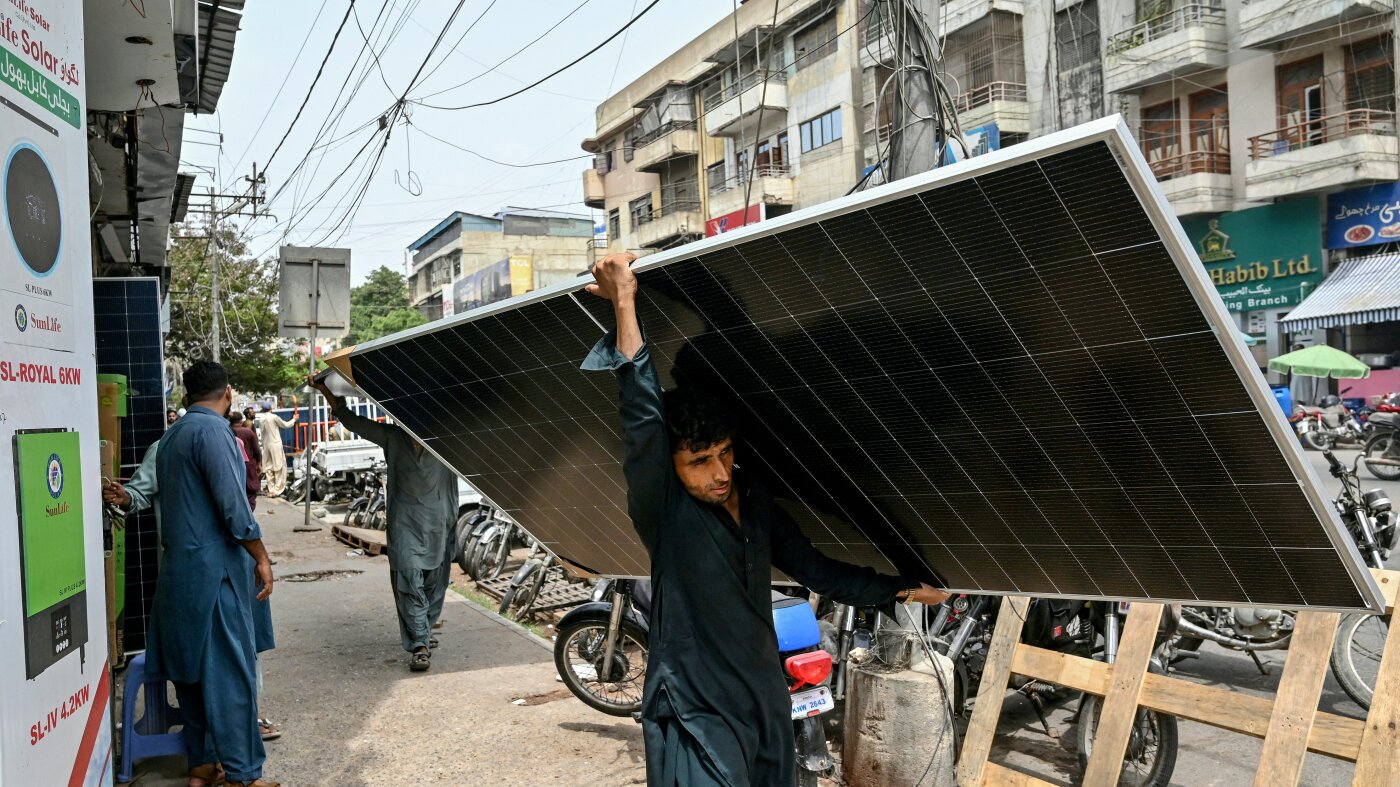
The U.S.-Israeli conflict with Iran has disrupted global energy supplies, closing the Strait of Hormuz and halting Qatar's LNG production. However, countries with significant renewable energy infrastructure, electric vehicles, and battery systems are better positioned to handle this crisis. China and Nepal lead in EV adoption, while Pakistan benefits from rapid solar expansion. Renewable energy provides dual advantages: energy security and cost protection against volatile fossil fuel markets. Countries investing in solar panels and batteries avoid ongoing fuel expenses, unlike those dependent on gas power stations. The crisis highlights strategic advantages for nations choosing renewable infrastructure over traditional fossil fuels, particularly for developing economies in Latin America and Africa.
#renewable-energy-resilience #energy-security #geopolitical-energy-crisis #electric-vehicles-adoption #fossil-fuel-alternatives
Read at www.npr.org
Unable to calculate read time
Collection
[
|
...
]