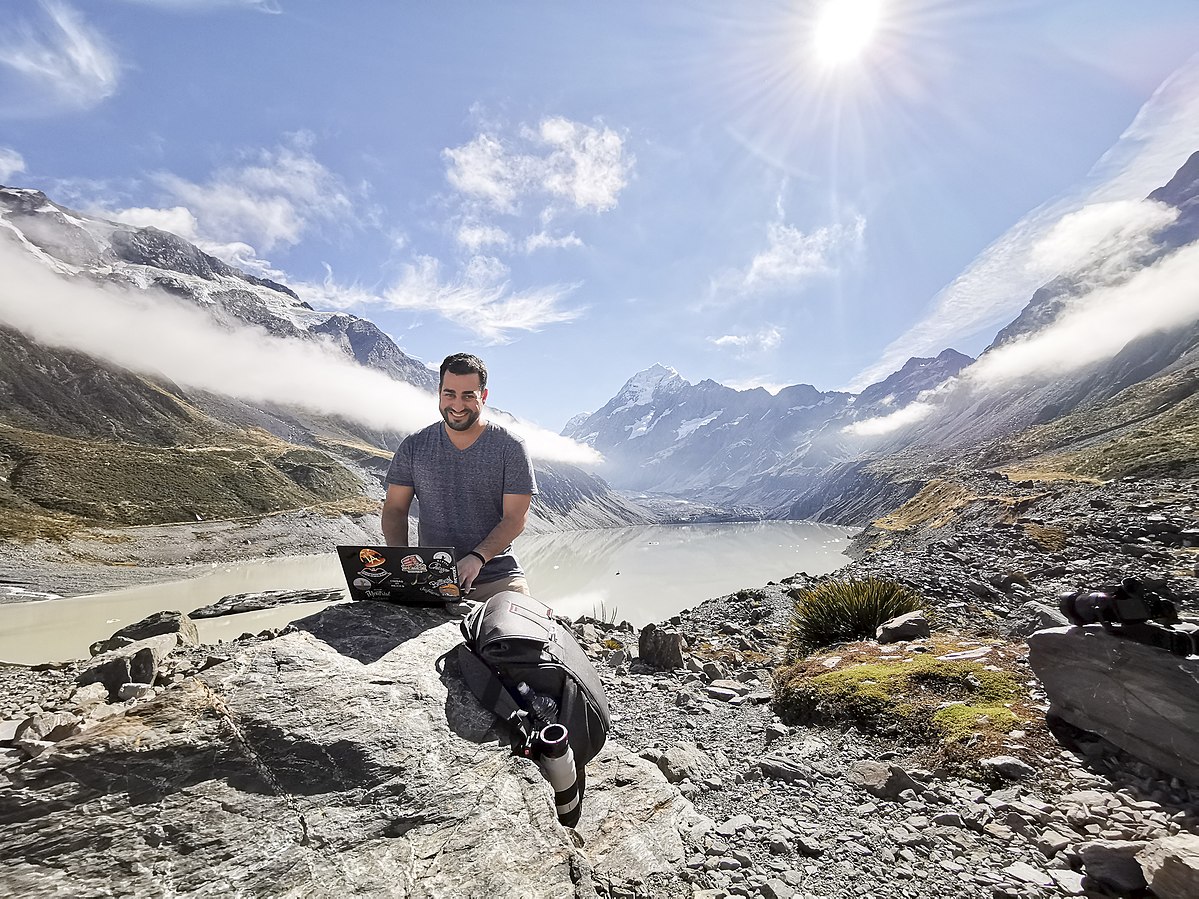
"Archaeological evidence shows that early humans, particularly hunter-gatherers, lived in small, mobile groups. These groups roamed vast landscapes in search of food and resources. Mobility was essential for survival, allowing early humans to adapt to changing environments. According to research from Our World in Data, a respected platform led by economist Max Roser, most of human history was spent in this nomadic state. This lifestyle fostered flexible social structures. Leadership was temporary, and decisions were made collectively."
"Like our hunter-gatherer ancestors, digital nomads are beginning to abandon allegiances to particular places. The identity of nomads is no longer as tightly connected to regions. As digital nomads cross borders with ease, national identities may erode. Increasingly, people identify with global communities rather than specific countries. This shift could alter the fabric of modern states, leading to new forms of identity and governance."
Early human societies were largely nomadic, with small mobile groups relying on roaming to find food and resources and adapting constantly to changing environments. Research from Our World in Data indicates most of human history was spent in this nomadic state. That lifestyle produced flexible social structures, temporary leadership, and collective decision-making, but also required continuous subsistence activity and limited leisure. The rise of remote work is reconnecting humanity with mobility, as digital nomads travel and cross borders easily. Growing allegiance to global communities rather than specific countries could erode national identities and reshape state structures and governance.
Read at GreekReporter.com
Unable to calculate read time
Collection
[
|
...
]