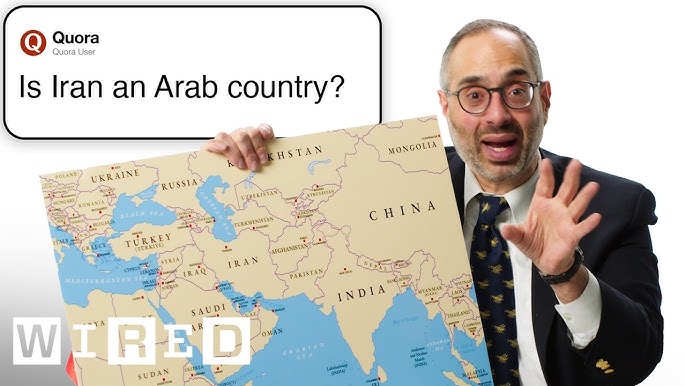
"Iran is a predominantly Persian country, distinct from its Arab neighbors, with a rich history that has shaped its unique identity and culture over centuries."
"The 1979 revolution transformed Iran into an Islamic republic, driven by a combination of political repression, economic hardships, and a strong resistance to Western influence."
"Unlike many Middle Eastern countries, Iran's modern borders were not established by colonial powers, making its historical context particularly unique in the region."
"The current protests in Iran, fueled by various socio-political issues, have seen the son of the last Shah rallying support, raising questions about the public's desire for a return to monarchy."
Iran is not an Arab country but predominantly Persian, with its own language and identity. The country became an Islamic republic after the 1979 revolution, influenced by political repression, economic tensions, and resistance to Western influence. Key questions include the liberalism of Iran before the revolution, the reasons behind the revolution, and the uniqueness of Iran's modern borders, which were not created by colonial powers. The current protests and the role of the last Shah's son raise questions about the desire for monarchy among Iranians.
Read at Open Culture
Unable to calculate read time
Collection
[
|
...
]