A firsthand account describes the immediate aftermath of an Israeli military strike, capturing the panic and uncertainty that gripped residents as schools called parents to collect children and metro carriages filled with anxious people seeking safety information. The narrative documents a pattern of Israeli military aggression against Iran occurring twice within a year, characterized by strikes on civilian targets including schools, hospitals, and police stations. The author observes a fundamental shift in military tactics, moving away from claims of precision targeting toward what appears to be indiscriminate destruction aimed at total demolition of urban areas. This escalation mirrors the prolonged devastation experienced by Beirut through years of periodic attacks, creating normalized cycles of violence that gradually erode civilian life, infrastructure, and national capacity for recovery. Tehran now faces similar circumstances as residents flee or shelter in homes amid ongoing explosions.
"The pretence that there is some level of precision in the strikes is gone. Instead, the attacks appear indiscriminate, with targets ranging from schools to hospitals, from police stations to urban amenities all hit with a level of might that seems aimed at demolition, total destruction, the flattening of the city."
"By that, I mean the slow normalisation of periodic attacks on a city by a capricious and violent state, until blasts and death become woven into the fabric of urban life. It is urban death by a thousand knives. It is the suffocation of imagination and the thwarting of any civil attempt at a better life."
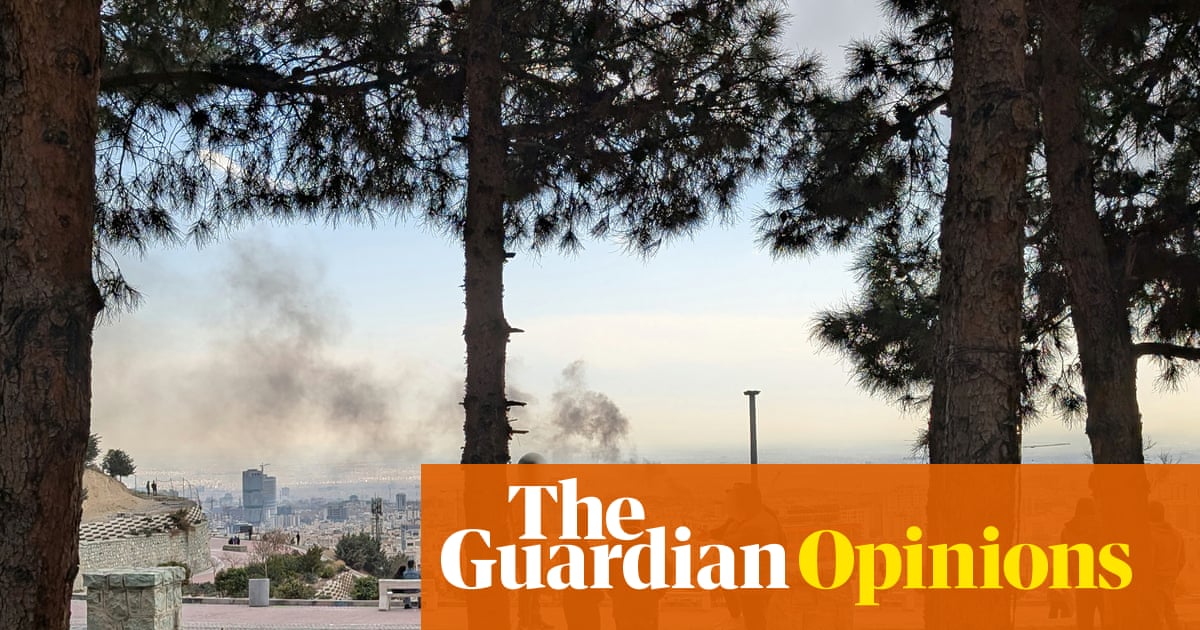
"A few days into the war, Tehran is emptying. Many residents are trapped within the four walls of their homes; others have fled the capital. Loud explosions and distant [sounds continue to mark the ongoing conflict]."
#israeli-military-strikes #civilian-casualties-and-infrastructure-damage #urban-warfare-and-displacement #iran-israel-conflict #normalization-of-violence
Read at www.theguardian.com
Unable to calculate read time
Collection
[
|
...
]